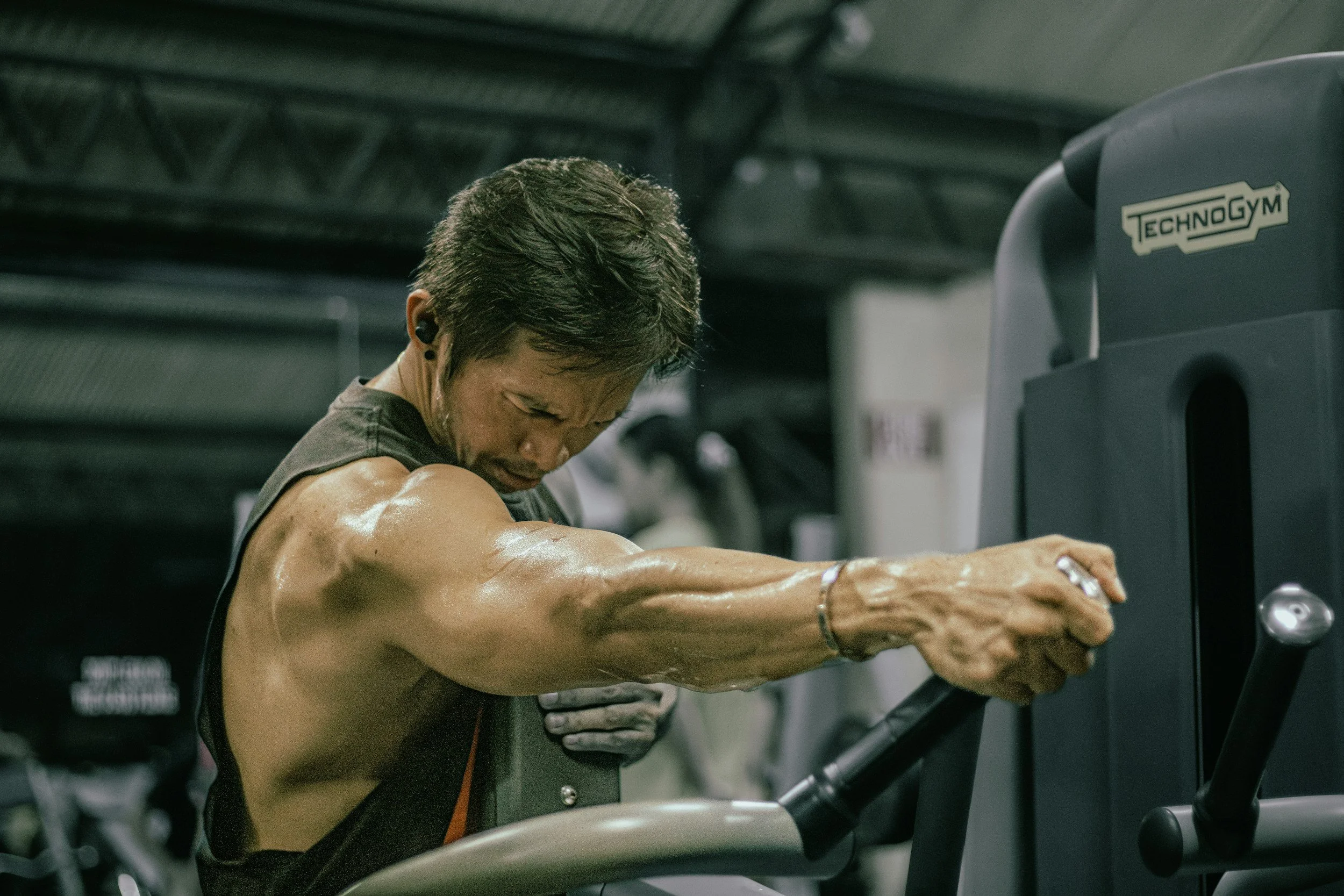
A Beginner's Guide to Gym Machines
Machines aren't the kiddie pool. Here's how to adjust one properly, the six worth knowing, and a complete beginner program built from them.

Walking for Beginners: Why It Counts as Real Exercise
The 10,000-step target was never based on research. Here's what walking actually does, how much you need, and why it beats most exercise on the thing that matters.
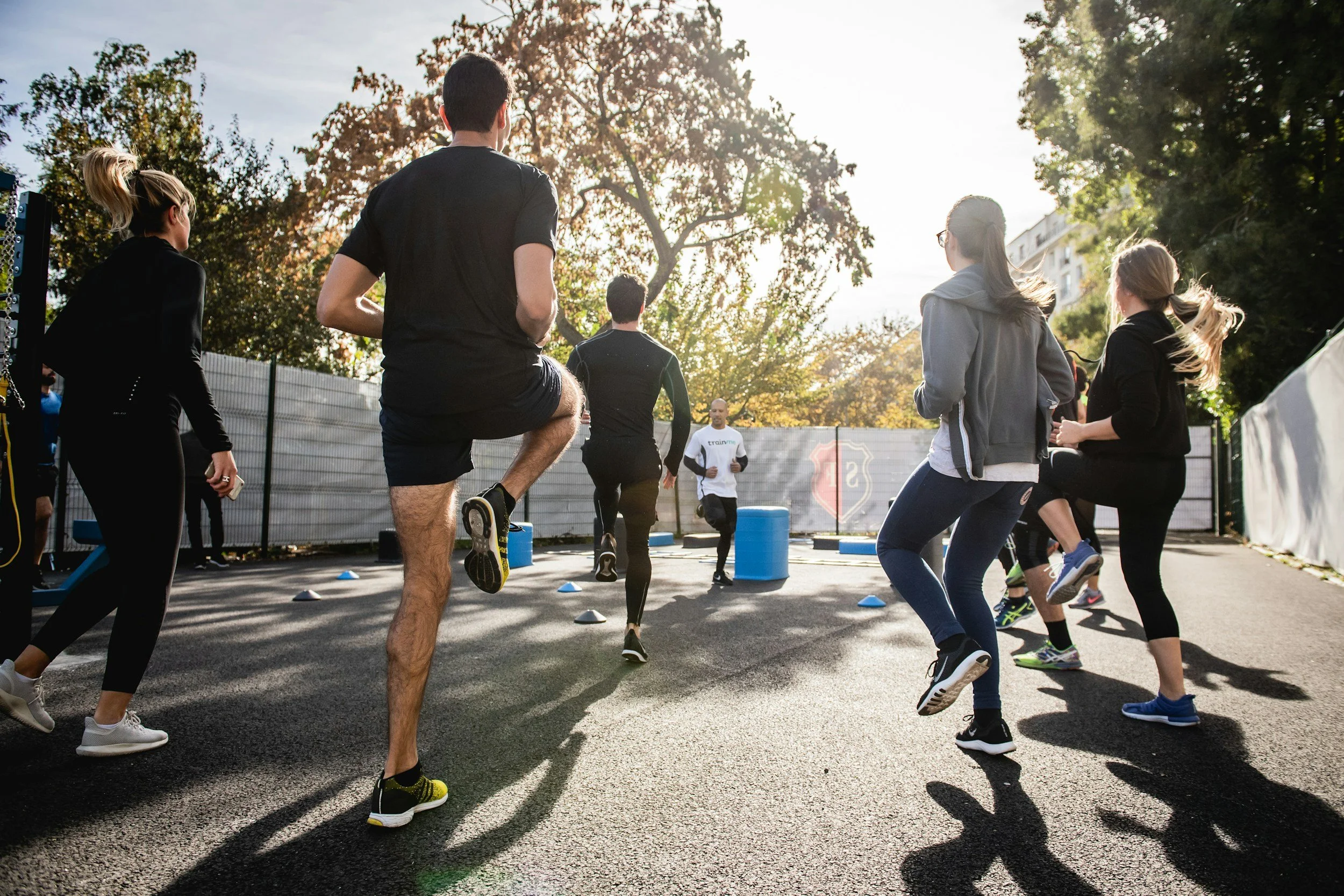
How to Stretch Properly
Stretching doesn't prevent soreness and probably doesn't prevent injury. Here's what it actually does, and how to do it so it works.

Should You Work Out in the Morning or at Night?
Late afternoon is when your body performs best, and it barely matters. Here's what the research actually shows about workout timing, and the question that should decide it.
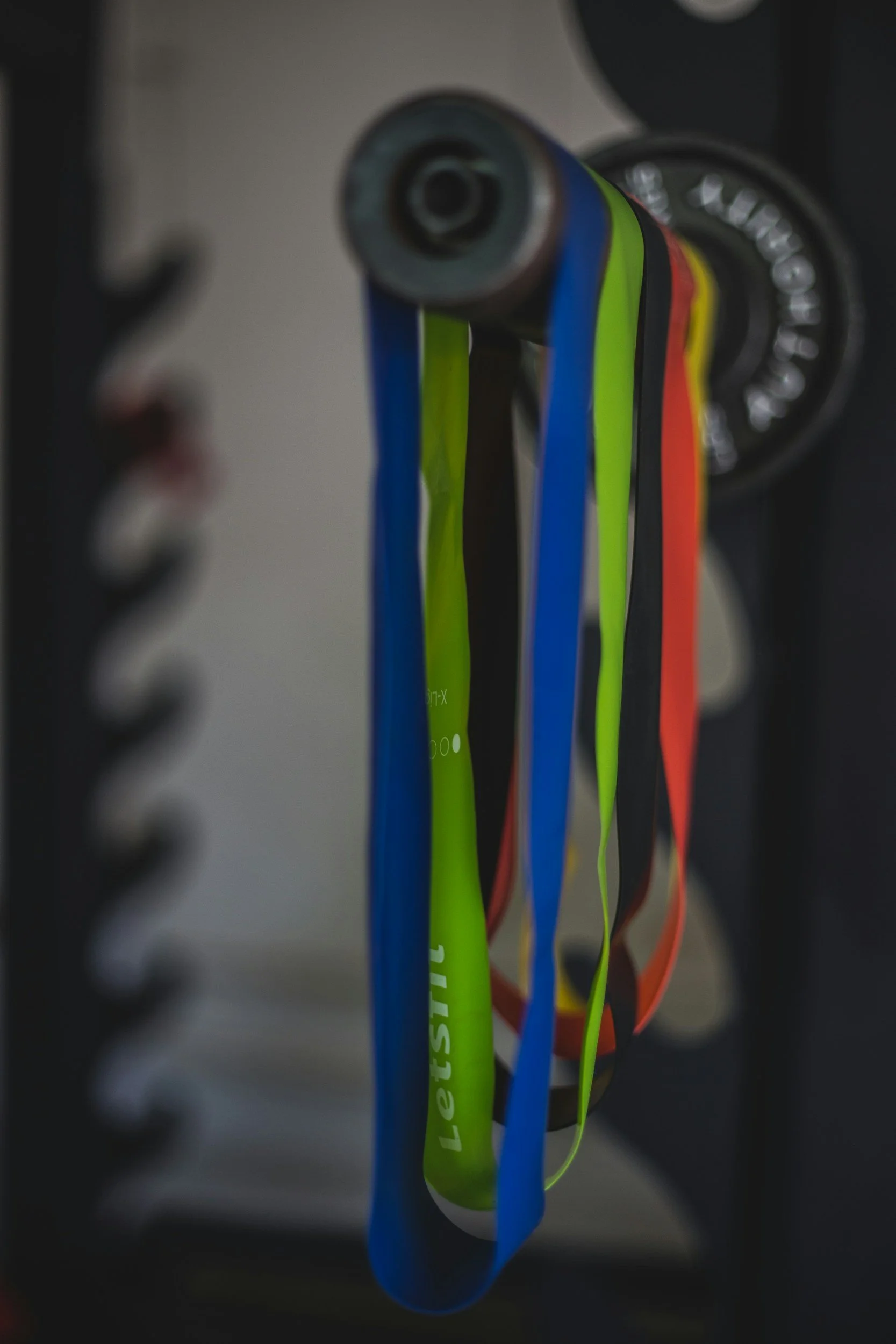
Resistance Bands for Beginners
Resistance bands aren't a lesser version of weights. Here's what to buy, the five exercises worth learning, and how to actually make them hard enough to work.
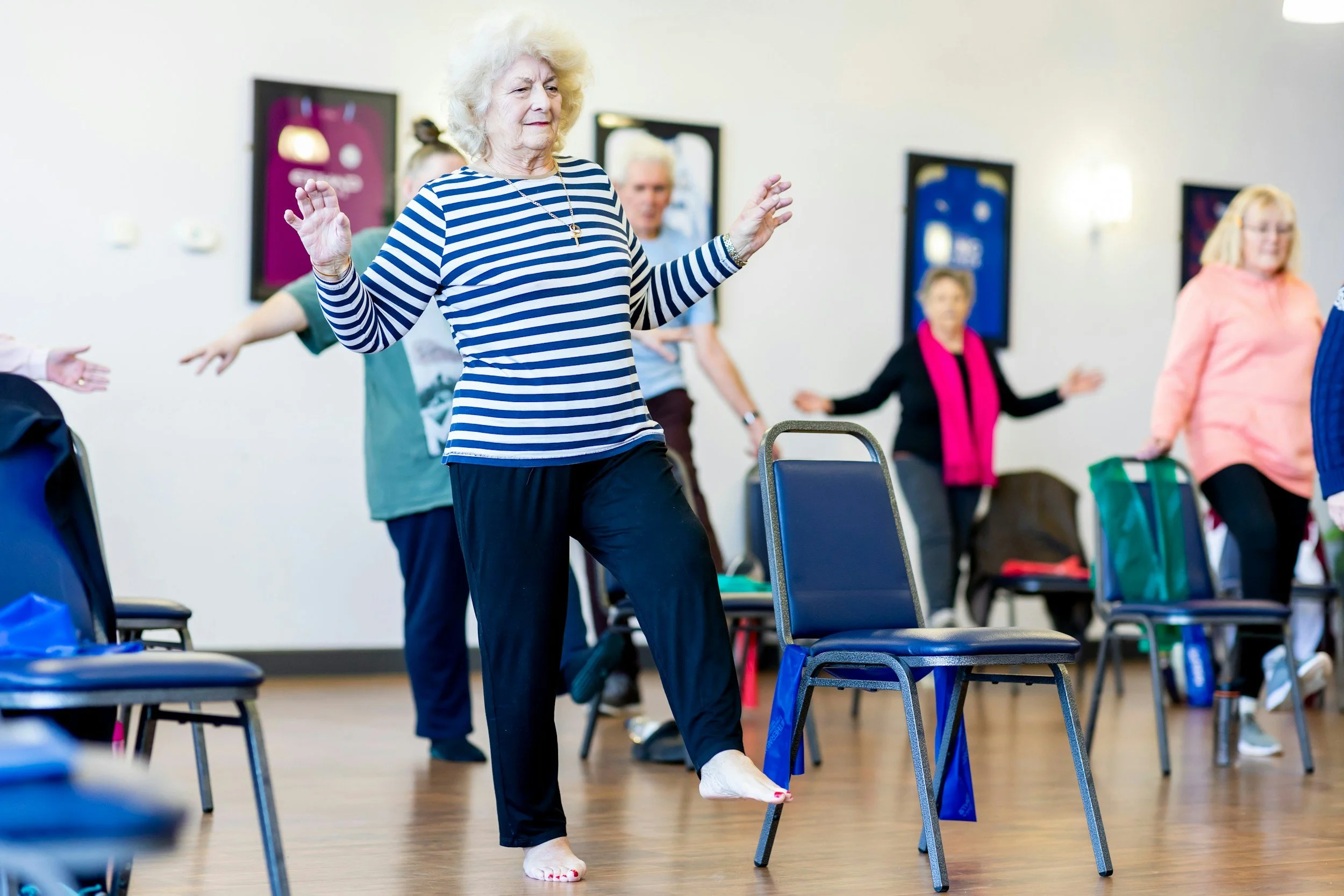
Starting Fitness Over 50: What Changes and What Doesn't
Starting fitness after 50 works and the research is clear. Here's what genuinely changes about training at this age, what doesn't, and where to begin.

How Long Does It Take To See Results?
Most fitness results happen before anything is visible. Here's a realistic timeline for strength, mood, and appearance, and why the mirror is the last place to look.

Should You Work Out When You're Sick?
The neck check is a decent rule with real gaps. Here's what the evidence says about training with a cold, when to stop entirely, and why a few days off costs you nothing.

What Warm-Ups and Cool-Downs Actually Do
The warm-up is worth more than you think. The cool-down is worth doing for reasons not commonly shared. Here's what the evidence actually supports for each.

What Should I Eat Before and After a Workout?
The anabolic window is mostly a myth. Here's what actually matters about eating before and after a workout, and what you can safely ignore.

Home Workouts vs. Gym Workouts: How to Know Which Is Right for You
The gym is better on paper. That's not the real question. Here's how to figure out whether home or gym training is the one you'll actually stick with.

How to Start Working Out Again After a Major Injury
Cleared to exercise after a major injury but can't make yourself start? The hardest part of coming back is psychological. Here's how to rebuild trust in your body.

Strength Training vs. Cardio vs. Flexibility: What Each Does and Why You Need All Three
Complete fitness requires strength, cardio, and flexibility. Strength makes you capable. Cardio improves heart health. Flexibility improves movement and prevents injury. Focusing on all three provides a balanced routine.

Building Your First Workout Routine: A Simple, Sustainable Framework
A good beginner routine is simple, sustainable, and progressive. Structure matters because it removes decision-making and builds consistency. Choose a frequency (3 days per week is ideal) and routine type (full body or upper/lower). Consistency beats intensity for beginners.

Understanding Plateaus: Why Progress Stalls and How to Break Through
Plateaus are normal. They happen because your body adapted to your training. They're evidence of progress, not failure. To break through: increase volume, change exercises, adjust intensity or frequency, improve form, or measure progress differently.

What Actually Happens During Recovery: Why Rest Days Matter as Much as Workouts
Recovery is when your body adapts to training. It's done through active biological processes: muscle repair, nervous system adaptation, and energy replenishment. Rest days aren't laziness. They're essential for adaptation, injury prevention, and avoiding burnout. Train hard, then recover hard. Sleep 7-9 hours, eat adequate protein, do light movement on rest days, listen to your body. Take 1-2 complete rest days weekly. Your progress happens during recovery, not during the workout. Both matter equally.

The Difference Between Soreness and Injury: When to Push Through and When to Stop
Soreness and injury are different. Soreness appears 24-48 hours after exercise, is a dull generalized ache, improves with movement, and doesn't limit daily activities. Injury appears during exercise, is sharp and localized, gets worse with movement, and limits daily activities.

Should I Work With a Personal Trainer?
Personal training is a tool, not a requirement. It's valuable if you're new to fitness, have injuries, need accountability, or want to eliminate uncertainty. But you can build fitness without a trainer through self-learning, online programs, apps, or community support. Consider a trainer if you're brand new and overwhelmed, have specific injuries, genuinely need external accountability, can afford it, and will use it. You don't need one if you're self-motivated, can research independently, or have budget constraints. Either way, consistency matters more than having a trainer. Choose the approach that fits your life and budget.

How Am I Supposed to Workout When I Don't Have the Time?
You don't have time because time is finite and you have real obligations. But you probably have some time, maybe 15-20 minutes. The question is whether fitness is worth prioritizing. If it is: small workouts count, stack fitness onto existing time, lower expectations, accept imperfection. A 15-minute walk or home workout is real. You're not failing because you're busy. You're busy. Work with the time you actually have, not the time you wish you had. That's what actually works.

Writing Out the Unwritten Rules of the Gym
Gyms have unwritten rules about equipment use, hygiene, noise, personal space, and behavior. These are cultural norms making shared space functional. Knowing them reduces anxiety caused by uncertainty. Core rules: don't hog equipment, wipe it down, lower weights with control, don't interrupt mid-set, respect personal space, follow locker room courtesy, and ask staff if unsure. Most people aren't judging you. Knowing the rules helps you feel like you belong, rather than doing something wrong.