How Heavy Is “Too Heavy” for Beginners?
Standing in front of the weights for the first time can feel oddly stressful. You don’t want to grab something that’s obviously too light, but you also don’t want to pick something up and immediately regret it, especially when putting it back feels like a big “walk of shame” moment.
Most beginners worry they’re either doing too little or making themselves look inexperienced.
Here’s the truth: everyone guesses at first. And guessing wrong is part of learning.
Why Beginners Worry So Much About Weight
For a lot of people, weight feels like a testament of capability. Heavier must mean better, right? Right?
That pressure, whether internal or imagined, leads many beginners to lift more than they’re ready for. Not because it feels good, but because they don’t want to feel out of place.
The problem is, lifting too heavy too soon doesn’t build confidence. It usually creates tension, frustration, or soreness that makes coming back harder. Let alone an injury that could prolong making it into the gym when finding the motivation to go already feels too hard.
What “Too Heavy” Really Feels Like
A weight is probably too heavy if:
You feel rushed just trying to finish the set
Your body starts compensating instead of moving smoothly
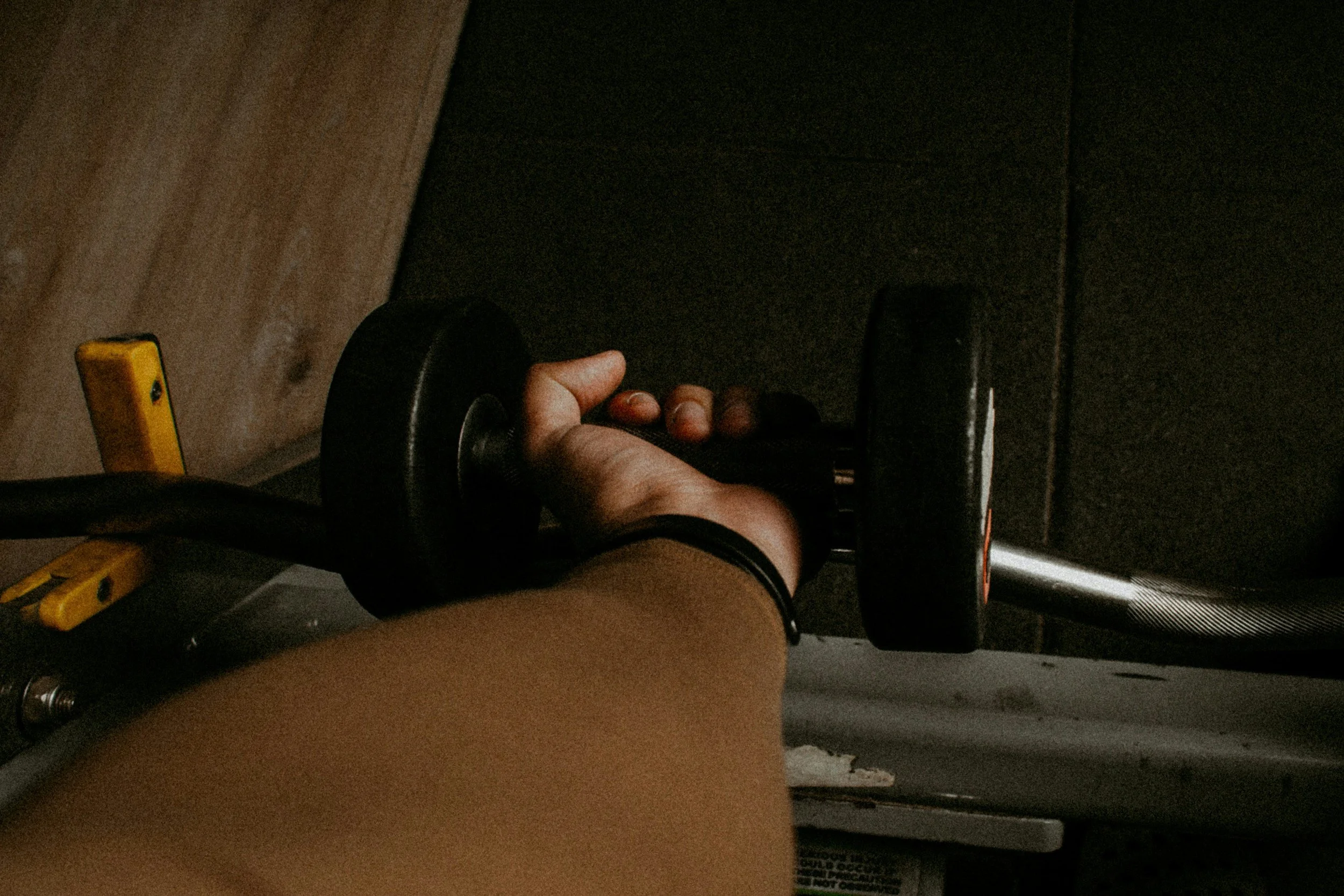
You’re gripping the weight as if it might escape
You can’t focus on the movement itself
If the weight takes over the exercise, it’s doing too much of the work for you.
A Beginner-Friendly Way to Choose Weight
Instead of asking “Is this heavy enough?” ask:
“Can I move this with control the entire time?”
A good beginner weight lets you:
Start the set confidently
Slow down when you need to
Finish without feeling scrambled
Challenge should show up gradually, not all at once.
Why Lighter Weights Matter More Than You Think
Lighter weights aren’t a placeholder. They teach your body how to move.
They help you:
Learn the rhythm of an exercise
Build stability before strength
Notice which muscles are actually working
Feel safer trying something new
That foundation makes heavier weights feel less intimidating later on. It also sets you up for success when it comes to properly performing the movement.
Using Reps as a Reality Check
If you’re aiming for a general range like 8–12 reps:
The first few reps should feel steady
The middle should require focus
The last few should feel challenging but controlled
If you’re struggling halfway through or counting down in panic, that’s a sign the weight might be more than you need right now.
Picking the “Wrong” Weight Is Normal
Everyone does it. You grab something, start your set, and realize it’s not the right fit.
Set it down. Adjust. Move on.
That’s not failure. It’s feedback. Strength training is built on trial and error, especially at the beginning. If you feel ashamed, try to remember that the person next to you has no idea how long you were lifting or how much you were lifting.
Why “Too Heavy” Changes Over Time
What feels heavy today won’t always feel heavy. As your body adapts, your confidence grows and your capacity increases.
Progress comes from showing up consistently and not from forcing weight jumps before you’re ready.
Building Confidence Instead of Proving Something
One of the most underrated beginner skills is knowing when to start lighter.
Confidence grows when you:
Feel in control of your movements
Finish sets feeling capable instead of defeated
Trust that you’re allowed to learn as you go
There’s no rush. No one is keeping score. In fact, working on your confidence with small weights can actually train more than muscles and serve you well over time as you consistently return to the gym.
The Bottom Line
For beginners, “too heavy” is anything that takes away your control, focus, or comfort.
The right weight is the one that lets you move well, learn the exercise, and leave feeling capable enough to come back. Start lighter. Build steadily. Strength will follow. Ego will not.
