What Muscles Different Exercises Work (A Beginner-Friendly Guide)
If you’ve ever looked around the gym and thought, “Everyone else seems to know what they’re doing except me,” you’re not alone.
One of the most confusing parts of starting out isn’t how much you are lifting, it’s not knowing what an exercise is actually working or why people choose one movement over another. Squats, rows, presses… it can feel like another language.
This guide is here to simplify things. No anatomy quizzes. No muscle charts you have to memorize. Just clear explanations so you can move with a little more confidence.
Why Understanding Muscles Makes the Gym Feel Less Intimidating
You don’t need deep fitness knowledge to get results. But having a basic sense of what you’re working on helps you feel more grounded instead of guessing.
Knowing this can help you:
Feel intentional instead of awkward
Avoid repeating the same movements every workout
Understand soreness and progress better
Walk into the gym with less uncertainty
Think of this as orientation rather than homework.
Lower Body Movements (Legs & Glutes)
Squats
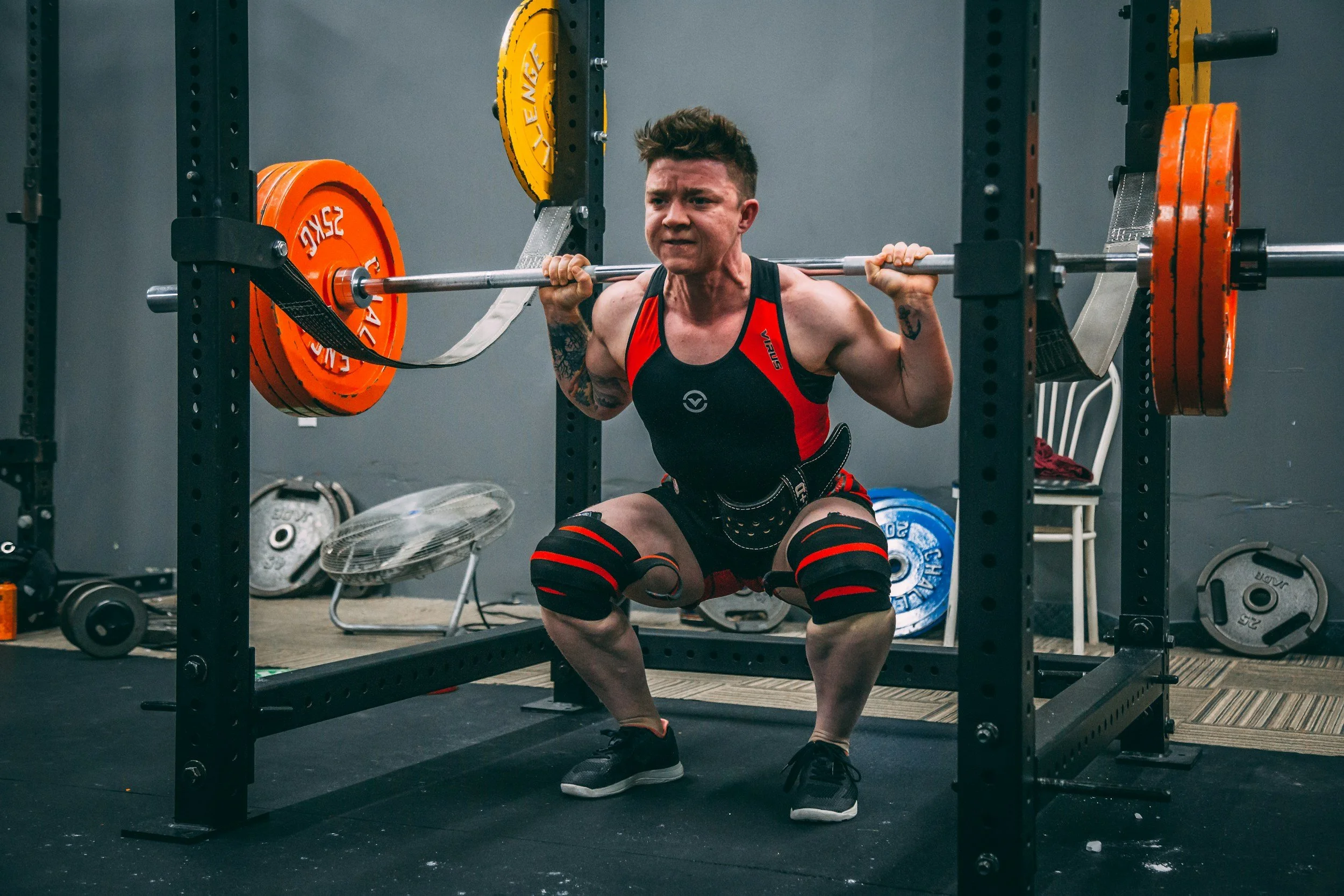
Squats involve bending and standing using your legs and hips.
They mainly challenge:
The front of your thighs
Your glutes
The back of your legs
Your core, which keeps you upright
You can sometimes hear variations: bodyweight, goblet, barbell. If you’re standing up from a seated position under control, you’re doing the work and that works the above.
Lunges
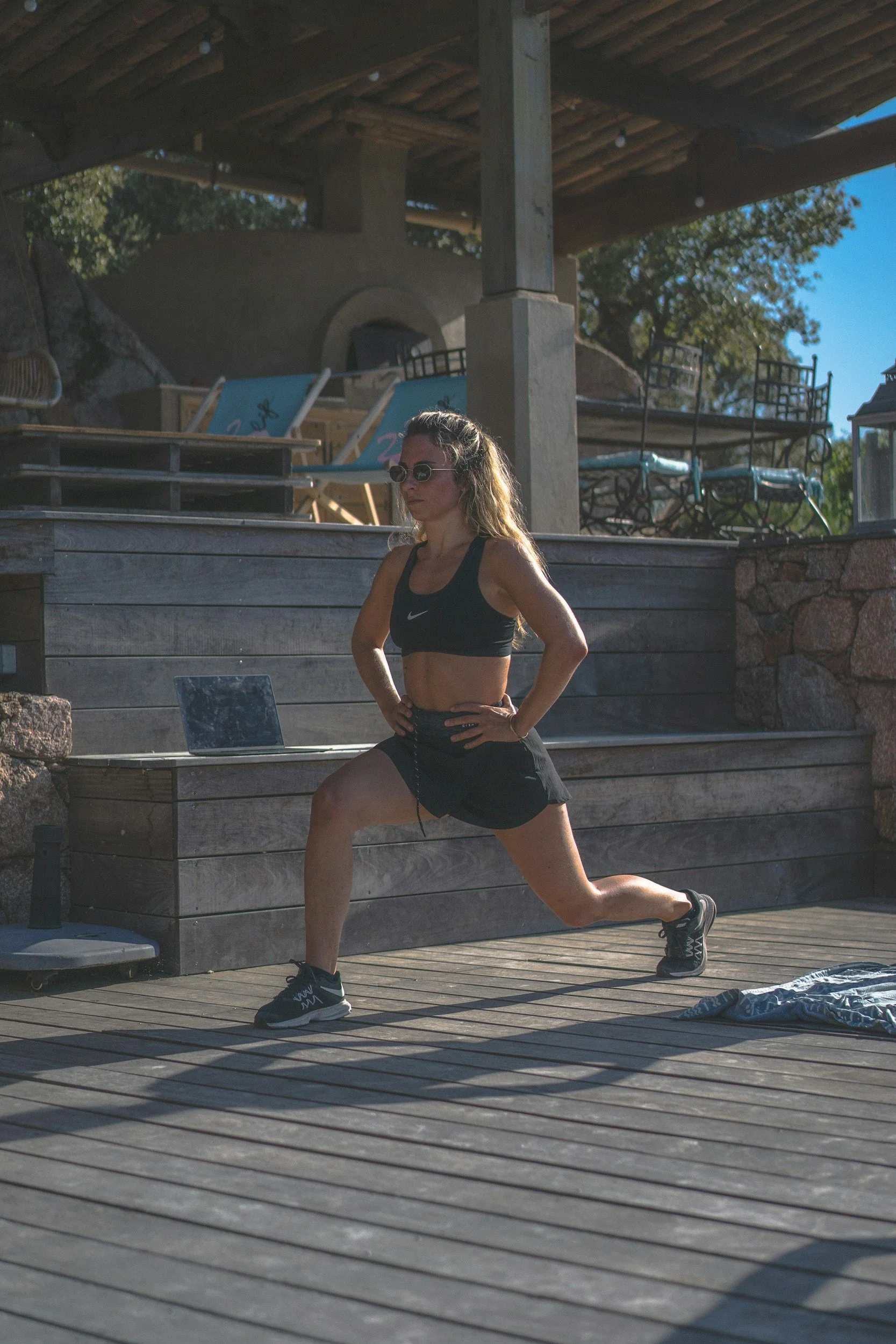
Lunges work one leg at a time, which is why they feel harder than they look.
They train:
Glutes
Quads
Hamstrings
Hip and balance muscles
If you feel unsteady, that’s your body learning. Lunges can feel awkward for anyone at first.
Leg Press
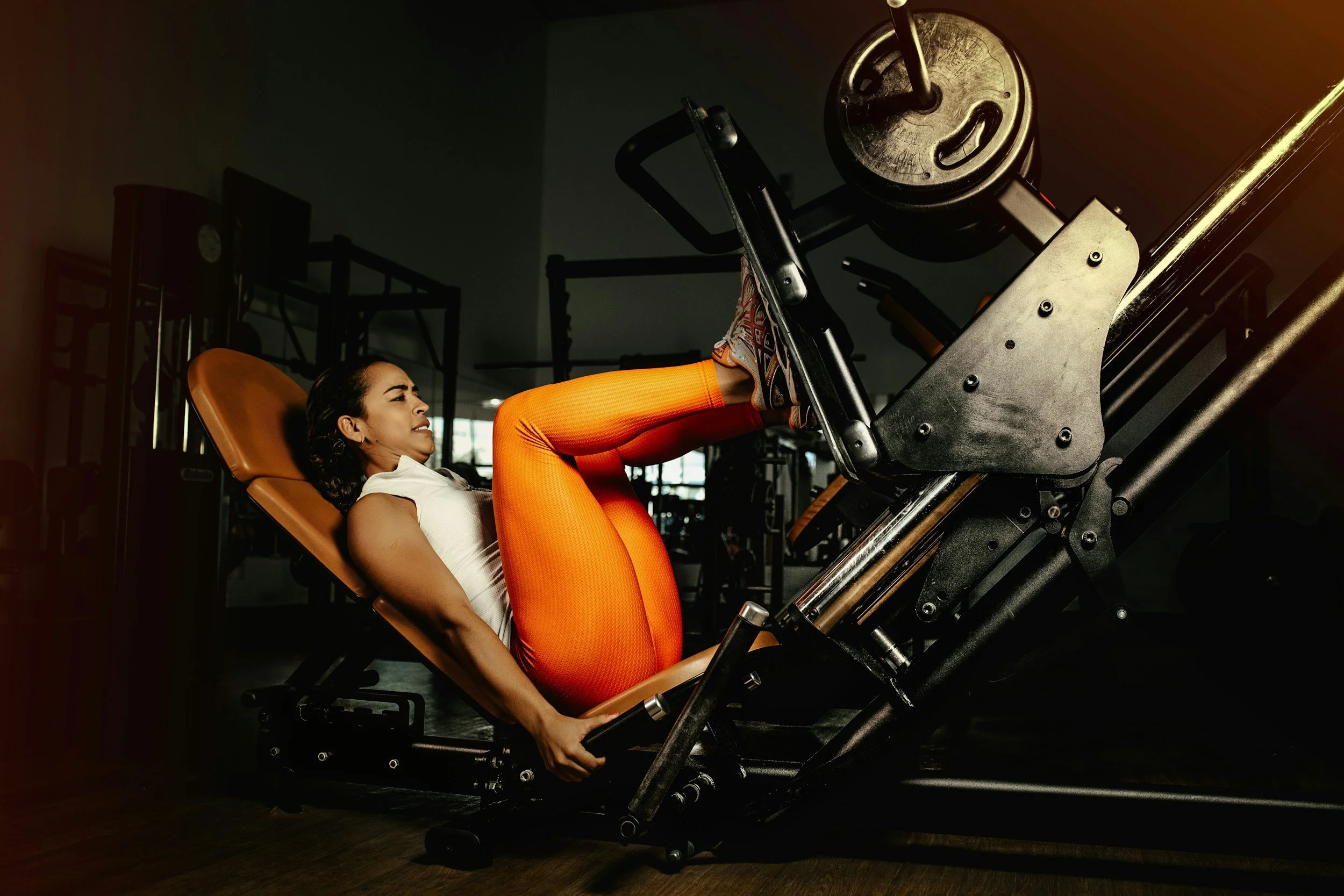
This machine lets you push weight away with your feet while your back stays supported.
It focuses on:
Quads
Glutes
Hamstrings
It’s a solid alternative if squats feel uncomfortable or intimidating.
Hamstring Curl
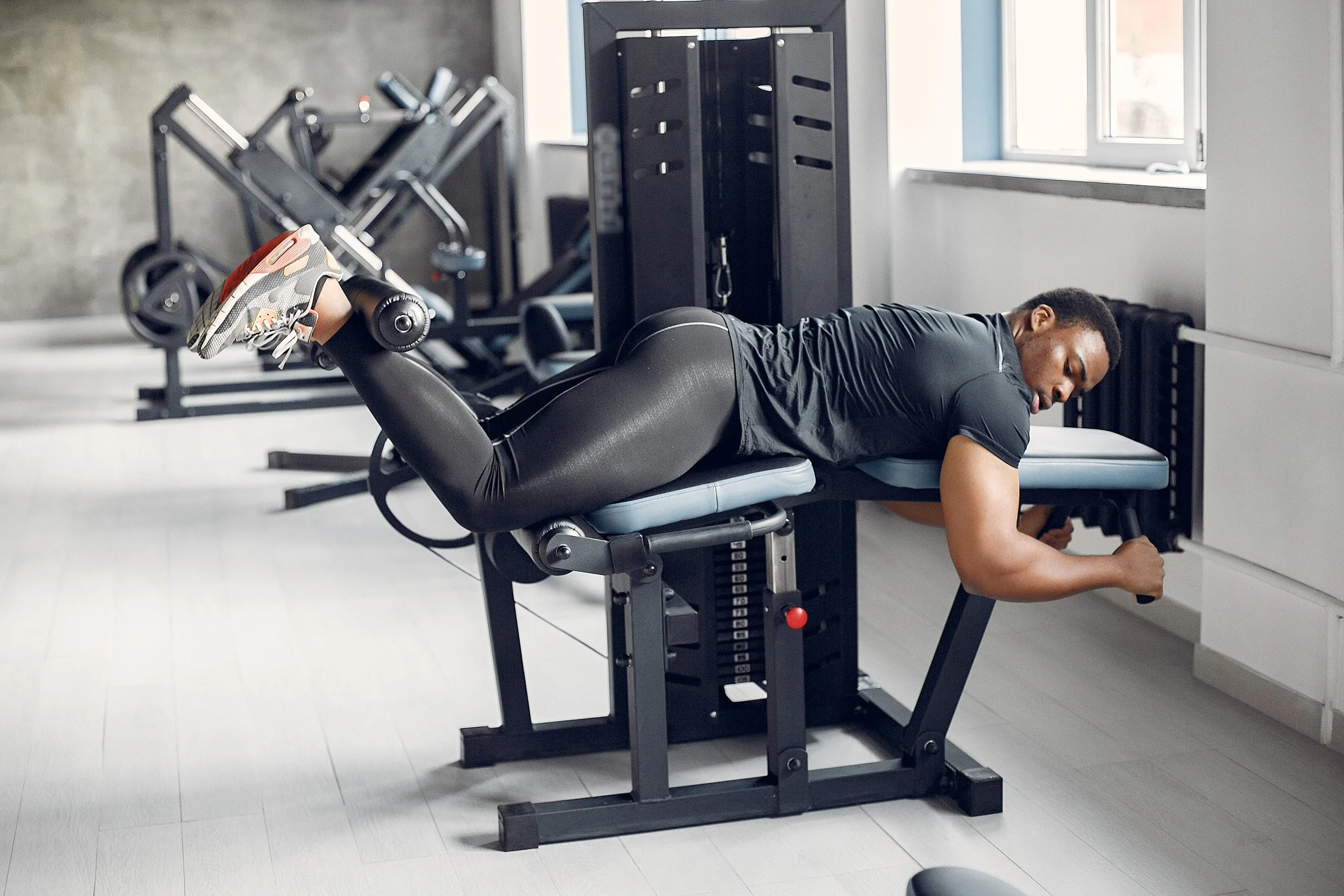
If the movement involves bending your knees against resistance, your hamstrings are doing the job.
Simple, focused, and effective.
Upper Body “Push” Movements (Chest, Shoulders, Arms)
Push-Ups
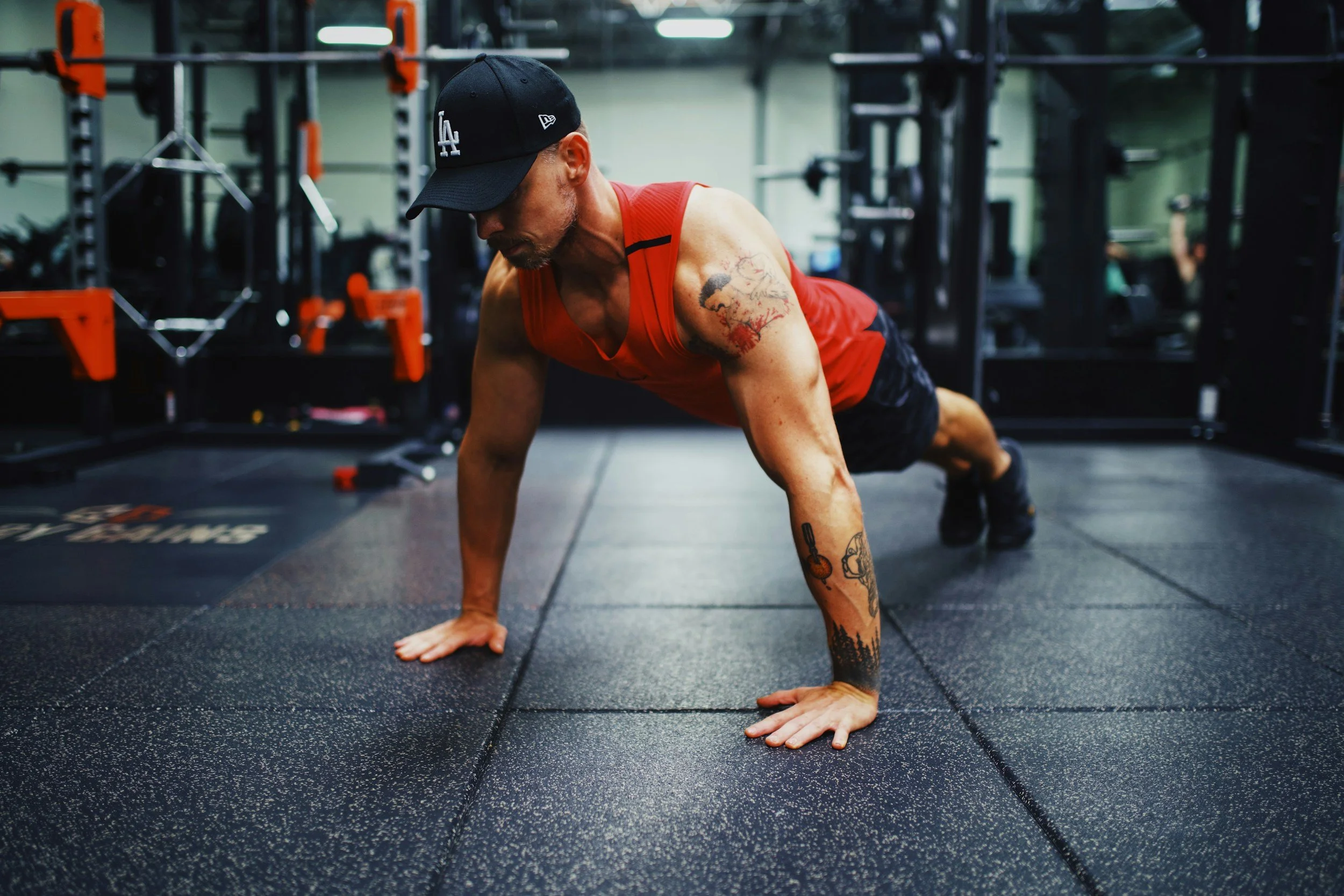
Push-ups are more than just an arm exercise.
They engage:
Chest
Shoulders
Triceps
Core
Incline or knee push-ups still build strength. Difficulty doesn’t determine value.
Bench Press
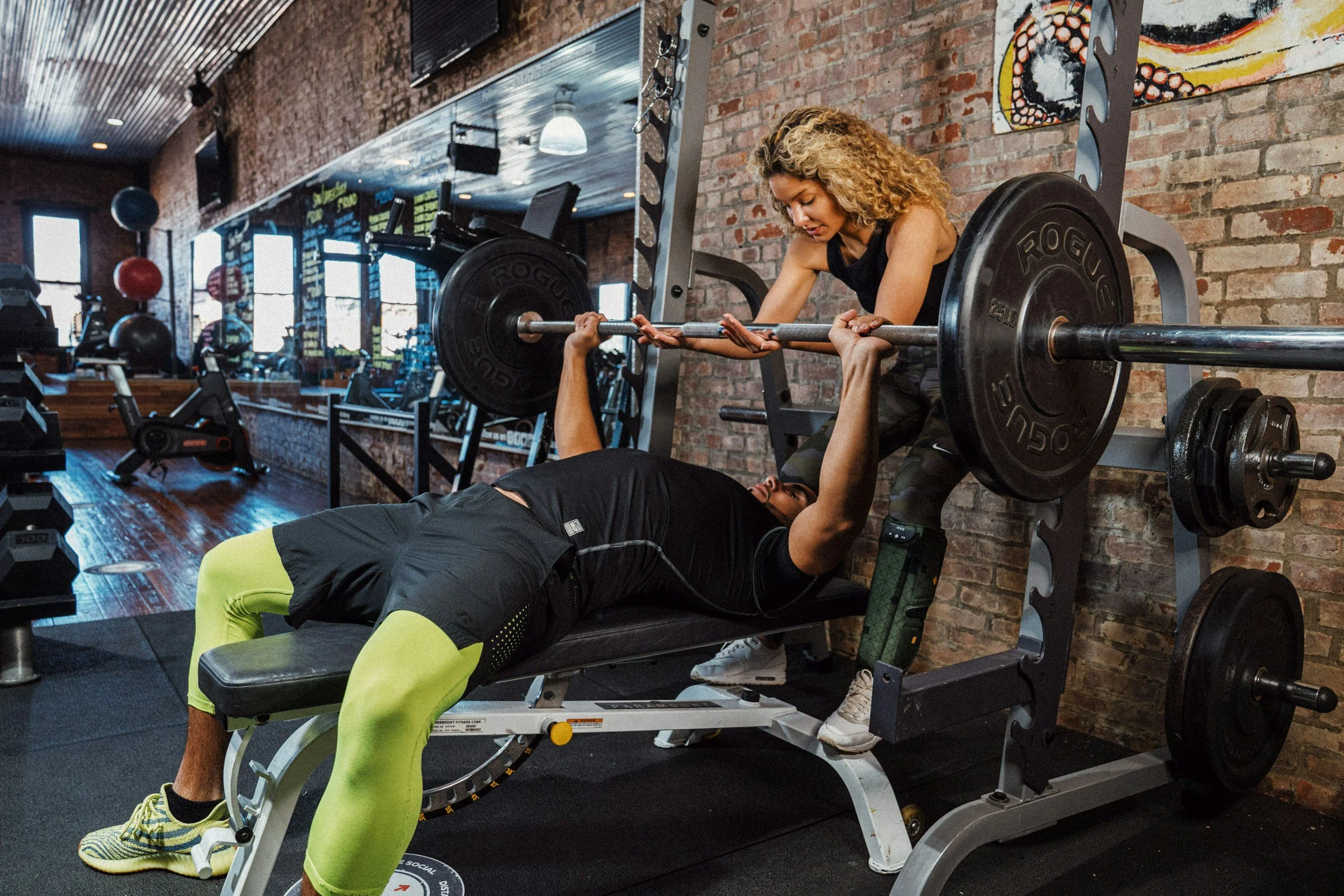
Whether it’s dumbbells or a barbell, bench pressing means pressing weight away from your chest.
You’re working:
Chest
Front shoulders
Triceps
Dumbbells often feel more natural for beginners because they allow your arms to move freely.
Chest Press Machine
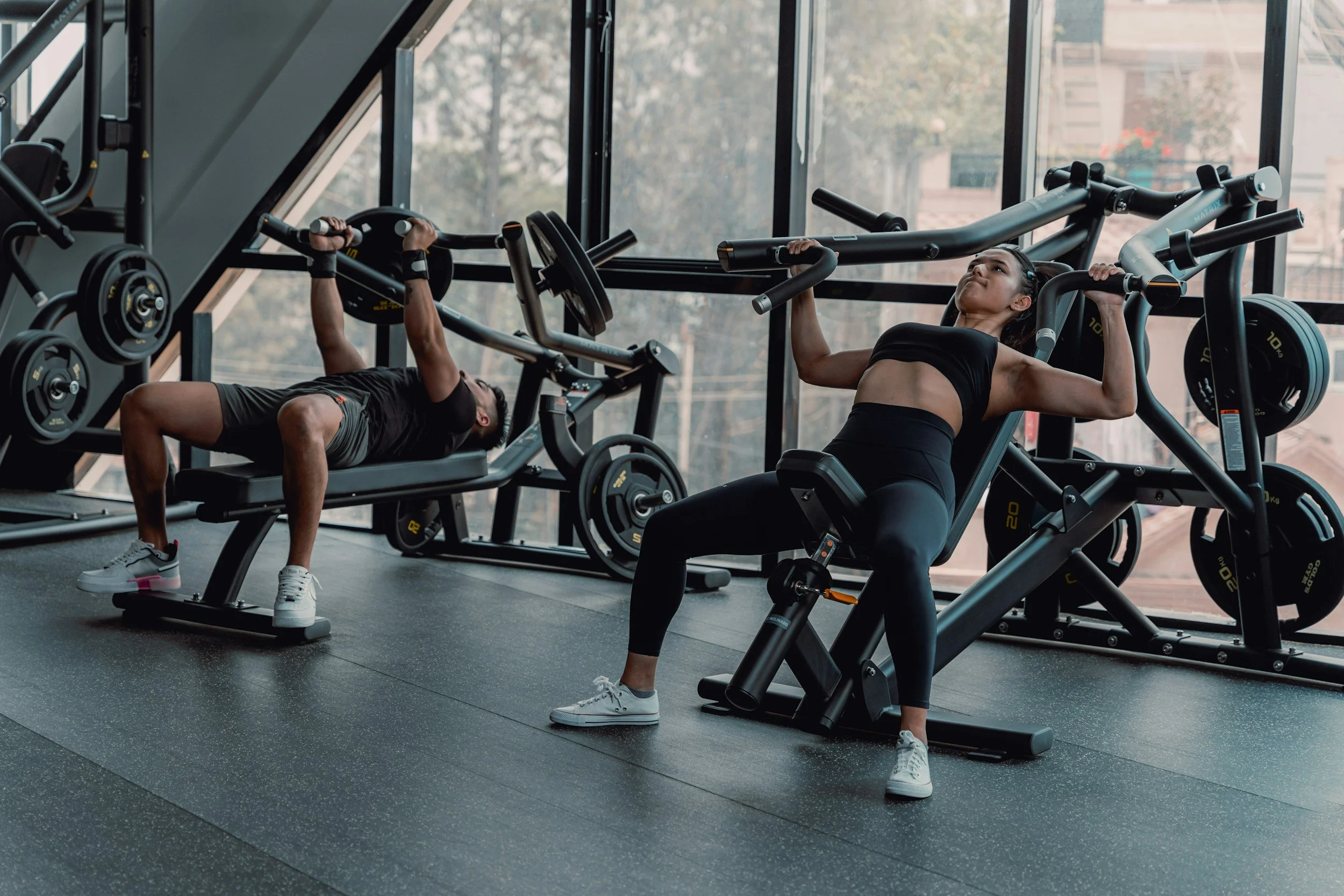
This is a guided version of pressing.
It still trains:
Chest
Shoulders
Triceps
Machines can be a great confidence builder while learning movement patterns.
Shoulder Press
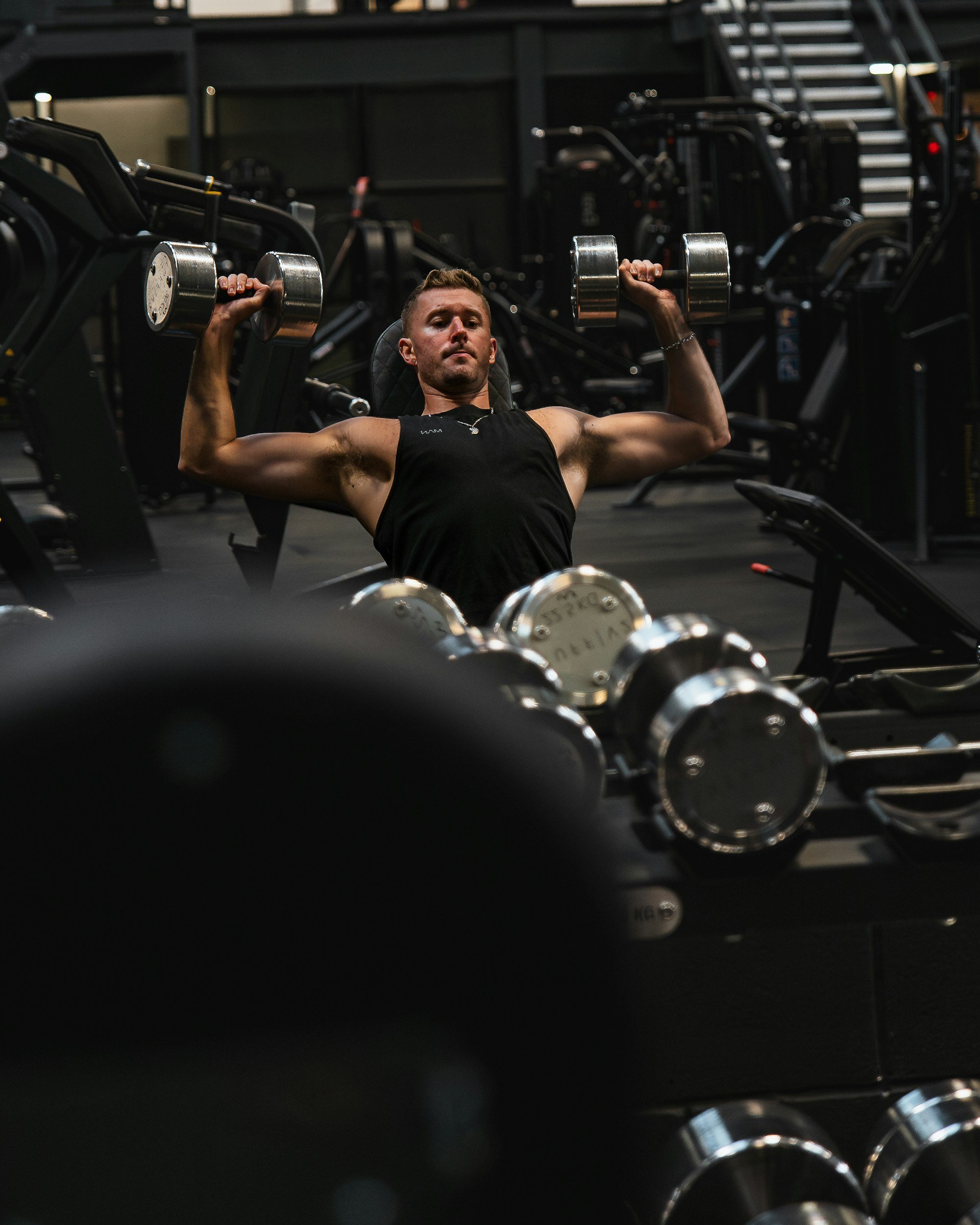
Lifting weight overhead mimics everyday tasks like placing something on a high shelf.
This movement hits:
Shoulders
Triceps
A bit of upper chest
The main thing to remember is that most of the time, when you hear the word “press”, it involves pushing something away from your body.
Upper Body “Pull” Movements (Back & Biceps)
Lat Pulldown
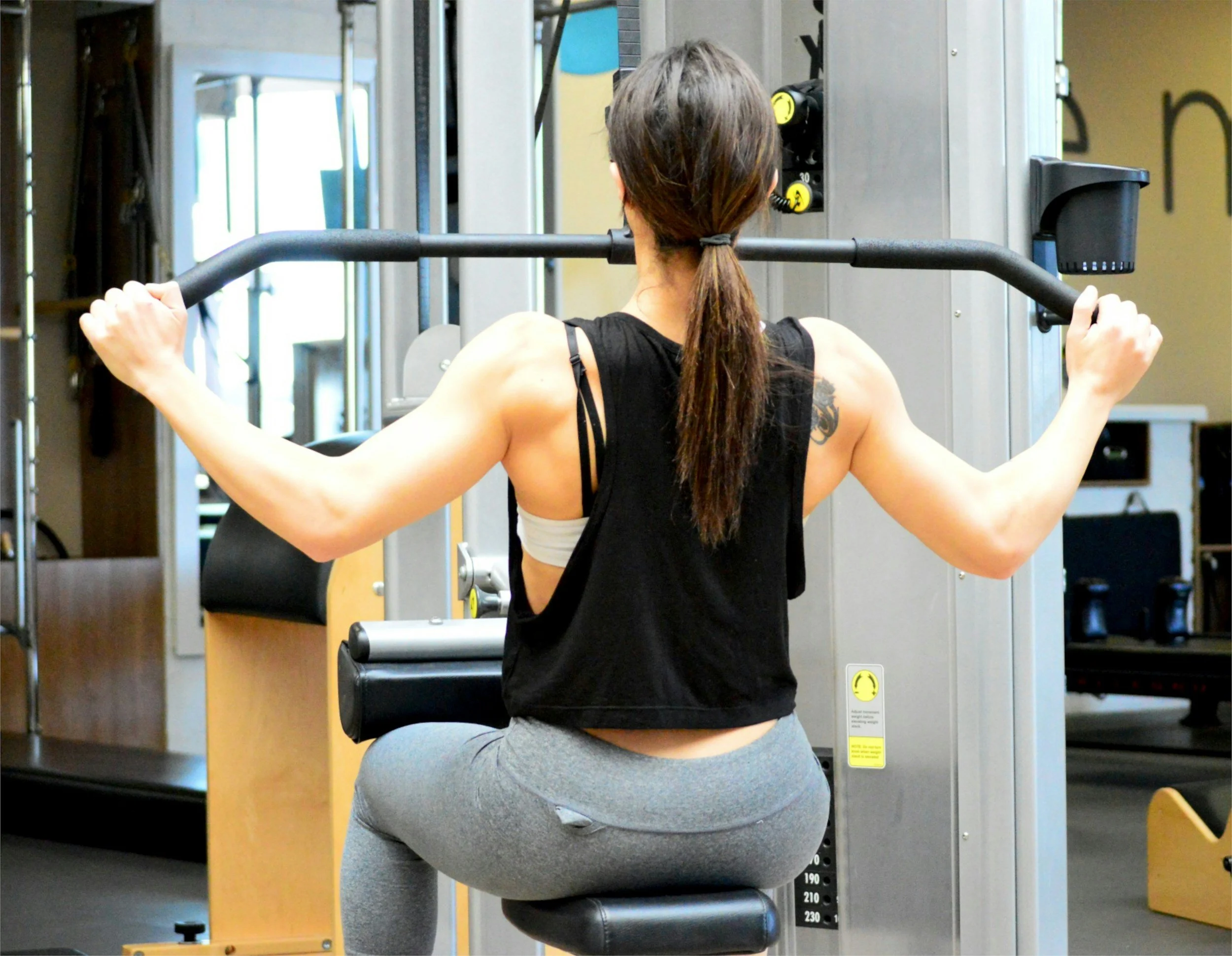
Pulling a bar down toward your chest activates the muscles along your back.
You’re using:
The sides of your back
Upper back muscles
Biceps
This exercise helps with posture and overall upper-body balance.
Seated Row
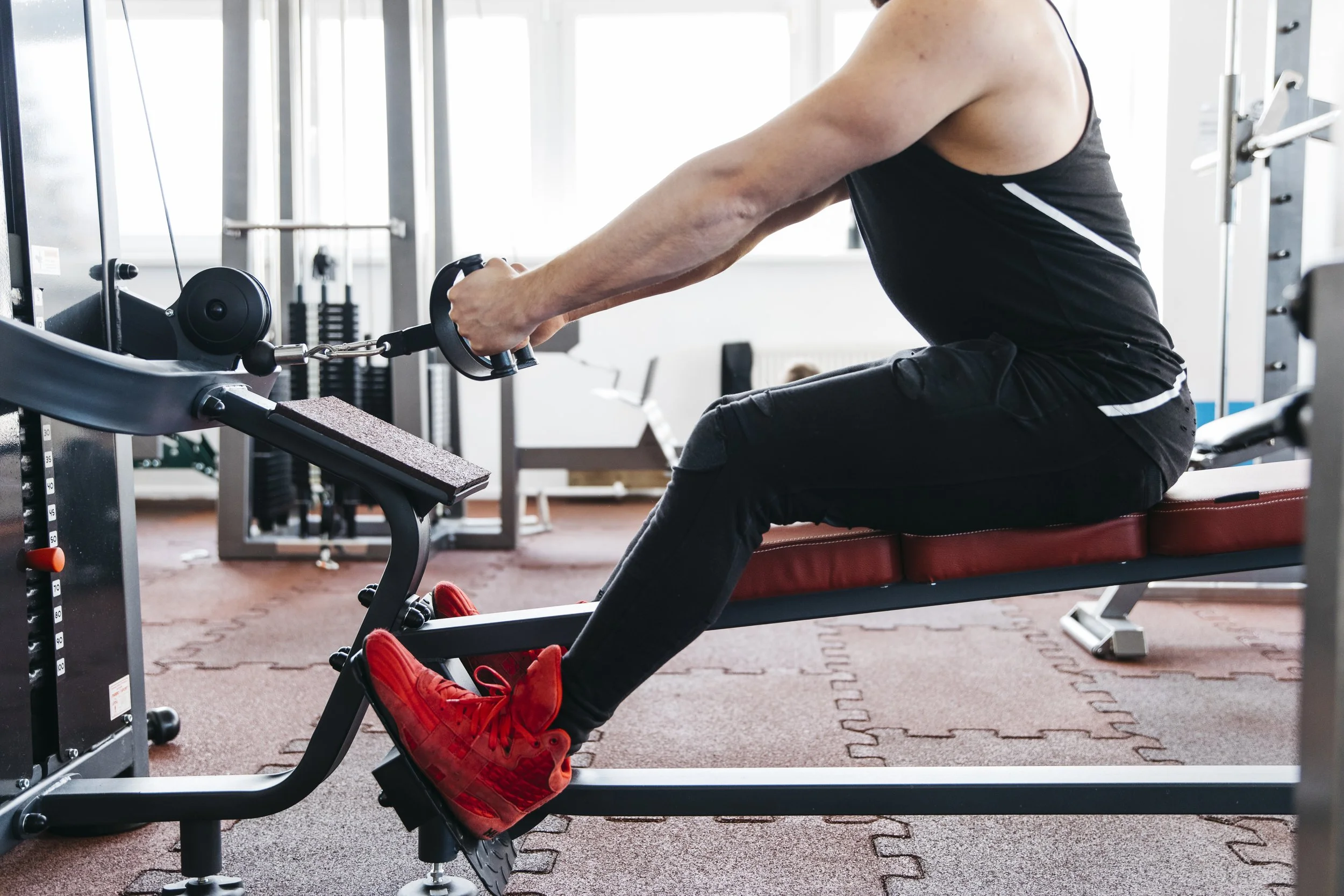
Rows involve pulling something toward your body while keeping your chest tall.
They work:
Mid and upper back
Biceps
Muscles that support posture
If you sit a lot, this movement often feels especially relieving.
Dumbbell Rows
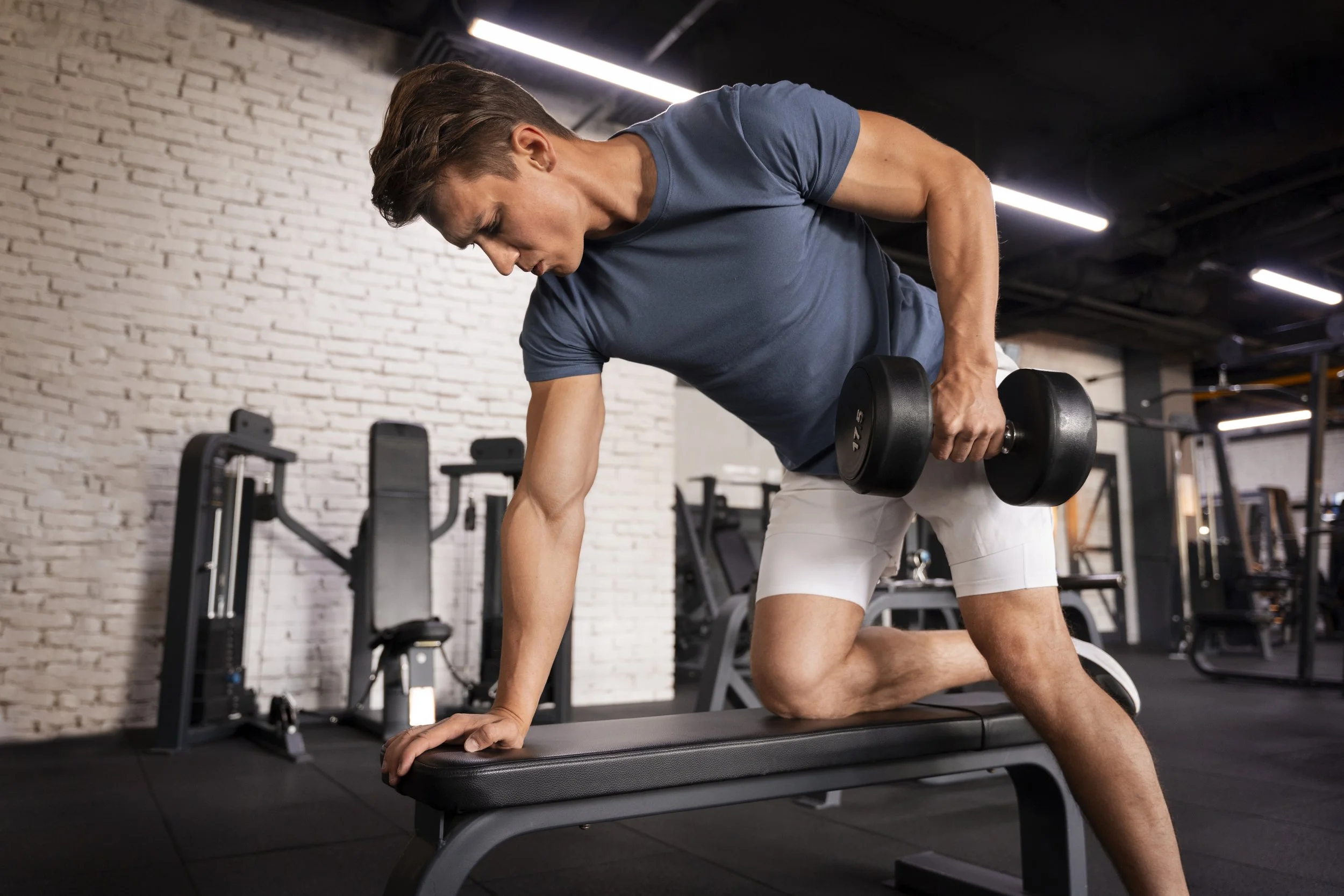
This free-weight version of a row adds a balance challenge.
You’ll feel it in:
Back
Arms
Core
It’s normal to start light here.
Bicep Curls
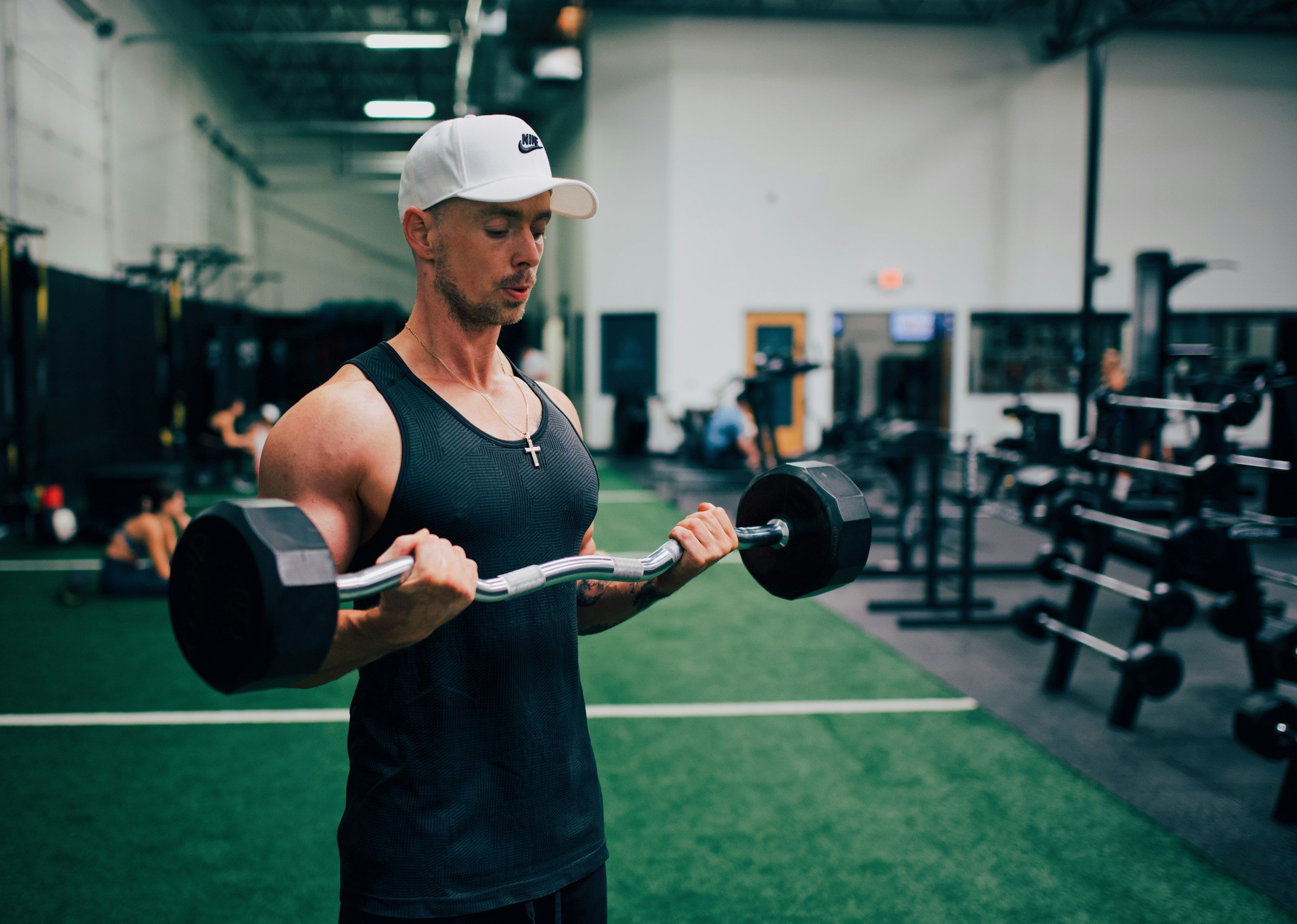
If your elbow bends and the weight moves upward, your biceps are involved.
No mystery, just controlled movement.
Core Movements (Stability & Support)
Planks
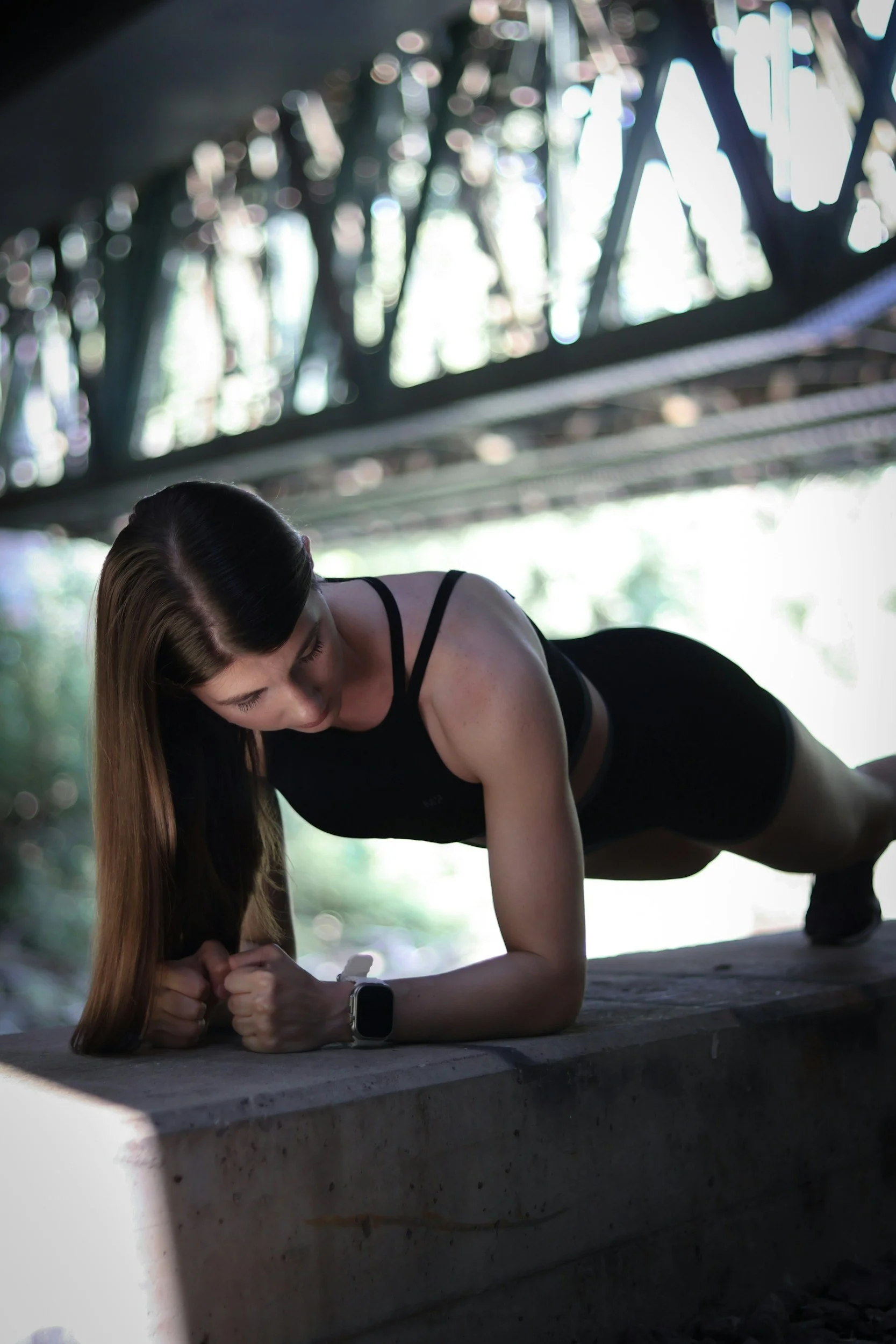
Planks aren’t about crunching or bending.
They train your ability to:
Stay steady
Hold tension
Support your spine
Shaking is common and expected.
Crunches
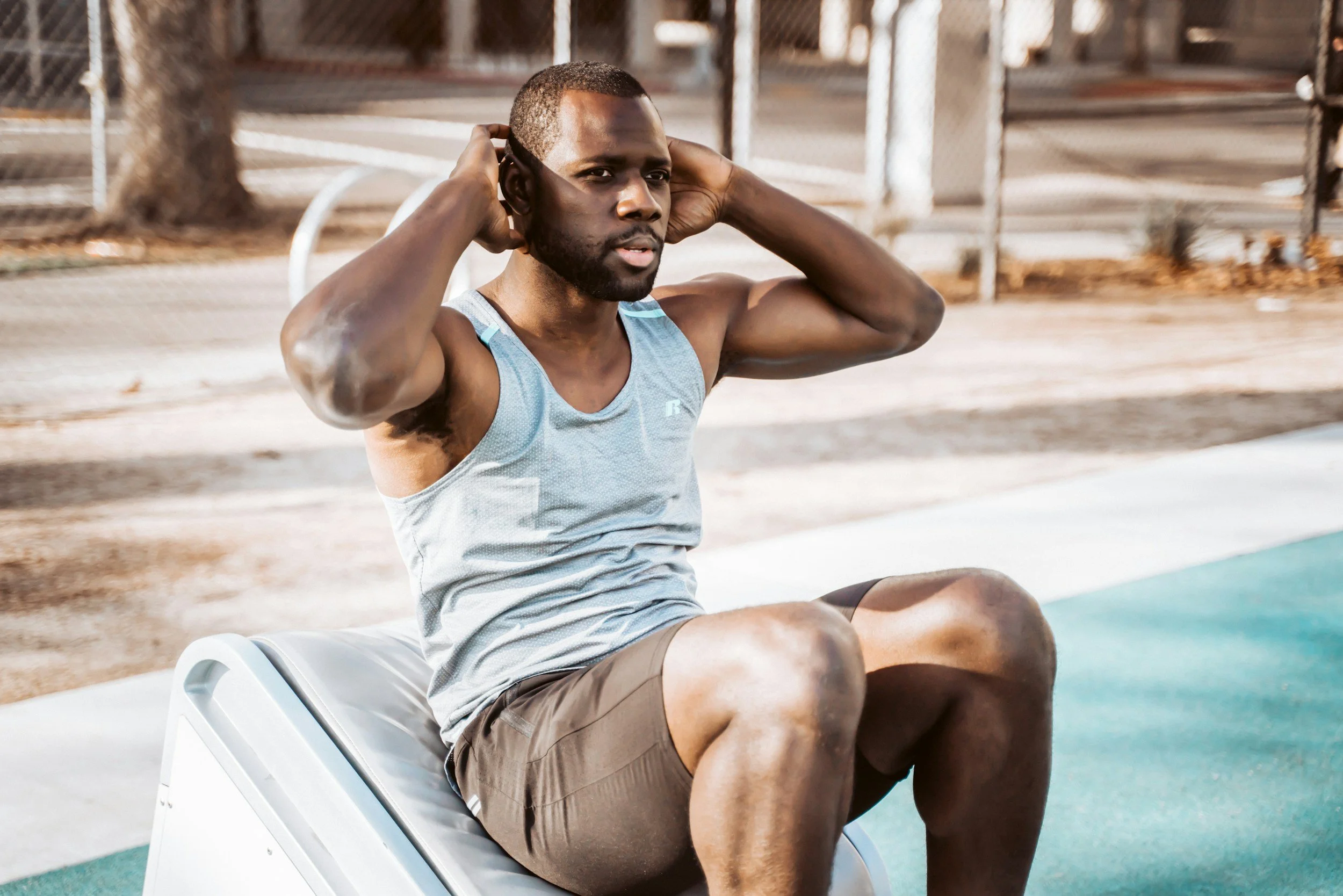
Crunches focus on the muscles at the front of your torso.
They’re simple, familiar, and effective when done with control.
Rotational Core Movements
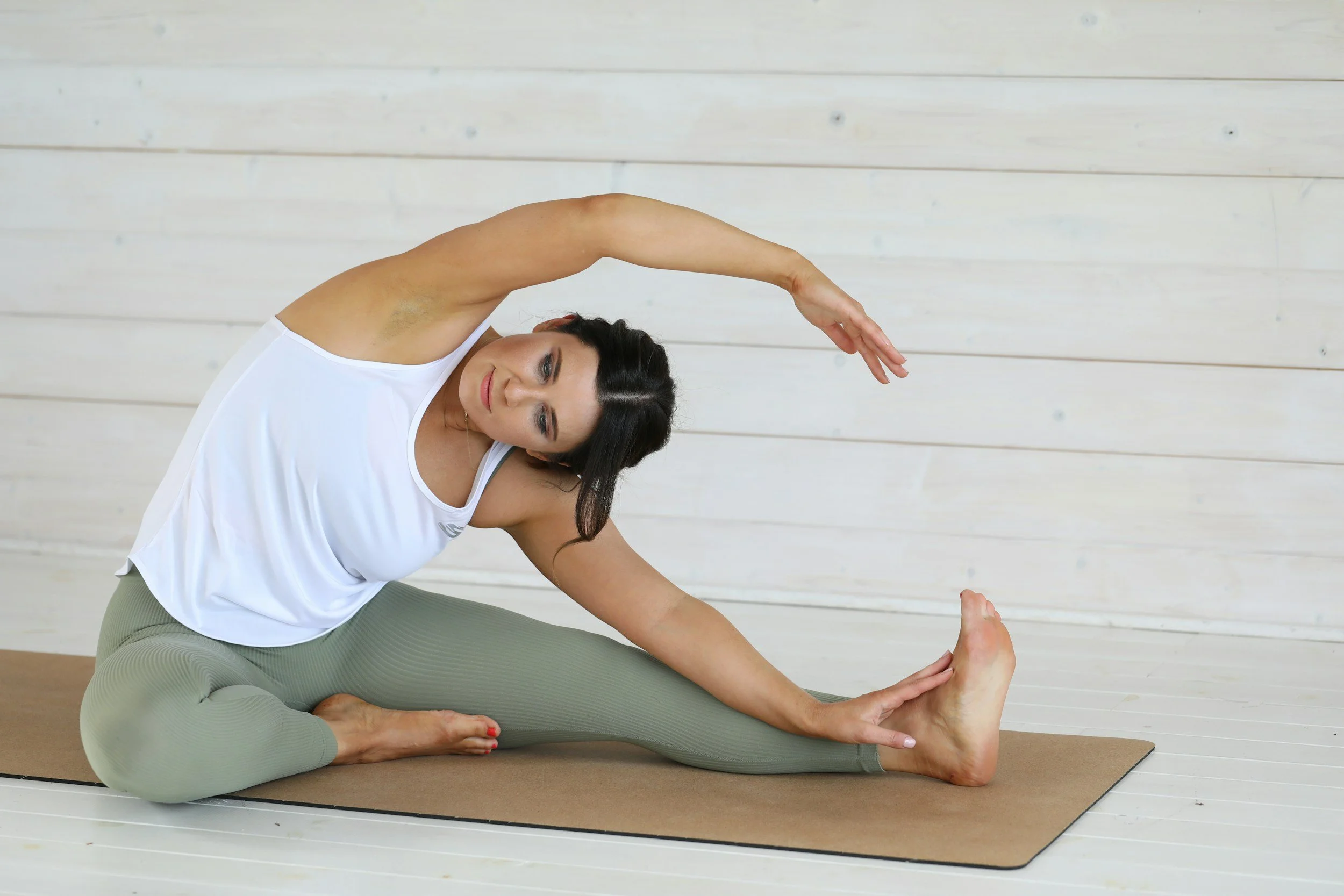
Twisting motions like cable rotations train your core to move safely through rotation.
This matters more than people realize in everyday life.
Cardio Still Uses Muscles Too
Walking
Walking engages:
Legs
Glutes
Light core support
Cycling
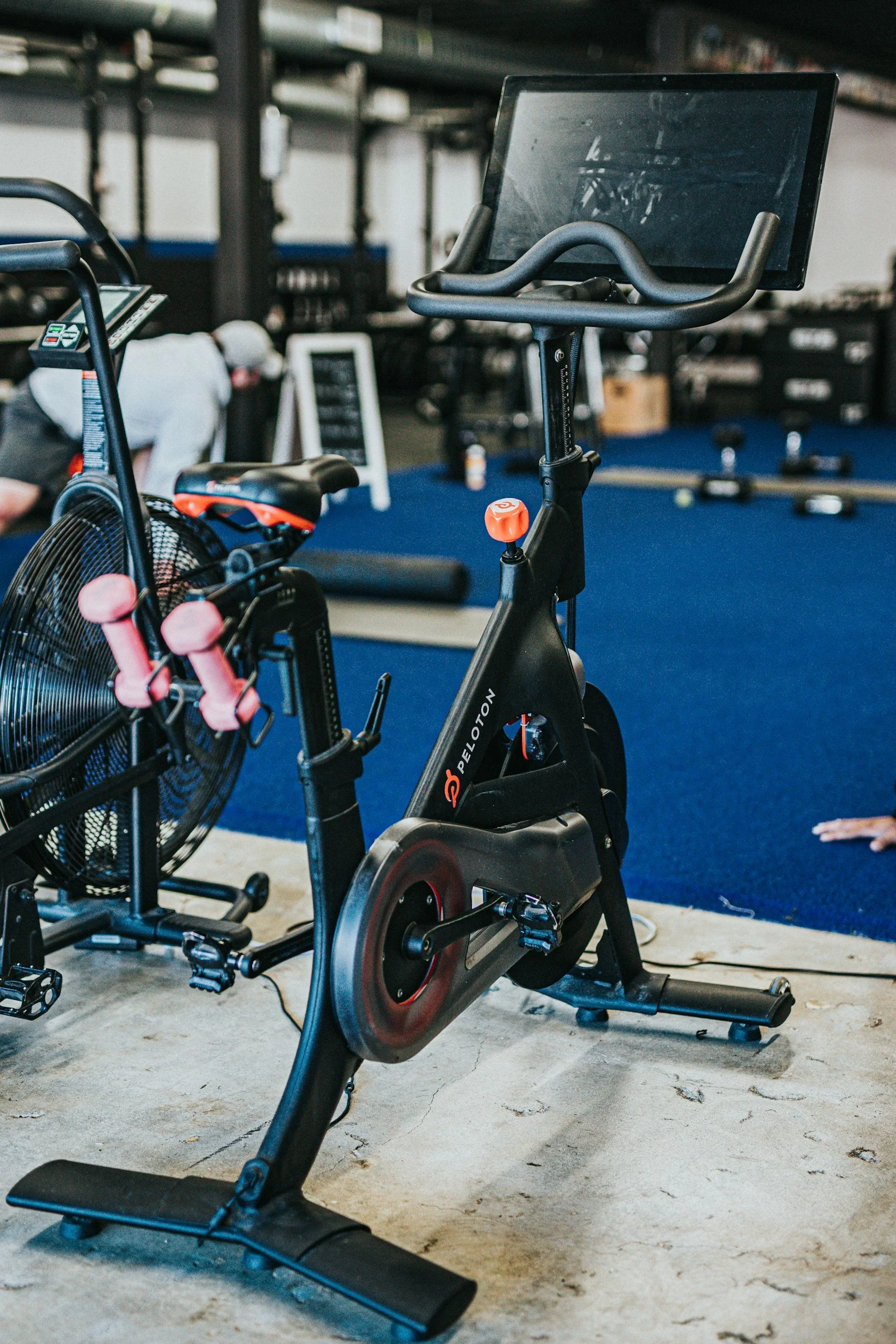
Pedaling mainly challenges:
Quads
Hamstrings
Glutes
Low impact and beginner-friendly.
Rowing
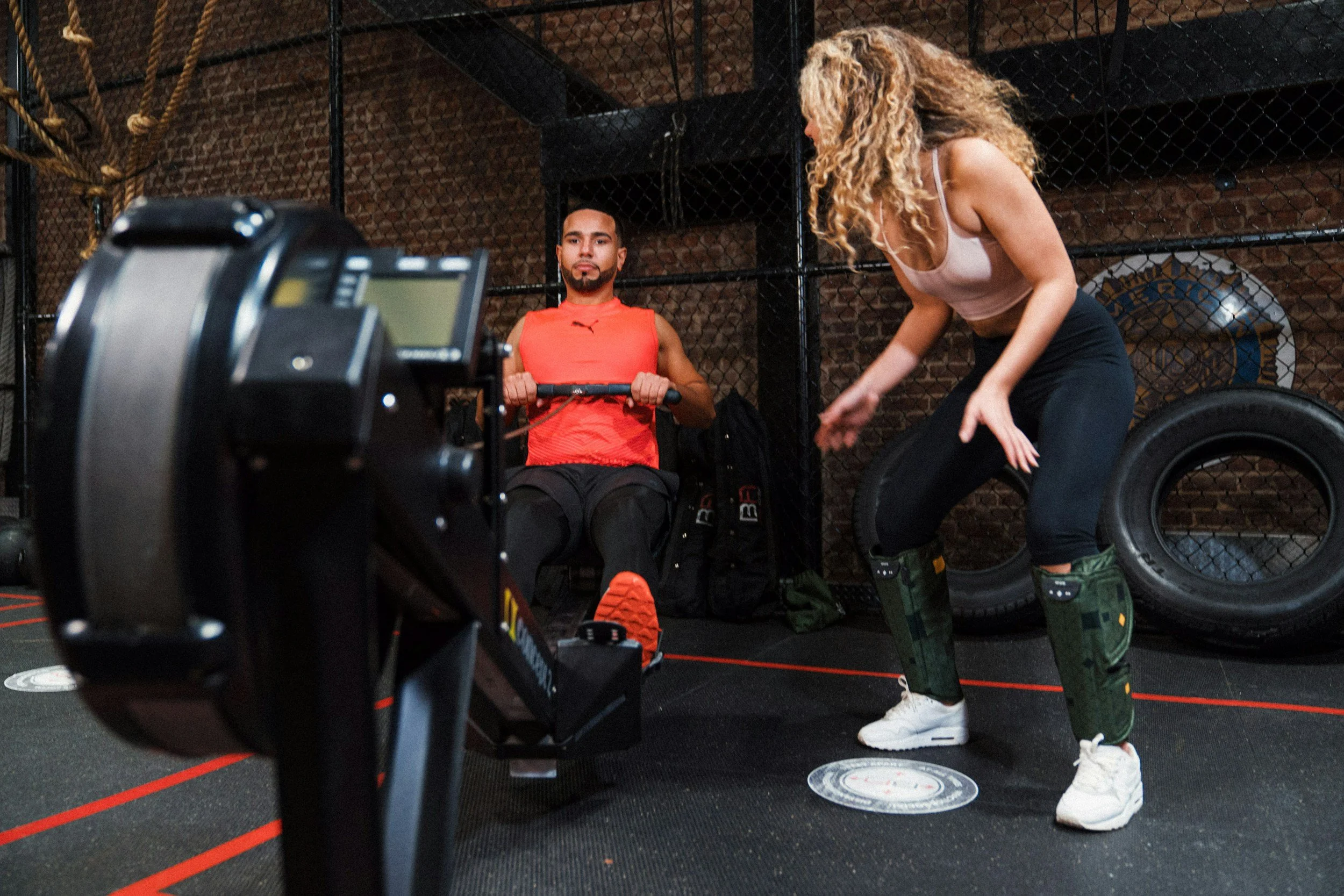
Rowing uses more than arms.
It combines:
Legs
Back
Arms
Core
It’s a full-body effort that sneaks up on people.
The One Thing to Remember
You don’t need to remember every muscle name.
A simple way to think about it:
Pushing movements train the front of your body
Pulling movements train the back
Standing, bending, or stepping trains your lower body
The rest comes naturally with time.
