Walking into a gym can feel like stepping into a room where everyone else knows the rules and you somehow missed the memo.
Cardio machines line the floor like choices you’re expected to understand immediately. Treadmills, bikes, stair steppers, ellipticals. Screens flashing numbers you didn’t ask for. If you’ve ever stood there wondering which one you’re supposed to use, that’s more common than you think.
Here’s the truth most people don’t say out loud: cardio machines are tools, not tests. They’re meant to help you move and not prove anything. At the end of the day, any machine is okay.
Let’s break them down in a way that makes sense, without pressure or gym jargon.
What Cardio Machines Are Really Meant to Do
Before picking a machine, it helps to reset the goal.
Cardio isn’t just about burning calories or pushing yourself until you’re drained. At its core, cardio supports:
Heart and lung health
Circulation and energy levels
Stress relief and mood regulation
You don’t need to leave exhausted for it to “count.” If you’re moving and breathing a little harder than normal, you’re already doing enough.
The Treadmill: Familiar for a Reason
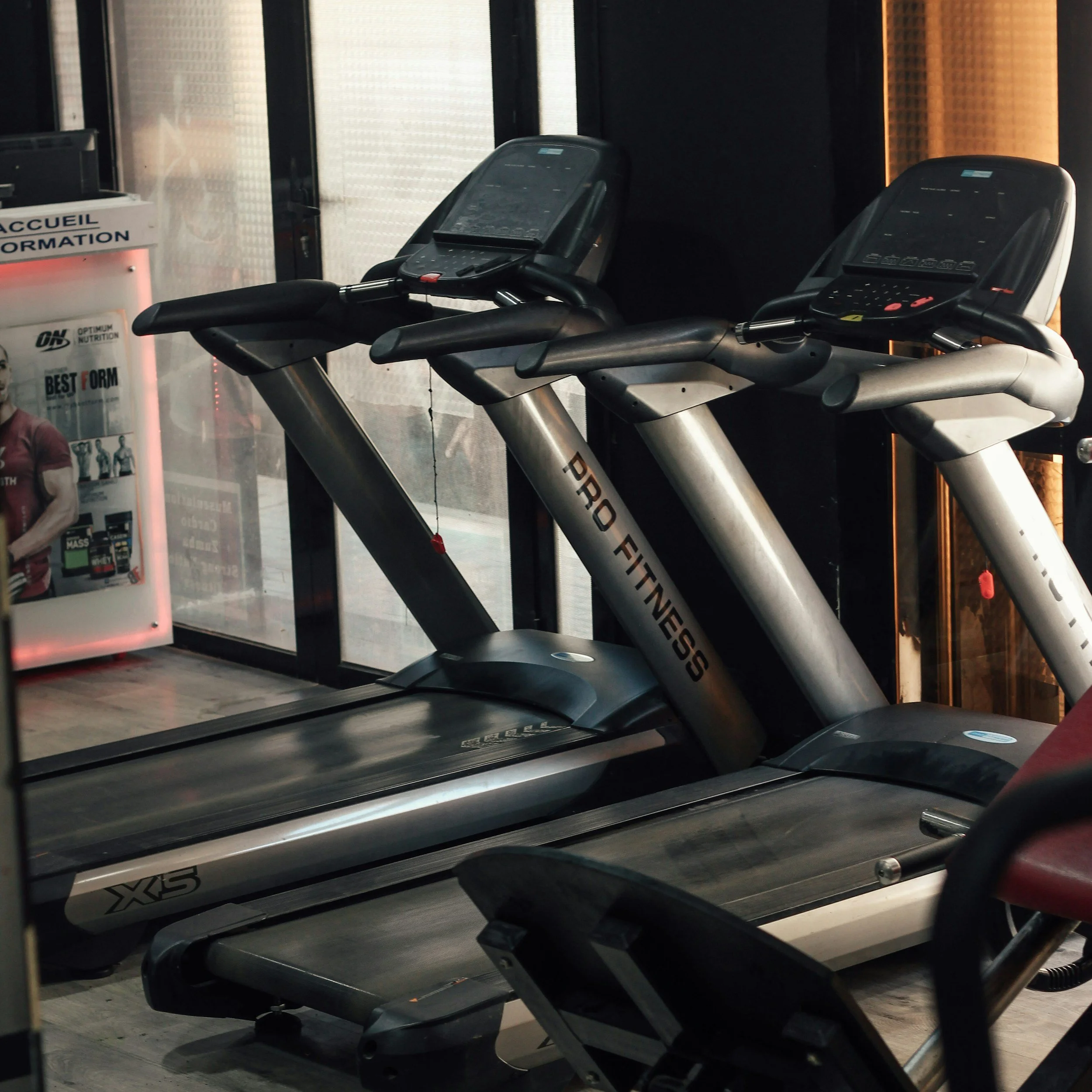
Most people start here because walking feels recognizable. That familiarity matters.
Why it feels approachable:
You already know how to walk
Speed can stay very low
You control when you start and stop
What’s often misunderstood is that treadmills aren’t for running. Walking, especially flat walking, is more than enough. Incline is optional. Speed is optional. Even holding the rails while you get your footing is okay.
If this machine feels like a safe first step, that’s reason enough to choose it.
Many choose the treadmill for its ability to move up and down (the incline buttons you see) and the speed you can go (also usually buttons you can adjust).
The name of the game for most cardio is resistance. If you want to burn more, move more, or simply exert more, upping the resistance is often done here.
The Stationary Bike: Quiet and Low Pressure
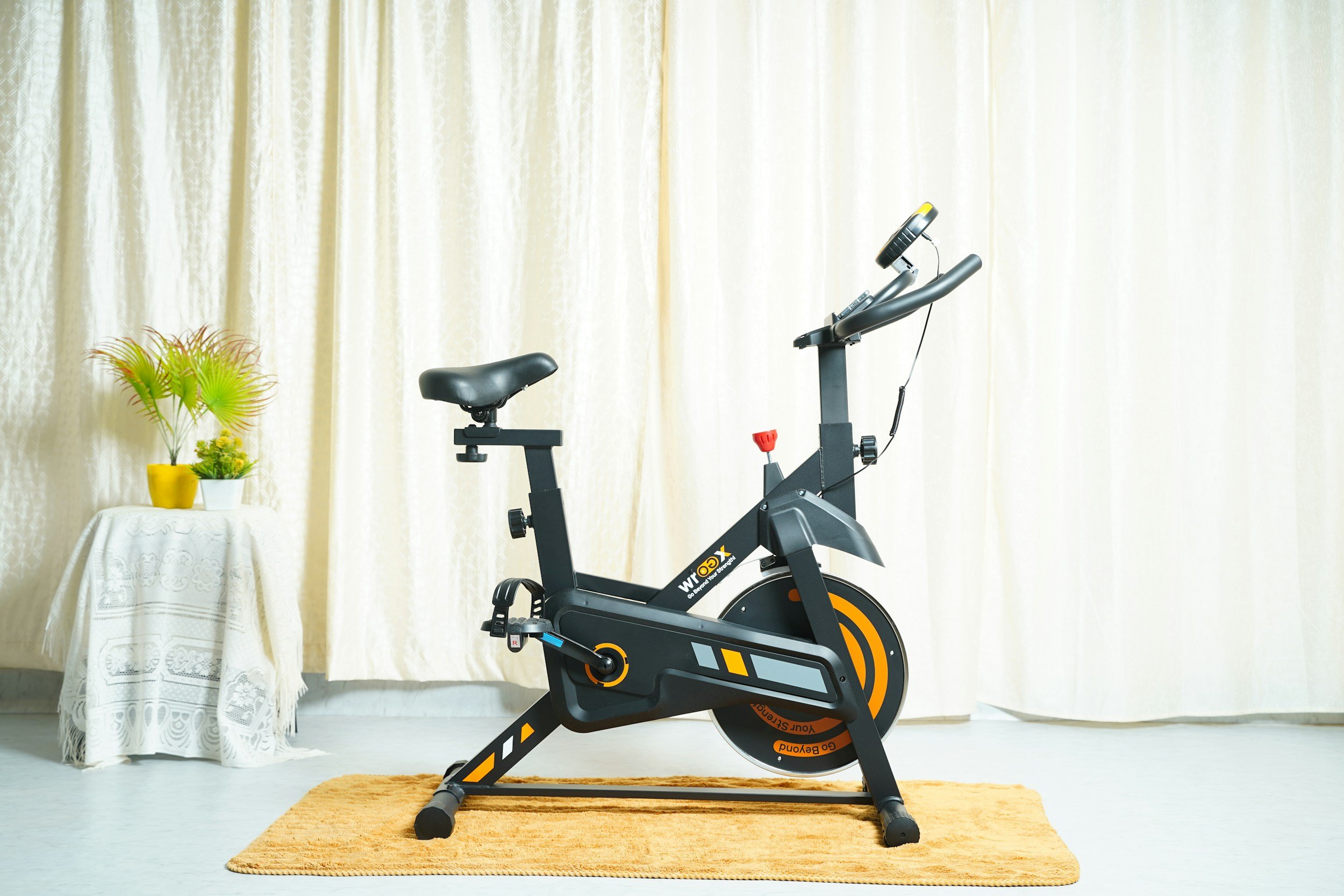
The bike is one of the least intimidating machines, even if it doesn’t get as much attention.
Why beginners often prefer it:
You’re seated, which feels stable
There’s minimal joint impact
You can pedal lightly without anyone noticing
It’s a great option if standing feels tiring or if you want to ease into cardio without worrying about balance or coordination.
The Recumbent Bike: Support Without Judgment
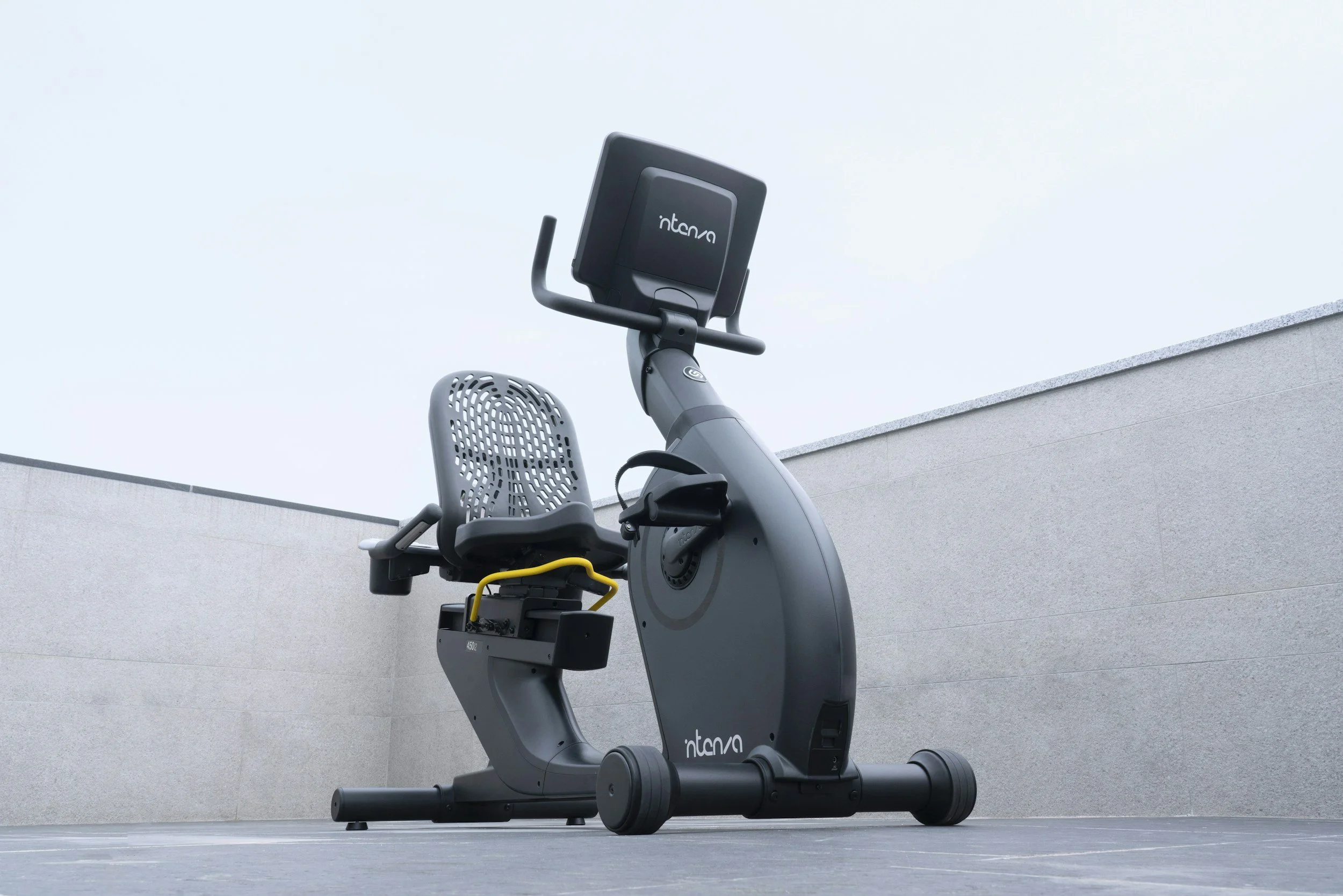
This bike has a backrest and a wider seat, which some people worry makes it “less serious.”
It doesn’t.
Why it works well:
Extra support for your lower back
Comfortable for longer, slower sessions
Less pressure on knees and hips
If this is the machine that helps you stay longer or feel calmer, it’s doing its job.
The Stair Stepper: Intimidating, but Not Impossible
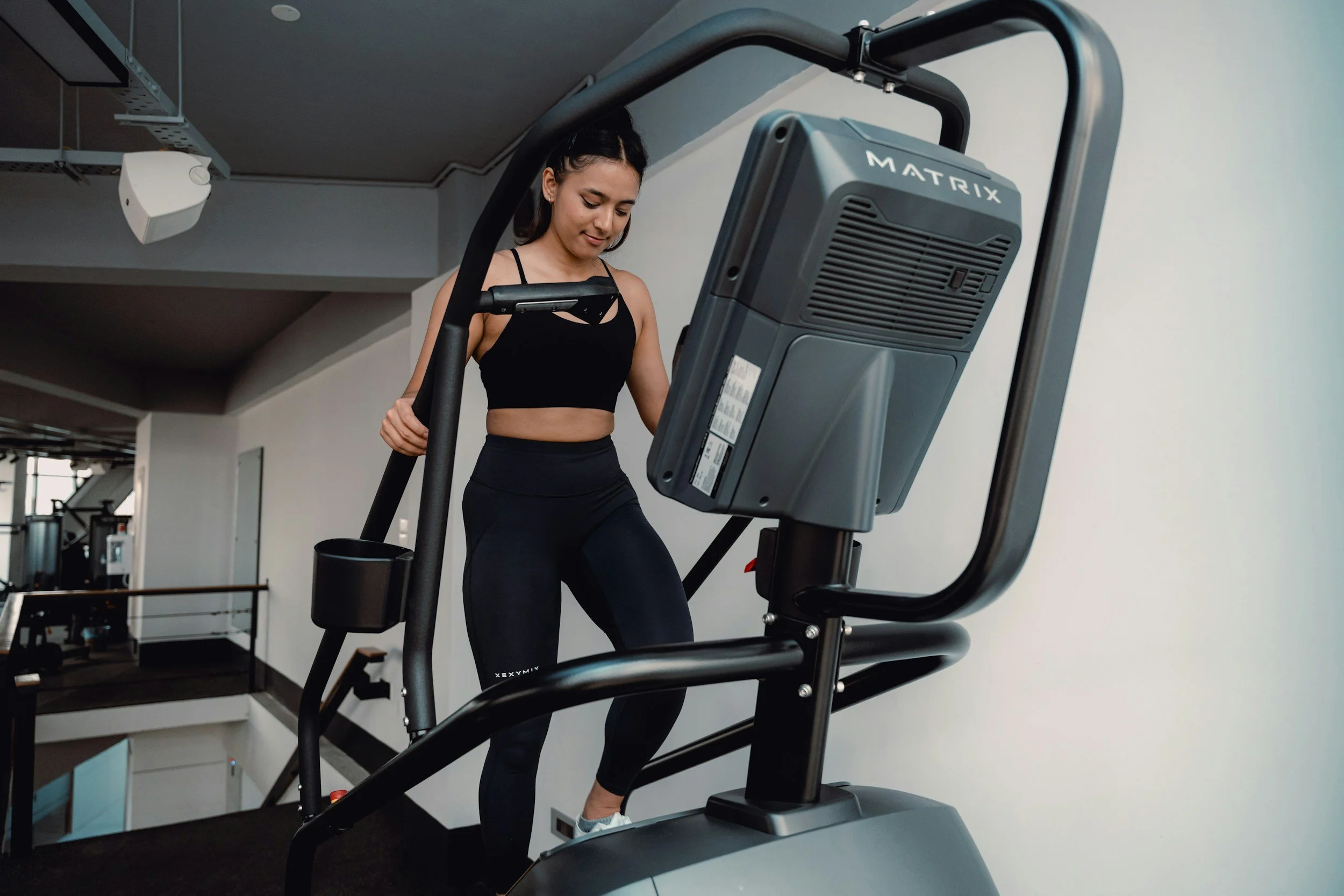
The stair stepper tends to scare people off, although not because it’s bad.
It’s because it looks intense.
Here’s what most people don’t realize:
You can start incredibly slow
Short sessions are still effective
Holding the rails while learning is normal
You don’t need to climb endlessly or keep up with the machine next to you. Even a minute or two at a comfortable pace builds confidence. If it feels like “too much” today, that doesn’t mean it always will.
The Elliptical: Smooth Movement with a Learning Curve
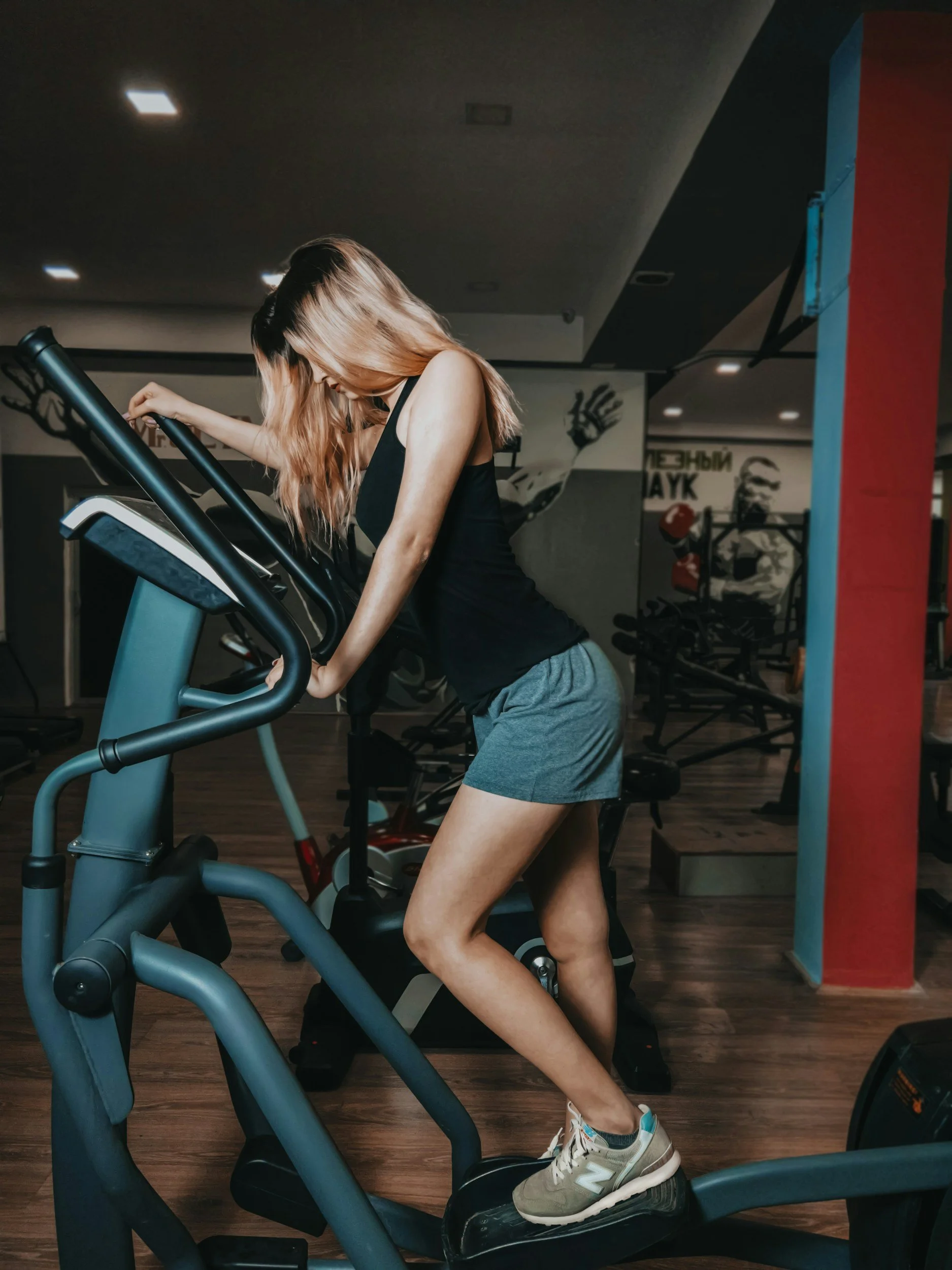
Ellipticals can feel awkward at first and that’s okay.
What to expect:
It might take time to feel coordinated
Slower speeds help
You don’t need to use the arm handles
Once the motion clicks, many people like how gentle it feels on their joints. If it doesn’t click yet, you’re just learning and that’s okay.
The Rowing Machine: Powerful but Optional
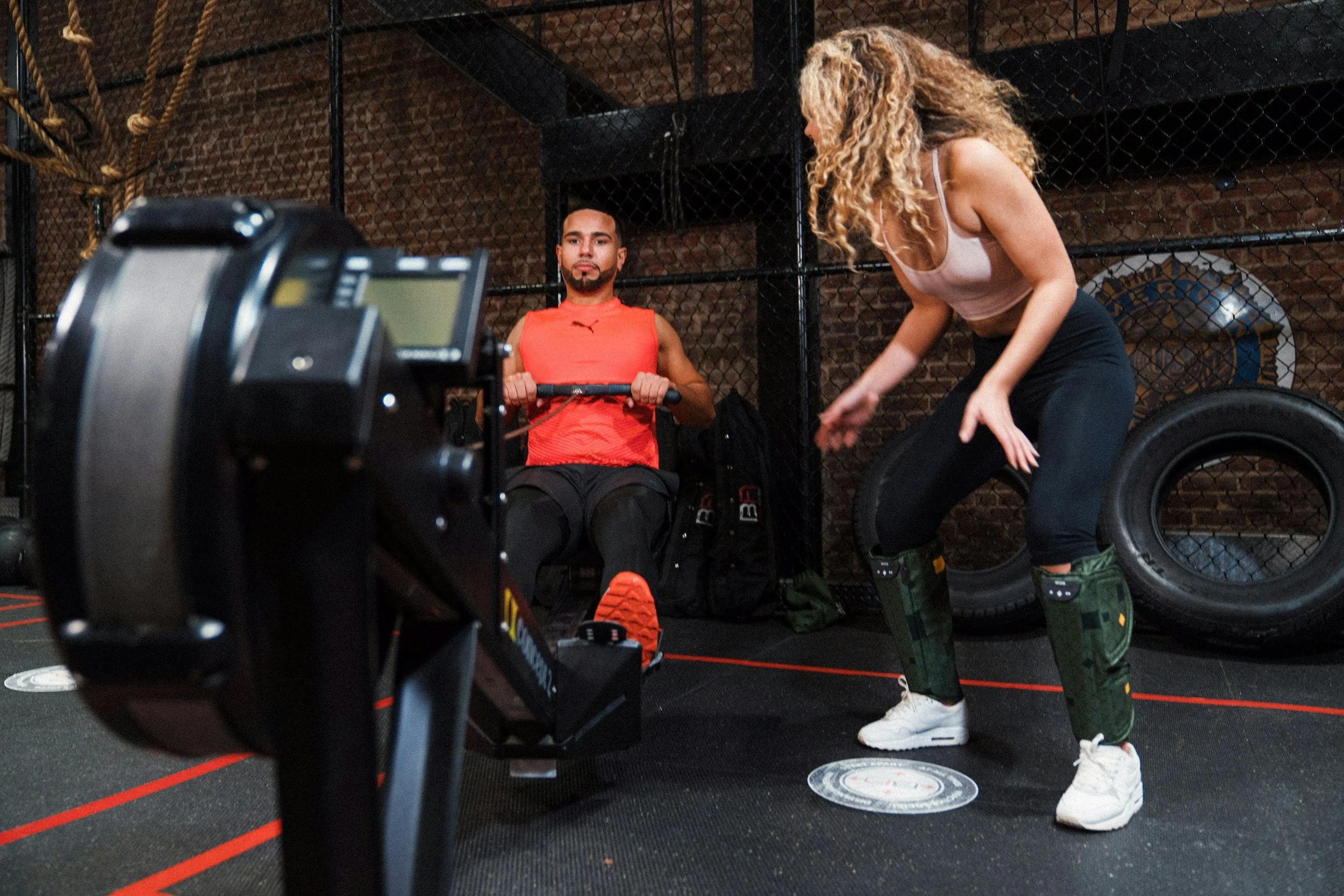
Rowers look serious. They’re often placed in a way that feels very visible, which adds pressure.
What they offer:
Full-body movement
Adjustable resistance
Low-impact on joints
Rowing is technique-heavy. It’s okay to skip it until curiosity brings you back to it.
Which Cardio Machine Burns the Most Calories?
This question comes up a lot and it’s rarely helpful.
Calorie burn depends more on:
How long you move
How comfortable you feel
How often you return
The machine you’ll actually use again is the one that matters. It all comes back to resistance and where you feel you can take the next step.
How to Choose Without Overthinking It
Instead of asking what’s “best,” try asking:
Which machine feels least stressful today?
Which one feels natural to my body right now?
Which one would I be okay using again next time?
Your answer can change week to week. That’s normal. One question that you can ask yourself:
“Which machine can I do today, and then find myself doing a little more tomorrow?”
How Long Should You Stay on a Cardio Machine?
There’s no minimum requirement.
Five minutes counts. Ten minutes counts. Stopping early counts. You don’t need to earn your exit.
Consistency comes from comfort, not forcing yourself to endure something you hate.
If You Feel Like You’re Doing Cardio Wrong
You’re not.
There’s no correct speed, distance, or level. Cardio works when it fits into your life and not when it feels like punishment.
If you leave feeling okay instead of depleted, that’s a win.
Final Thought: Confidence Comes from Showing Up
Cardio machines aren’t measuring your worth or effort. They’re just there to help you move.
You don’t need to master them. You don’t need to impress anyone. You just need to start where you are, and that’s already enough.
