What “Reps” and “Sets” Mean (In Plain English)
If you’ve ever glanced at a workout plan and felt confused before you even started, you’re not alone. Words like reps and sets get tossed around constantly in fitness spaces, but no one really explains them in a normal way.
The truth is, these terms aren’t complicated and you don’t need to master them before stepping into the gym. Once you understand what they mean, workouts feel less intimidating and a lot more approachable.
Let’s break it down without overthinking it:
You’re Not Supposed to Know This Automatically
A quick reminder before we get technical: everyone starts somewhere.
Most people learned what reps and sets mean through trial and error, rather than being taught by someone who explained it clearly. Feeling unsure doesn’t mean you’re behind. It just means you’re new.
And being new is allowed.
What a Rep Actually Is
A rep is short for repetition. It simply means doing an exercise one full time.
For example:
One squat down and back up = one rep
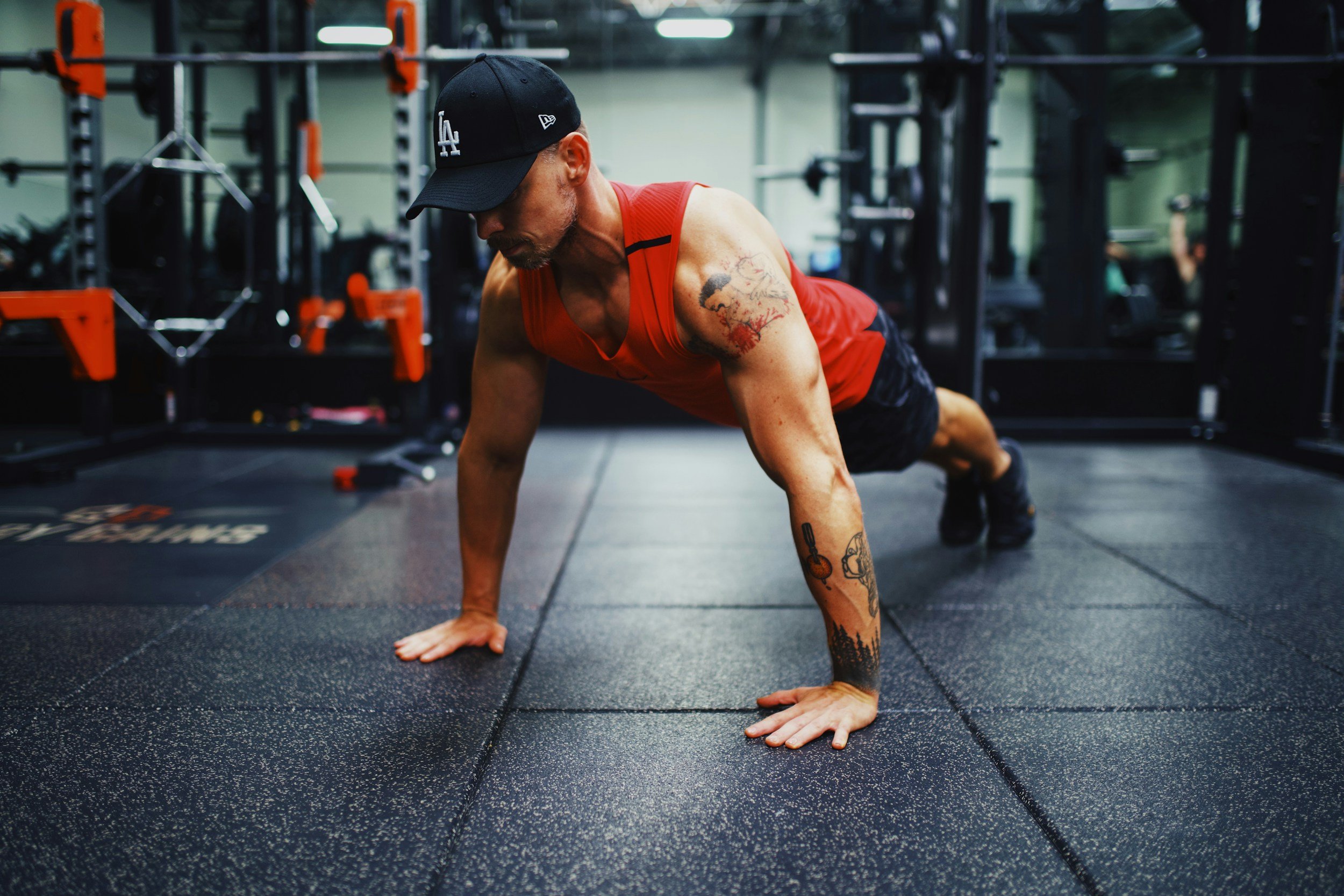
One push-up down and up = one rep
One bicep curl up and down = one rep
If you do the movement once from start to finish, you’ve done a rep. That’s all there is to it.
What a Set Means (Think “Round”)
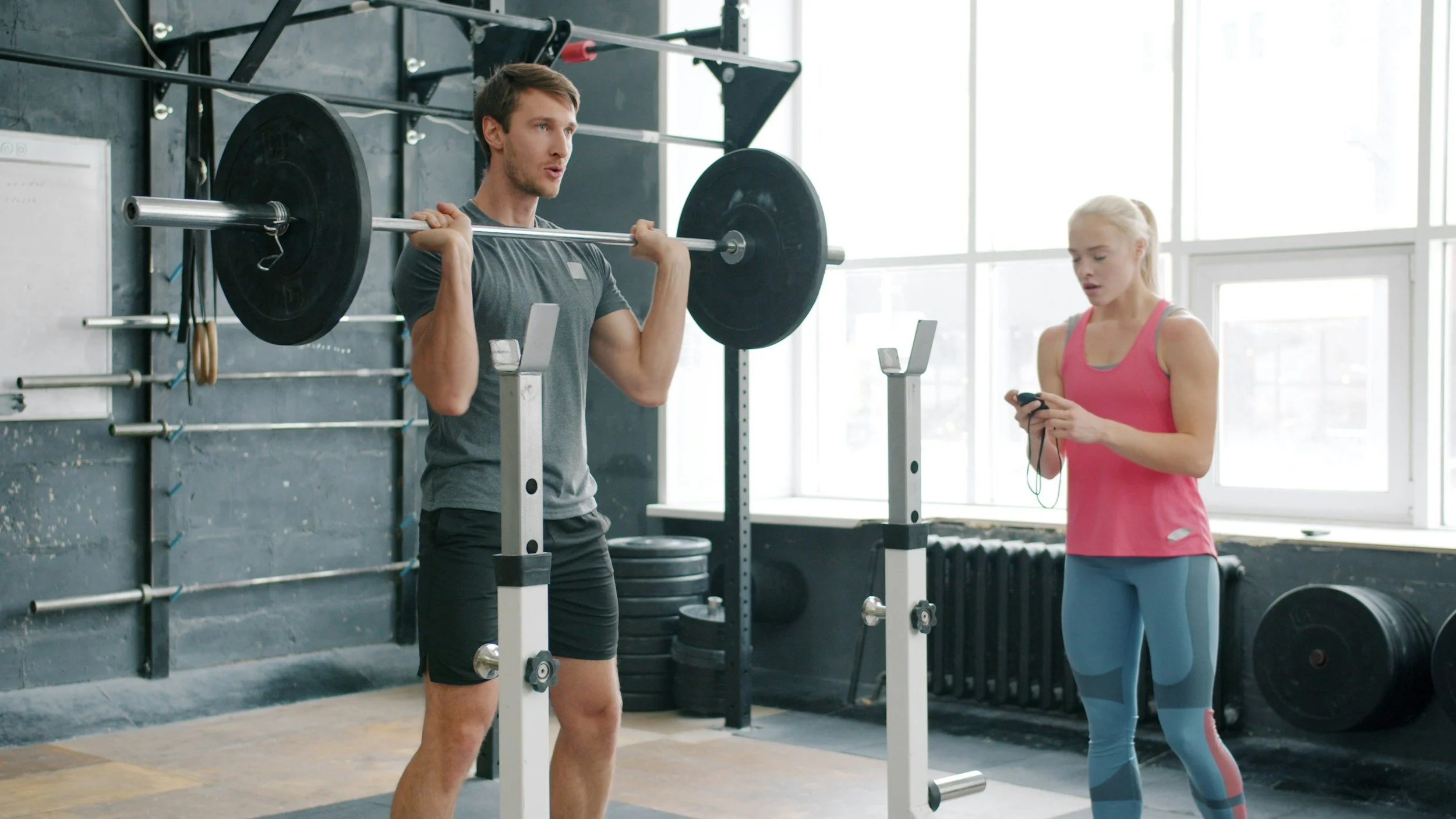
A set is just a group of reps done back-to-back.
If you do:
10 squats without stopping
That’s 1 set of 10 reps.
If you rest for a moment and do another 10 squats, you’ve completed:
2 sets of 10 reps
A helpful way to think about it:
Reps = the movement
Sets = how many rounds you do
Why Workouts Use Reps and Sets at All
Reps and sets exist to give workouts structure—not to make them rigid or overwhelming.
They help:
Prevent doing too much too fast
Give your body natural stopping points
Make progress easier to track over time
Without reps and sets, most people either push too hard or stop too soon. They’re meant to guide you, not control you.
How Many Reps Should a Beginner Do?
This is where people often feel pressure, but there’s more flexibility here than the internet makes it seem.
You’ll often see ranges like:
8–12 reps per set
That range exists because it works for many people, not because it’s a rule.
If you feel good at 6 reps, stop there. If you feel strong at 14, that’s fine too. What matters is that the last few reps feel a little challenging, but not miserable.
How Many Sets Do You Need?
Most beginner workouts suggest:
2–3 sets per exercise
That’s a helpful guideline, not a requirement.
Some days, one set is enough. Some days, you’ll feel good doing more. Both count.
Consistency matters more than hitting a perfect number of sets.
Rest Is Part of the Workout
Resting between sets isn’t slacking…it’s expected.
Most people rest anywhere from:
30 seconds to 2 minutes
But you don’t need to watch the clock. Start your next set when your breathing feels steady again.
Your body gives better feedback than a timer ever will.
What If You Lose Count? (It Happens)
You will lose count at some point. Everyone does.
When it happens:
Pause
Take a breath
Move on to the next set when ready
Fitness isn’t a math test. Precision matters less than showing up and moving your body.
Reps and Sets Are Tools, Not Rules
One of the biggest misconceptions is that reps and sets have to be followed perfectly.
They don’t.
Some days you’ll do fewer reps. Other days you’ll do more. Progress isn’t linear, and workouts don’t have to be identical to be effective.
Learning to adjust without guilt is part of building confidence.
How Reps and Sets Help You See Progress
Over time, reps and sets give you simple ways to notice growth without pressure.
You might:
Add one more rep than last week
Complete the same reps with less effort
Feel more comfortable with the movement itself
Those small shifts are real progress, even if no one else sees them
Final Thoughts
Reps and sets aren’t secret gym language. They’re just simple ways to organize movement so it feels manageable.
Once you understand them, workouts stop feeling confusing and start feeling doable.
You don’t need to get it perfect. You just need to get started.
