It happened again. You put on workout clothes, sat down “for just a second,” and then somehow lost 30 minutes scrolling. If this is or has ever been you, you’re not alone. Fitness procrastination doesn’t mean you don’t care, it usually means starting feels heavier than the workout itself.
For many people, exercise comes with pressure. Pressure to do it right. Pressure to go hard. Pressure to make it worthwhile. That pressure is often what causes the delay.
The 5-Minute Rule offers a way around that.
Why Fitness Procrastination Is So Common
Procrastination around exercise usually isn’t about time or laziness. It’s about how your brain reacts to discomfort and uncertainty.
When a workout feels:
Too long
Too intense
Too public
Or tied to past negative experiences
your brain looks for an exit. Delaying feels safer than starting.
The problem is that waiting for motivation rarely works. Motivation often shows up after action — not before it.
What the 5-Minute Rule Really Is
The 5-Minute Rule is a simple agreement with yourself:
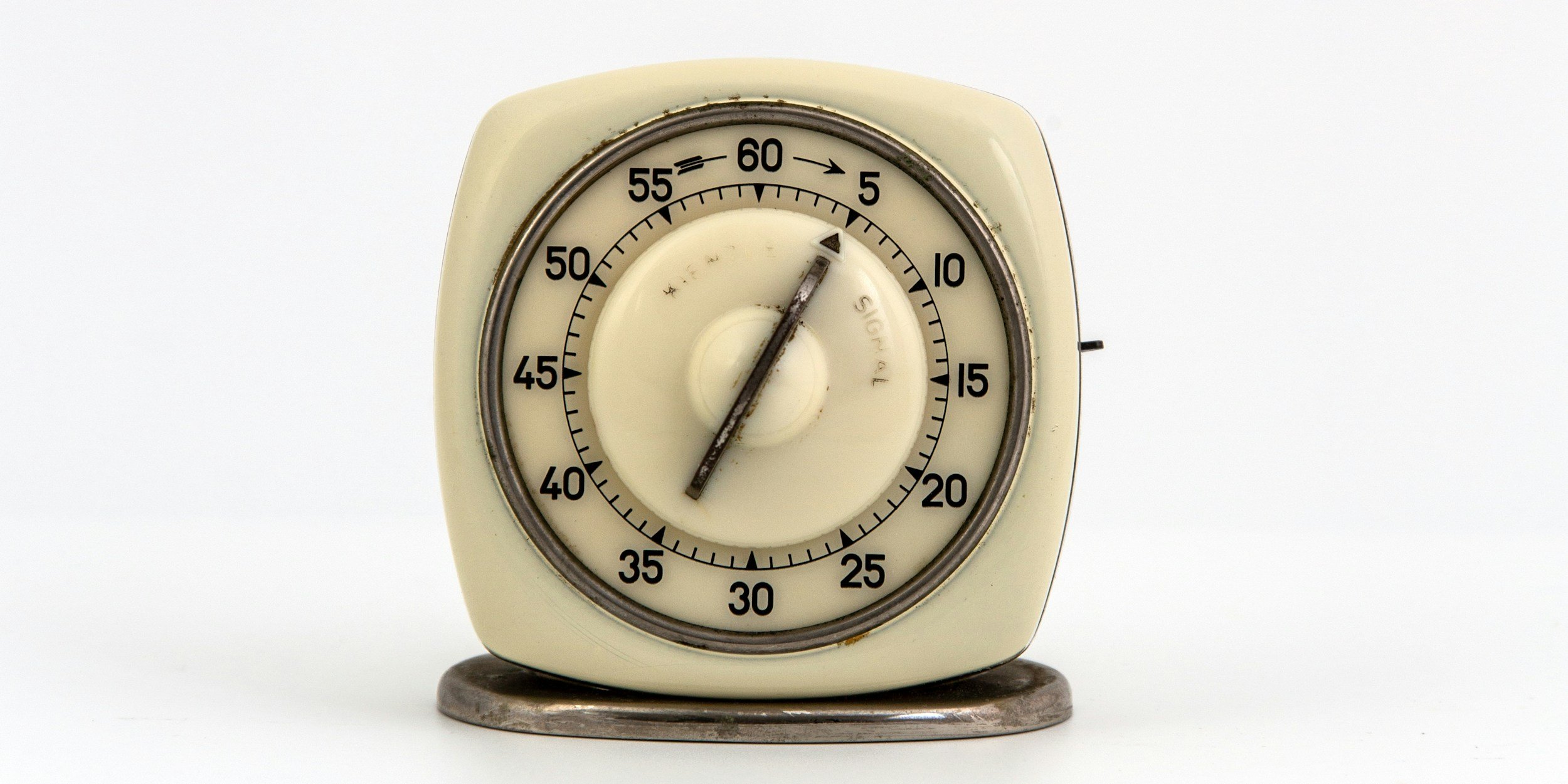
You only have to move for five minutes. Then you can stop. And actually stop.
No hidden expectations. No pressure to keep going. Five minutes is the finish line.
That’s what makes it powerful.
Why Five Minutes Changes Everything
Five minutes does not trigger the same resistance as a full workout. Your brain doesn’t argue with it as much. It doesn’t feel like a threat.
This works for a few key reasons:
It feels manageable
Five minutes doesn’t require hype or mental preparation. It feels doable even on low-energy days.
It breaks the “if I can’t do it all, I won’t do anything” cycle
Many people avoid exercise because they feel it has to be intense or long to count. Five minutes remind you that movement doesn’t have to be perfect to matter.
Exercise counts when you do it. The amount of time doesn’t discredit any type of movement.
Starting creates momentum
Once your body is moving, continuing often feels easier. Not always, but often enough to matter.
And if you stop after five minutes? That still counts.
The Rule Only Works If You Mean It
This part is important:
You actually have to allow yourself to stop.
If five minutes secretly means “five minutes, but I really should do more,” your brain will catch on. The resistance comes back. You can’t trick your brain with the above. That is how we got here in the first place.
Five minutes is a success on its own. Anything beyond that is optional.
What Counts as Movement?
This isn’t about squeezing a workout into five minutes. It’s about lowering the mental barrier to starting.
Movement can look like:
Walking outside
Gentle stretching
Bodyweight exercises at home
Light cardio
Mobility work
Learning a dance from TikTok
There’s no requirement to break a sweat or follow a plan.
When the 5-Minute Rule Is Most Useful
This approach is especially helpful when:
You’re rebuilding a habit
You feel overwhelmed or out of shape
You’re returning after a long break
You struggle with gym anxiety
Your motivation feels inconsistent
On hard days, five minutes might be all you do. On easier days, it might turn into more. Both outcomes are valid.
What Changes Over Time
When people use the 5-Minute Rule consistently, something shifts.
Exercise stops feeling like a mental argument. Showing up becomes easier. Guilt fades. Confidence builds quietly.
Movement becomes something you return to and not something you constantly restart.
A Different Way to Think About Progress
Progress doesn’t come from forcing yourself to do more. It comes from making movement feel safe enough to repeat. Consistently.
Five minutes might not feel impressive. But it’s often the difference between doing nothing and doing something.
And something done consistently adds up.
Final Thoughts
If you’ve struggled to stay consistent with exercise, it doesn’t mean you lack discipline. It often means the starting point has been too demanding.
The 5-Minute Rule gives you permission to begin gently and unlocks real change.
You don’t need motivation.
You don’t need a perfect plan.
You just need five minutes.
