What Should I Eat Before and After a Workout?
This is one of the most searched questions in fitness and one of the least important, and I want to say that up front.
You'll find a great deal of content about anabolic windows and nutrient timing and precisely what ratio of protein to carbohydrate to consume within thirty minutes of your last rep. Almost all of it is written for people whose training and diet are already dialed in to the point where those margins matter. If you're working out two or three times a week and trying to build a habit that lasts, the difference between the optimal pre-workout meal and a perfectly reasonable one is somewhere near zero.
What actually matters is that you ate something sensible at some point, that you're not starving or overfull when you start, and that you get enough protein across the day. That's most of it.
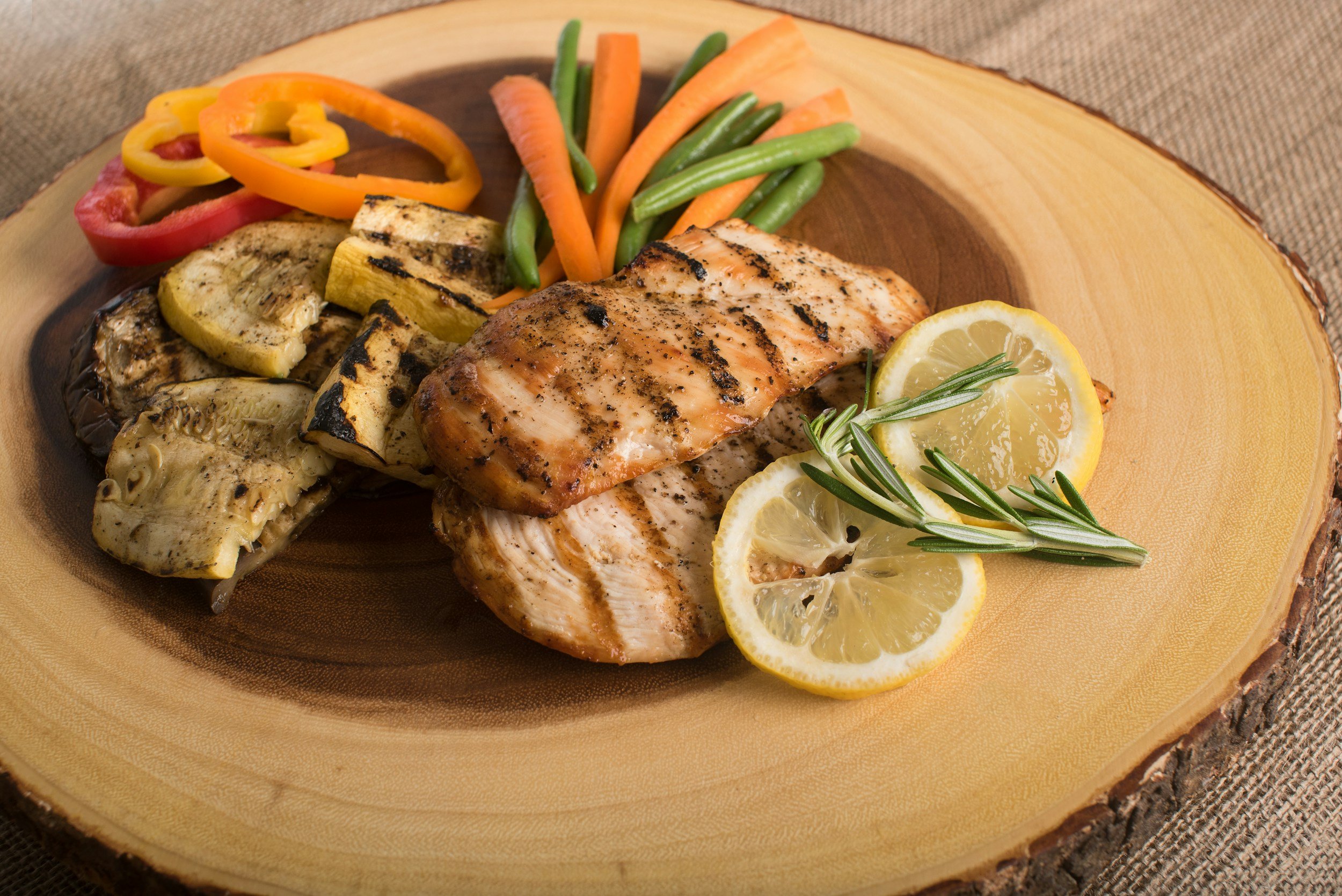
Before: The Only Question Is Comfort
The purpose of a pre-workout meal is to let you train well. It's not to fuel some specific metabolic process. It's so you're not lightheaded, not sluggish, and not thinking about your stomach.
Which makes the timing question people obsess over really a digestion question with an individual answer. Eat a full meal and train an hour later, and some people feel fine while others feel awful. You'll learn which one you are faster by testing it twice than by reading about it for a month.
The general shape: a larger meal wants two to three hours. Something smaller (a banana, toast with peanut butter, yogurt, etc.) works well in the 30- to 60-minute range. Close to training, keep it small and easy to digest, which usually means favoring carbohydrate over fat and fiber, since those slow things down and are the usual culprits when someone feels heavy mid-session.
If you train first thing and eating beforehand makes you nauseous, don't eat. Training fasted is fine for general fitness. Longer or harder sessions do tend to benefit from having eaten, but for a forty-minute strength workout the practical difference is small. Feeling sick is a much bigger threat to your consistency than a marginal drop in output.
The one thing I'd actually push you on is water. Meaningful dehydration impairs exercise performance, with the clearest effects showing up in endurance work and hot conditions (Sawka et al., 2007). Drinking water an hour before is free, and it works, which is more than most pre-workout advice can claim.
After: Protein, Roughly Sometime
Here's where the folklore is thickest.
The thirty-minute anabolic window is one of the most durable myths in fitness, and it's largely been walked back by the people who study it. Reviews of nutrient timing have found that total daily protein intake matters considerably more than whether you ate immediately after training, and the window is far wider than the old advice implied. We’re talking hours, not minutes (Aragon & Schoenfeld, 2013). You aren't going to waste a session because you showered first.
So the post-workout answer is genuinely boring: eat a normal meal with protein in it, within a few hours, most days. Twenty minutes after training is fine. Two hours later because of your schedule is also fine.
What matters more is total daily protein, and it's the one nutrition variable I'd tell a beginner to actually watch. Research on people doing resistance training generally supports somewhere around 1.4 to 2.0 grams per kilogram of body weight per day for building and maintaining muscle (Jäger et al., 2017). For a 180-pound person that's roughly 115 to 165 grams daily. Most people who start training are well under that, and closing that gap will do more for your results than every timing tweak combined.
Carbohydrates afterward help replenish energy, and they matter most if you're training hard, training twice a day, or doing long endurance work. For a few strength sessions a week, eating normally handles it.
What Not to Bother With
Protein powder isn't necessary. It's convenient, and convenience has real value if hitting your target from food is hard. But it isn't magic, and it isn't better than chicken. Pre-workout supplements are mostly caffeine plus a list of ingredients with weak evidence at the doses provided. Coffee costs a dollar and you know exactly what you're getting. And if you train in the evening, the caffeine in a scoop can wreck your sleep, which affects your training far more than the pre-workout did. BCAAs are essentially unnecessary if you're eating adequate protein, which is the whole population this article is for.
This last one I feel strongly about: don't turn eating into another arena where you can fail. If your rule is that you must consume a specific meal at a specific interval, then every day the schedule doesn't cooperate becomes a day you did fitness wrong. That's a lot of new opportunities for guilt purchased in exchange for a benefit you probably can't detect. Perfectionism about nutrition timing has ended more fitness attempts than suboptimal nutrition timing ever has.
So: eat something an hour or two before if it sits well with you, or don't if it doesn't. Drink water. Eat a normal meal with protein afterward, whenever it fits. Get enough protein across the whole day, which is the part that actually matters.
That's the entire evidence-supported answer for someone training a few times a week, and it fits in four sentences.
If you ever reach the point where nutrient timing is your limiting factor, you'll know, because everything else will already be handled. Until then, this isn't what's standing between you and progress.
One note: this is general information for healthy adults, not individual advice. If you have diabetes, a history of disordered eating, or any condition affecting how you handle food or blood sugar, talk to a doctor or registered dietitian who knows your situation.
