How Many Reps Should I Be Doing?
The above is the magic question when it comes to every single piece of fitness content. Stop me if you’ve heard this one before: “do 20 of these every week, and you will be feeling great in no time.”
One source says 8-12 reps. Another says 15-20. Someone swears by sets of 5. Your friend does 3 reps of heavy weight. An influencer does 25+ reps until failure.
What's the right number? Does it even matter?
Here's the truth: rep ranges matter, but they're not as complicated as fitness culture makes them seem. The “right” number depends on what you're trying to achieve.
What Reps and Sets Are
A rep (repetition) is one complete movement of an exercise.
One squat = lowering down and standing back up
One push-up = lowering and pushing back up
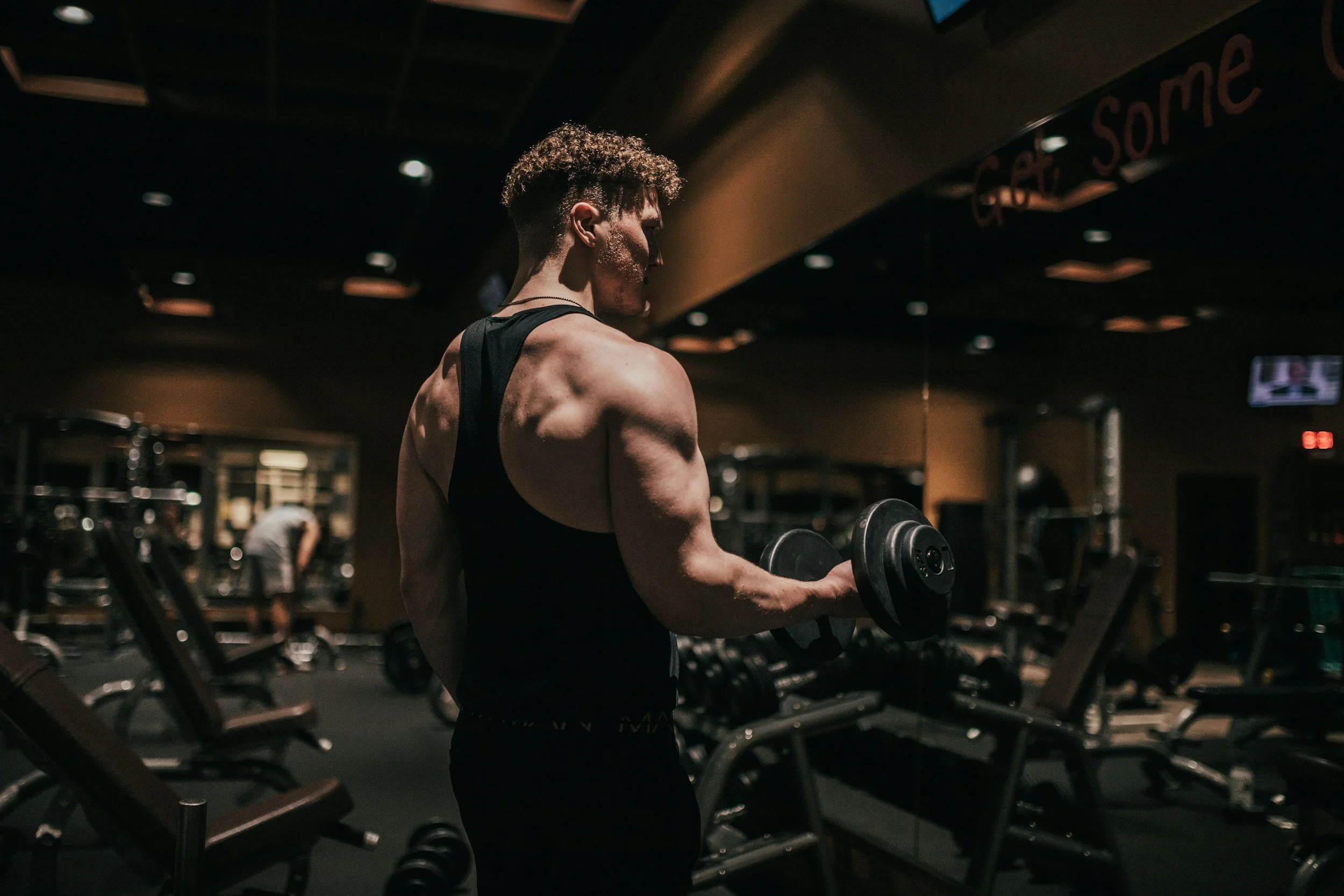
One bicep curl = lifting the weight and lowering it
A set is a group of consecutive reps without rest.
"3 sets of 10 reps" means do 10 squats, rest, do 10 more, rest, and do 10 more.
How Different Rep Ranges Work
Your body responds differently to different rep ranges.
Low Reps (1-5)
What it does: Builds maximum strength. Your nervous system becomes more efficient at recruiting muscle fibers.
Weight: Heavy (you can only manage 1-5 reps)
Who uses this: Powerlifters and athletes training for maximum strength.
For beginners: Not recommended. Heavy weight with low reps requires excellent form and body awareness. You'll benefit more from higher reps while learning movements.
Medium Reps (6-12)
What it does: Builds both strength and muscle size. This is the "sweet spot" for most people.
Weight: Moderate to moderately heavy (challenging, but you can complete 6-12 reps)
Who uses this: Most people train for fitness, muscle building, or appearance.
For beginners: Excellent starting point. Provides a challenge while allowing practice of movement patterns.
High Reps (15-20+)
What it does: Builds muscular endurance. Your muscles get better at sustaining effort over time. Also builds some muscle and strength, especially for beginners.
Weight: Light to moderate (you can complete 15-20+ reps)
Who uses this: People focused on endurance, rehabilitation, or those who prefer lighter weights.
For beginners: Also excellent. Lower weight reduces injury risk while building familiarity with movements.
Research shows various rep ranges can build muscle and strength, with the optimal range depending on individual goals (Schoenfeld et al., 2017).
Matching Reps to Your Goal
You Want to Get Stronger
Reps: 3-6 Sets: 3-5 Weight: Heavy Rest: 2-3 minutes between sets
Example:
Squats: 4 sets of 5 reps
Bench press: 4 sets of 5 reps
Deadlifts: 3 sets of 5 reps
You Want to Build Muscle
Reps: 8-12 Sets: 3-4 Weight: Moderate to moderately heavy Rest: 60-90 seconds
Example:
Chest press: 3 sets of 10 reps
Rows: 3 sets of 10 reps
Shoulder press: 3 sets of 12 reps
You Want Endurance
Reps: 15-20+ Sets: 2-3 Weight: Light to moderate Rest: 30-60 seconds
Example:
Leg press: 3 sets of 20 reps
Dumbbell exercises: 3 sets of 15 reps
Bodyweight exercises: 2 sets of 20+ reps
You Want General Fitness
Reps: 8-15 Sets: 2-3 Weight: Moderate Rest: 60-90 seconds
Example:
Squats: 3 sets of 10 reps
Push-ups: 3 sets of 12 reps
Rows: 3 sets of 10 reps
This suits most people and provides balanced development.
What Beginners Should Actually Do
If you're new, the specific rep range matters less than you think.
For your first 8-12 weeks:
Focus on form: Rep range doesn't matter if form is terrible.
Build consistency: Showing up regularly matters more than optimizing reps.
Develop awareness: Understanding how exercises should feel takes practice.
Recommended starting point:
2-3 sets of most exercises
10-15 reps per set
Weight light enough to complete all reps with good form, challenging enough that the last 2-3 reps require effort
This provides enough volume to learn and build foundational strength without overwhelming you.
After 3+ months, experiment with different ranges based on your goals.
Choosing the Right Weight
The rep range only works if you're using an appropriate weight.
If Your Goal Is 10 Reps
Too light: You could easily do 15-20 reps. Nothing feels challenging.
Too heavy: You can only complete 5-6 reps before form breaks down.
Right weight: You complete 10 reps with good form. The last 2-3 reps feel challenging but achievable. You could maybe do 1-2 more if forced, but not many.
The Simple Test
Can complete target reps easily and could do many more? Increase weight next session.
Can't complete target reps with good form? Decrease weight next session.
Last 2-3 reps feel challenging, but you complete them with reasonable form? Weight is right.
Common Mistakes
Using Too Heavy Weight
Using a weight too heavy to maintain form creates injury risk and limits progress.
If you can't complete your target reps with good form, the weight is too heavy, regardless of how impressive it seems.
Never Changing Weight
If you've used the same weight for months, your body has adapted. You're maintaining, not progressing.
Gradually increasing the challenge over time drives improvement. Occasionally, increase weight (even small amounts), add reps, or add sets.
Thinking One Range Is "Best"
Unless training for specific sport demands, variety in rep ranges often produces better overall results than rigidly sticking to one.
Mixing ranges throughout your week provides varied stimulus and prevents plateaus.
Progressing Over Time
When to Increase Weight
Pattern:
Start with the weight you can complete for target reps (3 sets of 10)
Once you complete all sets comfortably (10, 10, 10), increase the weight
New weight might drop reps initially (8, 8, 7)
Build back to full reps (10, 10, 10)
Increase weight again
This creates sustainable progression.
When to Add Reps
If you're comfortable with your current weight, progress by adding reps instead.
Example:
Week 1: 3 sets of 10
Week 2: 3 sets of 11
Week 3: 3 sets of 12
Week 4: Increase weight, return to 10 reps
Both strategies work.
Different Exercises, Different Reps
Not every exercise needs the same rep range.
Big movements (squats, deadlifts, bench press): Often lower reps (5-10) because they're more fatiguing and require more focus.
Smaller movements (bicep curls, calf raises): Often higher reps (10-15+) because they're less demanding.
Example workout:
Squats: 4 sets of 6 reps (strength focus)
Romanian deadlifts: 3 sets of 10 reps
Leg curls: 3 sets of 15 reps
Calf raises: 3 sets of 20 reps
This variety provides different training stimuli.
The Bottom Line
How many reps should you do?
Beginners: 10-15 reps for 2-3 sets builds strength, muscle, and endurance while you learn form.
General fitness: 8-12 reps for 2-4 sets provides balanced development.
Specific goals: Adjust based on priority. For strength (3-6 reps), muscle (8-12 reps), or endurance (15-20+ reps).
Most importantly: The best rep range is the one you'll actually do consistently with good form and appropriate weight.
Perfect optimization matters far less than:
Showing up regularly
Using proper form
Challenging yourself appropriately
Progressing gradually
Don't overthink it. Pick a reasonable range for your goal, use weights that make those reps challenging, and be consistent.
