Why Self-Compassion Fuels Long-Term Success
Most of us were taught, whether directly or indirectly, that success comes from being tough on ourselves. Push harder. Don’t let yourself slip. Hold yourself accountable at all costs. And for a while, that “grind mentality” might work.
But if you’ve ever burned out, quit, or felt like you were constantly starting over, there’s a good chance pressure wasn’t helping as much as you thought.
Self-compassion isn’t about doing less. It’s about creating a mindset that lets you keep going.
What Self-Compassion Really Looks Like
Self-compassion doesn’t mean ignoring effort or pretending things don’t matter. It means how you respond when things don’t go perfectly which, realistically, is most of the time.
Instead of spiraling after a missed workout or a rough week, self-compassion sounds like:
“Today didn’t go how I planned, and that happens.”
“I didn’t fail, I just paused.”
“I can pick this back up without punishing myself.”
That difference matters more than most people realize.
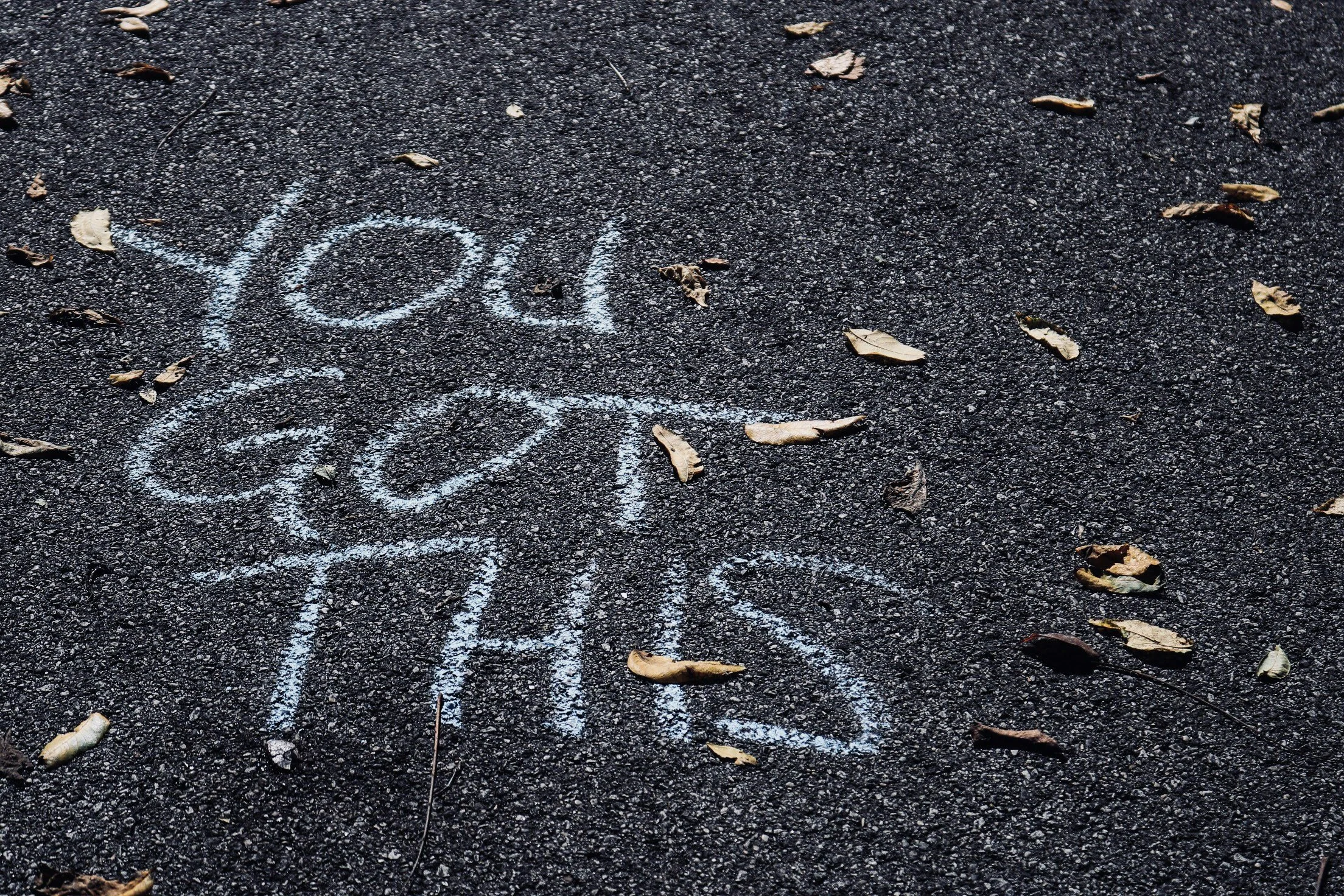
Why Being Hard on Yourself Usually Backfires
Being overly critical can create short-term urgency, but it also adds emotional weight. When fitness starts to feel like a test you’re always failing, it becomes something your brain tries to avoid.
That’s when you see patterns like:
Skipping workouts because you feel behind
Waiting for the “perfect” time to restart
Giving up after one off week
It’s not a motivation issue. It’s a response to pressure.
Take the gym. By the very definition, it can go against our core psychological needs. The need for relatedness? Everyone has their headphones on. The need for competence? I don’t know what I am doing half the time. The need for autonomy? Everyone looks like they know what they are doing except me.
Self-Compassion Makes Consistency Possible
Long-term success isn’t about never missing a day. It’s about how quickly and calmly you return.
When you approach fitness with self-compassion:
Missing once doesn’t turn into quitting
Lower-energy days don’t feel like personal failures
You stay connected to the habit, even when it’s imperfect
Consistency comes from feeling safe enough to keep showing up, not from fear of messing up.
The Link Between Self-Compassion and Motivation
Motivation tends to fade when something feels heavy or discouraging. Self-compassion lightens that load.
When you’re kinder to yourself:
Starting doesn’t feel as intimidating
You’re less likely to overthink every decision
Trying again feels possible instead of exhausting
That’s why people who practice self-compassion often stick with habits longer. They’re not relying on constant motivation rather, they’re removing the emotional roadblocks.
How This Applies to Fitness in Real Life
In everyday fitness terms, self-compassion might look like:
Doing a short walk instead of skipping movement entirely
Adjusting expectations during a stressful week
Letting a workout be “good enough” instead of perfect
None of this means you stop progressing. It means you stop quitting on yourself.
Long-Term Success Is Built on Self-Trust
The habits that last are the ones that don’t feel emotionally draining to maintain.
Self-compassion builds trust. You start to believe that:
You won’t give up just because things get messy
You’re allowed to restart without guilt
Progress doesn’t disappear after one off day
That trust is what turns effort into routine and routine into results.
How to Start Practicing Self-Compassion
You don’t need to overhaul your mindset overnight. Start with awareness:
Notice how you talk to yourself after setbacks
Ask what made a day hard instead of assigning blame
Give yourself permission to continue without “making up for” anything
These small shifts change how fitness feels. And when fitness feels manageable, it becomes sustainable.
The Bottom Line
Long-term success isn’t about being tougher or grinding longer. It’s about being steady.
Self-compassion helps you stay in the process long enough for change to actually happen.
