The Science of Habits: How to Build a Routine That Sticks
If you’ve ever told yourself, “This time will be different,” only to fall out of a routine weeks later, you’re not alone.
Most people don’t struggle because they don’t care enough. They struggle because no one ever explained how habits actually work. Fitness routines don’t fall apart due to a lack of motivation. They fall apart because they’re built in ways that don’t match how the brain handles change.
Let’s talk about what really helps routines stick and how to build one that feels realistic instead of exhausting.
Why Motivation Always Lets You Down Eventually
Motivation gets a lot of attention in fitness spaces, but it’s unreliable by nature. Some days you wake up ready to move. Other days, just getting through work feels like enough.
That’s normal.
Psychologically speaking, motivation comes and goes. Habits are different. Once something becomes part of your routine, it takes less effort to repeat. You don’t debate it. You don’t negotiate with yourself. You just do it.
This is why people who seem “disciplined” aren’t pushing harder than everyone else. They’ve built routines that don’t require constant emotional energy.
How Habits Actually Form
Most habits follow a simple pattern, even if we don’t notice it happening.
Something triggers the behavior. You do the behavior. Then you get some kind of payoff, even if it’s subtle.
That payoff matters more than people realize. If your routine feels draining with no clear benefit, whether physically or emotionally, your brain won’t prioritize it.
This is why routines built around punishment or guilt rarely last. Your brain is wired to repeat what feels rewarding, not what feels like a chore.
Why “Starting Small” Isn’t a Cop-Out
There’s a reason tiny habits work, even if they don’t look impressive on paper.
Big changes demand attention, energy, and planning. Small actions don’t. And the brain prefers what feels manageable.
When you do something small and keep your promise to yourself, it builds trust. That trust makes the next step feel easier.
A short walk. A few minutes of movement. One gym machine. These aren’t shortcuts, they’re foundations.
The Role Identity Plays in Consistency
One of the most overlooked parts of habit-building is identity.
When your goal is only about results (weight loss, strength, endurance, etc.), it’s easy to feel discouraged. Progress can feel slow. Inconsistencies feel like failure.
But when habits are tied to identity, the pressure shifts.
Instead of thinking, “I need to work out,” it becomes, “I’m someone who shows up for myself.”
Each small action reinforces that identity. You don’t wait to feel confident, you build confidence by doing.
Make the Habit Easier Than Not Doing It
Your environment has more influence than willpower ever will.
When something is inconvenient or mentally taxing, your brain looks for an easier option. That’s not weakness, that’s efficiency. This efficiency is written about in our Beginner Guide.
Small adjustments help more than big promises:
Clothes laid out ahead of time
Choosing a gym time that feels calm
Picking movement that doesn’t spike anxiety
When the barrier is low, consistency becomes possible.
Why Consistency Matters More Than Effort
Intensity gets praised. Consistency gets results.
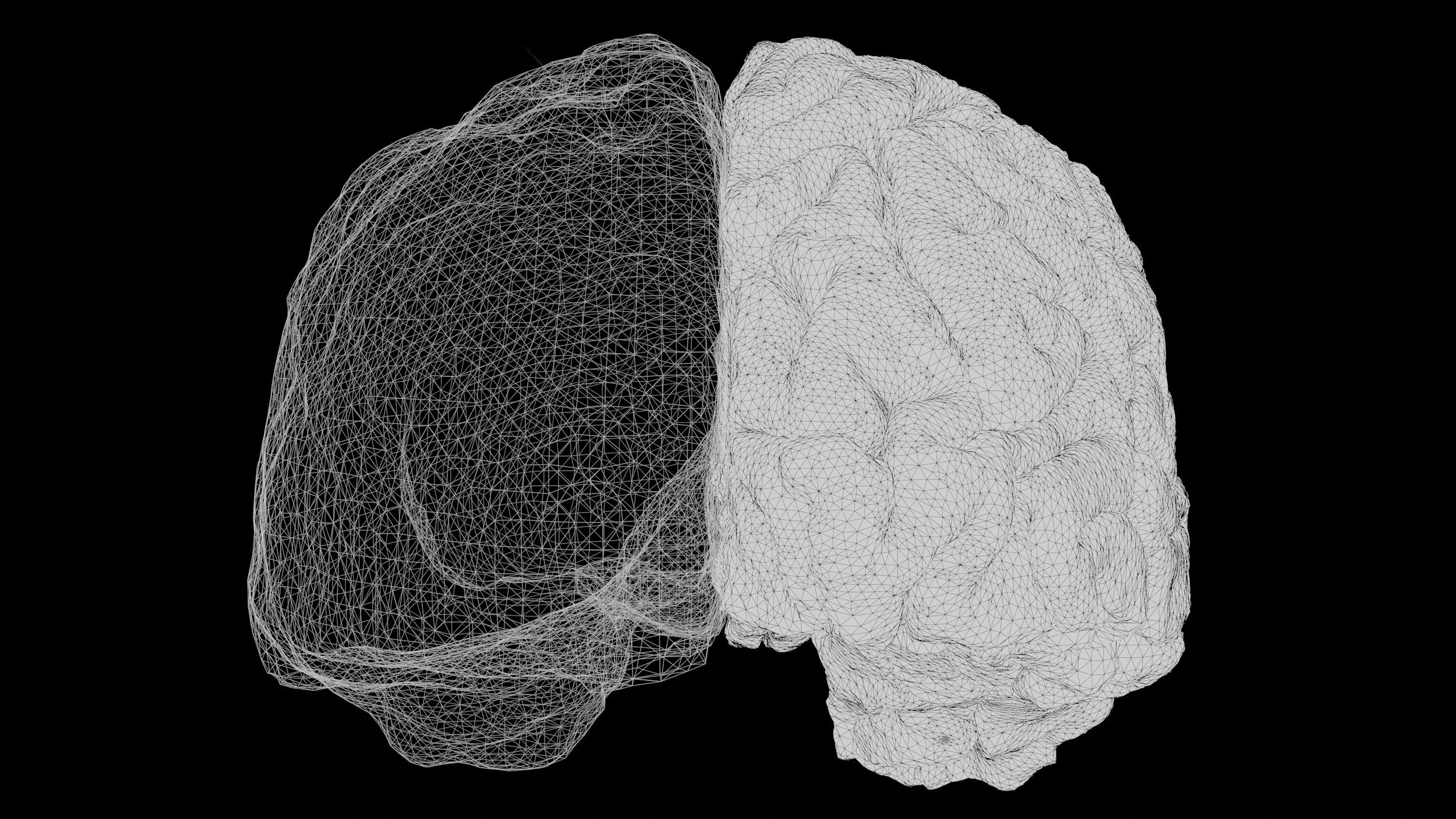
From a psychological standpoint, repeated actions, even low-effort ones, strengthen neural pathways. Over time, the behavior becomes familiar instead of foreign.
Showing up in small ways teaches your brain that this is part of your life now. That sense of familiarity is what turns effort into routine.
Expect Resistance (And Don’t Panic When It Shows Up)
Even positive change can feel uncomfortable at first. Your brain prefers what it knows, even if it isn’t ideal.
That internal resistance doesn’t mean you’re doing something wrong. It means you’re doing something new.
Instead of forcing yourself through it, try adjusting the expectation. Lower the bar. Shorten the session. Keep the promise small.
Progress doesn’t disappear because you slow down. It disappears when you stop entirely.
There’s No Perfect Timeline for Habits
You’ve probably heard rules about how long habits take to form. In reality, it depends on the person, the behavior, and the season of life.
What matters more than timing is repetition without self-judgment.
Missing a day doesn’t erase progress. Getting back to it builds resilience.
Build a Routine That Fits Your Real Life
The best routine isn’t the most impressive one. It’s the one that works on your busiest, least motivated days.
Ask yourself:
What feels doable right now?
When does movement feel least stressful?
What version of consistency can I maintain?
Your routine should support your life, not compete with it.
Final Thoughts
Building habits isn’t about forcing discipline or waiting for motivation to show up. It’s about understanding how your brain works and being kind enough to work with it.
Small steps. Clear rewards. Realistic expectations.
That’s how routines stick. And that’s how change lasts.
