The Link Between Exercise and Dopamine
Most people know exercise can improve their mood (or at least hear about it over and over), but fewer understand why it does. One of the biggest reasons comes down to a brain chemical called dopamine.
Dopamine plays a role in motivation, focus, learning, and how your brain decides what’s worth repeating. When exercise affects dopamine, it doesn’t just make you feel good in the moment, it changes how your brain relates to effort over time.
What Dopamine Really Does in the Brain
Dopamine is often described as the “feel-good” chemical, but that’s only part of the picture. Its real job is helping your brain decide what matters.
Dopamine helps you:
Want to start something
Stay engaged while doing it
Remember experiences that felt rewarding
Learn from effort and repetition
When dopamine systems are working well, your brain is better at linking effort with positive outcomes. That connection is a big part of why habits form. Positive experiences lead to positive feelings and positive outcomes, with a desire to return to that experience…positively.
How Exercise Influences Dopamine
Exercise affects dopamine in more than one way, and the changes aren’t just short-term.
Exercise Encourages Dopamine Release
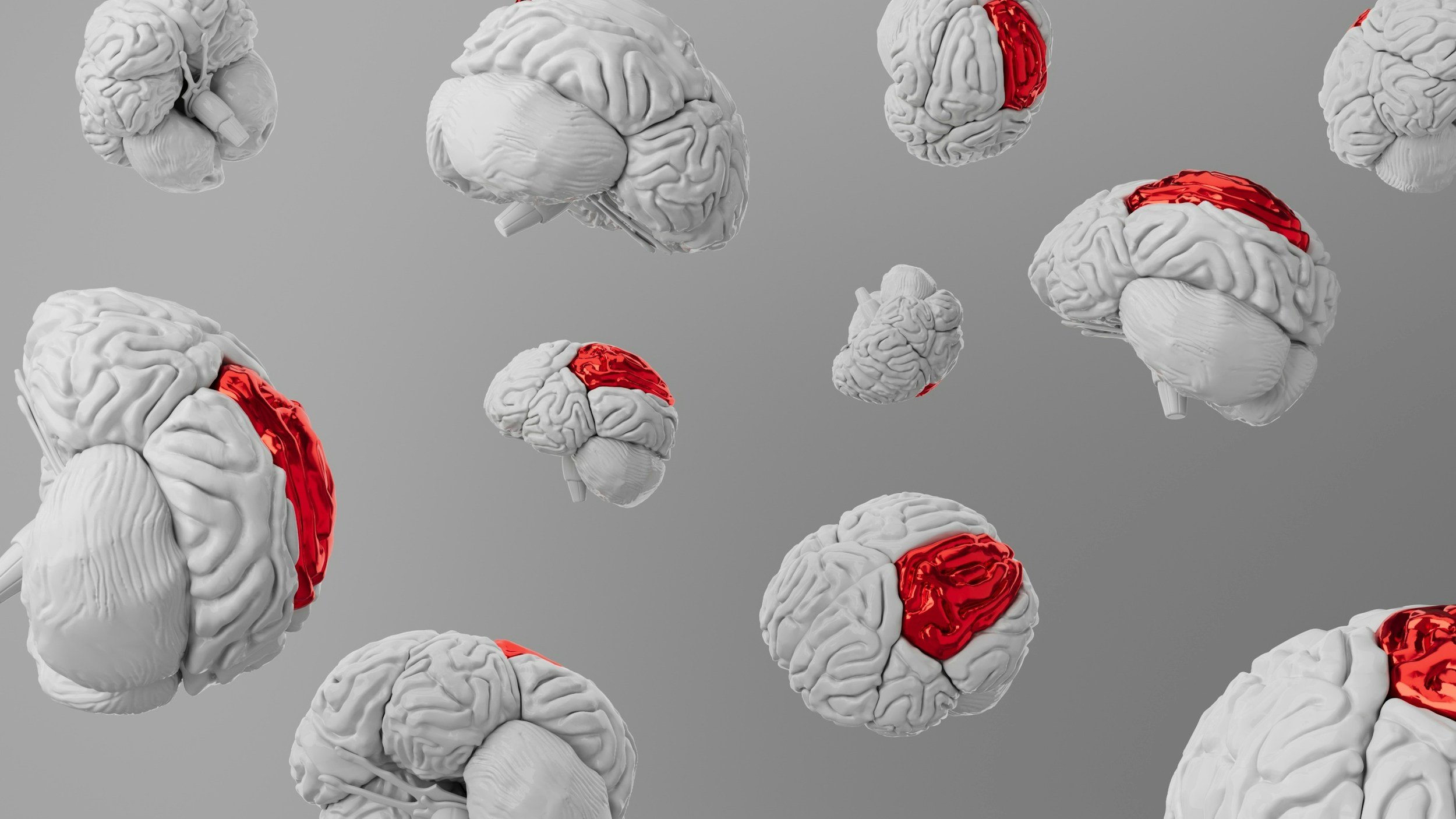
Physical activity increases activity in brain regions that produce and release dopamine. This helps explain why movement can feel mentally refreshing or motivating afterward.
Exercise Helps Dopamine Work More Efficiently
Research suggests regular physical activity can improve how dopamine communicates with its receptors. In simple terms, your brain becomes better at using the dopamine it already has.
Exercise Strengthens Motivation-Related Brain Circuits
The parts of the brain involved in drive and reward respond positively to consistent movement. Over time, this makes your brain more likely to associate effort with something positive instead of draining.
Why Movement Starts to Feel “Worth It”
When dopamine is involved, your brain starts tagging exercise as meaningful and positive.
That’s why people often notice:
Improved focus after moving
A sense of calm or clarity
More willingness to show up again
Less mental resistance over time
It’s not that every workout feels amazing. It’s that your brain remembers the overall benefit and slowly becomes more open to repeating the behavior.
Dopamine, Exercise, and Motivation Over Time
One important thing to understand: dopamine doesn’t create motivation out of nowhere.
Instead, it helps reinforce patterns.
When you move regularly, your brain learns that effort doesn’t lead to punishment. It leads to relief, clarity, or satisfaction. That learning process makes future action feel less intimidating.
This is why consistency often matters more than intensity.
What This Means If Motivation Feels Inconsistent
If motivation feels unreliable, it doesn’t mean something is wrong with you. It usually means your brain hasn’t had enough positive repetition yet.
Exercise supports dopamine systems best when:
Movement is repeated regularly
Sessions feel manageable
Pressure stays low
Recovery is respected
Over time, your brain becomes more willing to participate, even on days when excitement is low.
A Practical Takeaway
You don’t need extreme workouts or perfect routines to benefit dopamine function. Short walks, light lifting, or steady movement still send the signal your brain is looking for.
Each time you move, you’re teaching your brain that effort can feel safe and sometimes even rewarding.
That lesson adds up.
Final Thought
Dopamine helps connect movement with meaning. When that connection strengthens, consistency becomes less about willpower and more about familiarity.
That’s how habits start to stick.
