A Beginner's Guide to Gym Machines
Machines get treated as the kiddie pool of the gym. Free weights are where the serious training happens (if you ask any gym influencer). Machines are what you use until you know better.
That's mostly snobbery. For someone new, machines have a real advantage that isn't about being easier: they remove most of the ways you can get a movement wrong. The machine holds the path for you, so your attention goes to working the muscle rather than balancing, stabilizing, and worrying about whether your form is falling apart.
The evidence is less dramatic than either camp suggests. One trial comparing machine-based and free-weight training found both groups made comparable strength gains over the training period, with differences showing up mainly on measures requiring stability (Schwanbeck et al., 2020). Both work and free weights ask more of your coordination. That's a reason to add them eventually, not to avoid machines now.
There's also a practical argument worth making. People rarely quit because they chose the wrong exercises. They quit because the gym felt bad. Machines have instructions printed on them, obvious start positions, and no possibility of dropping anything on yourself. If starting on machines is the difference between training and not training, that settles it.
The Universal Setup
Most of what goes wrong with machines isn't the exercise. It's that people sit down and start without adjusting anything, and every machine has two or three adjustments that matter more than the weight you pick.
Start by matching the pivot point. On any machine where a joint bends (leg extension, leg curl, arm curl) there's a point where the machine's arm rotates, and your joint should line up with it. If the seat is too low on a leg extension, your knee sits below the pivot and the load runs through it at a bad angle. This one adjustment prevents most machine-related aches.
Then set the seat so the handles begin at the right height. On a chest press the handles should sit around mid-chest, not up by your collarbone. On a shoulder press, roughly ear height. If you're reaching up or hunching down to grab them, the seat is wrong.
Move through the full range with light weight before loading it properly. If something pinches or your shoulder rolls forward, adjust rather than pushing through.
Then pick the weight, and definitely start lighter than you think. You want the last two or three reps to be genuinely hard while your form still holds. If twelve reps come easily, it's too light.
One habit worth building: write down your seat settings. Every machine has numbers on the adjustment posts, and noting “chest press, seat 4” saves two minutes of fiddling every session. Almost nobody does it, and it's the single most useful thing for making machines stop feeling awkward.
The Six Machines Worth Knowing
You don't need all of them. These cover the movement patterns that matter.
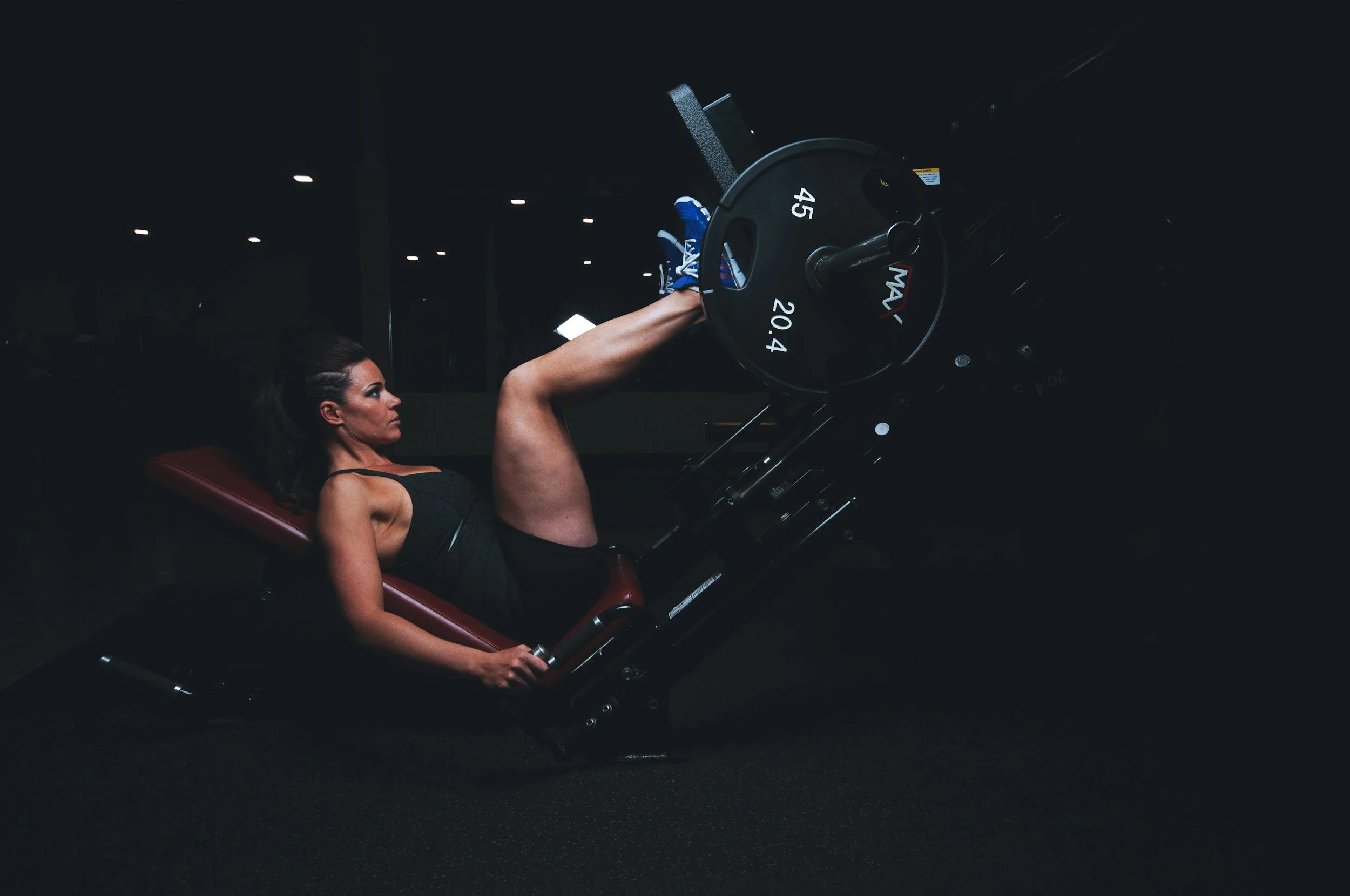
Leg press — pushes weight away with your legs. Quads, glutes, hamstrings, and the best lower-body starting point if squatting feels intimidating. Keep your lower back against the pad. If your hips curl off the seat at the bottom, you've gone too deep.
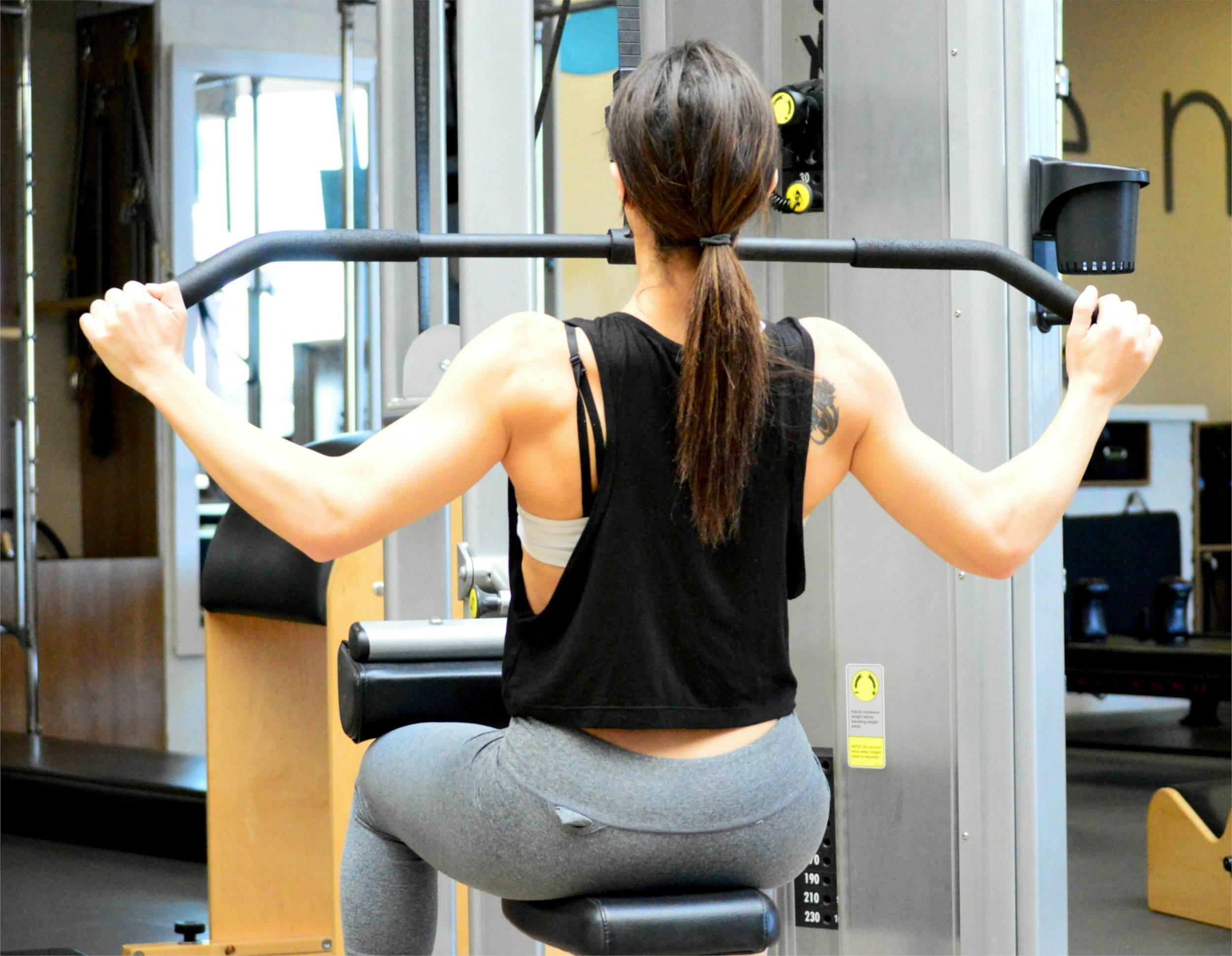
Lat pulldown — pulls a bar down from overhead. Back and biceps, and it builds toward pull-ups. Pull to your upper chest rather than behind your neck, and lead with your elbows instead of yanking with your hands.
Seated row — pulls a handle toward your torso. Back and biceps from a different angle. Most beginners are far stronger pushing than pulling, so this deserves more attention than it usually gets.
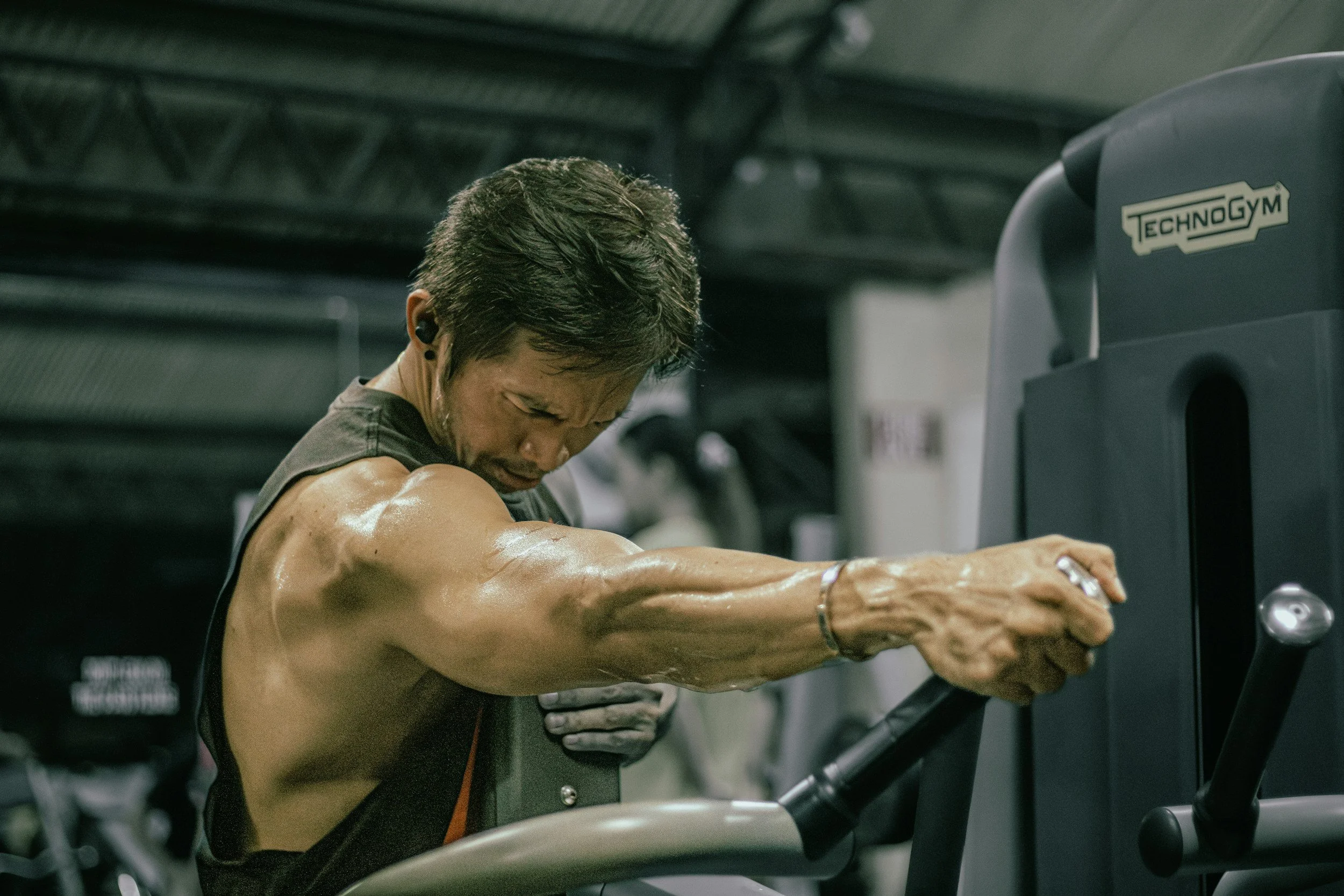
Chest press — pushes handles away from your chest. Chest, front shoulders, triceps. The bench press movement without the balance demand or the need for a spotter.
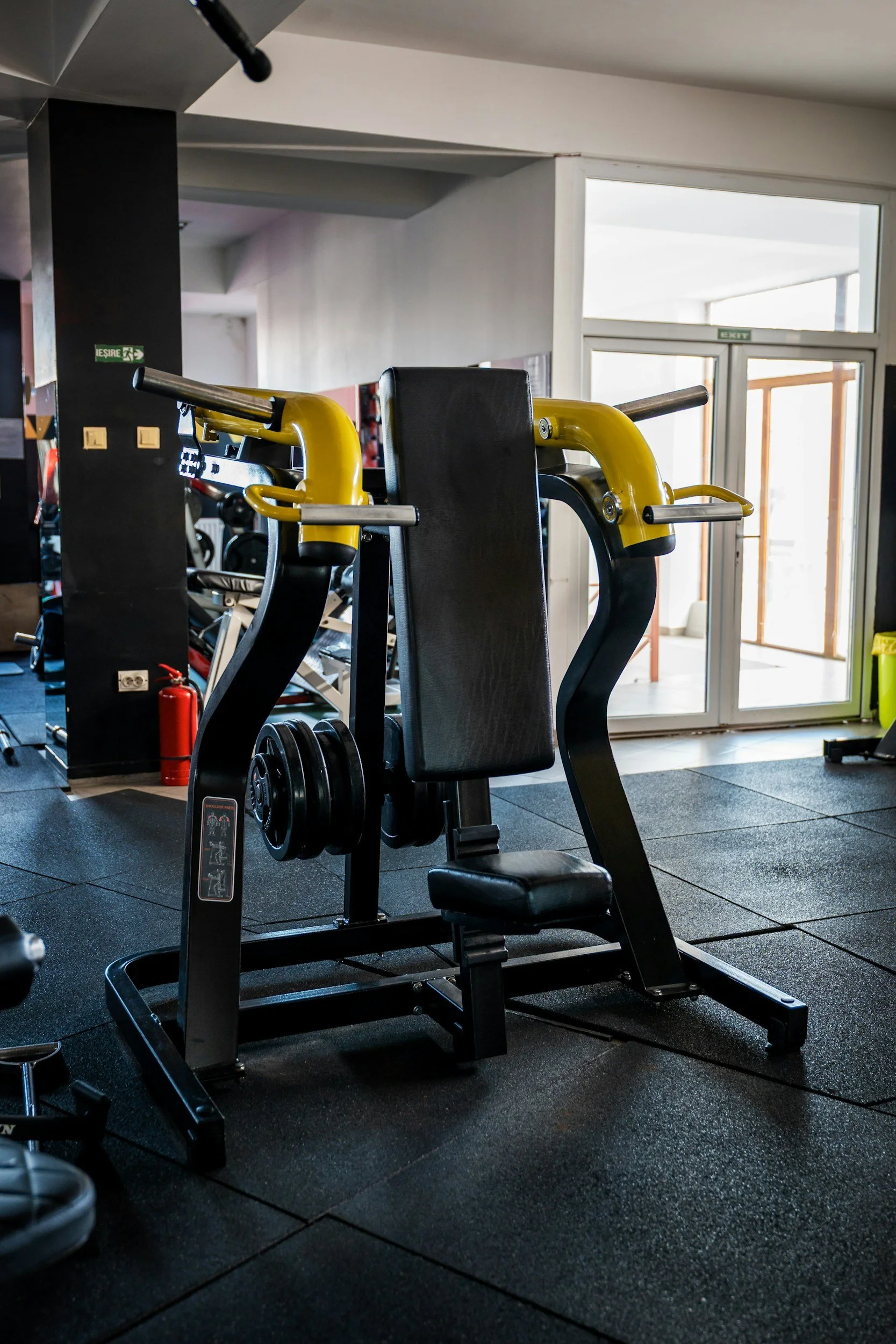
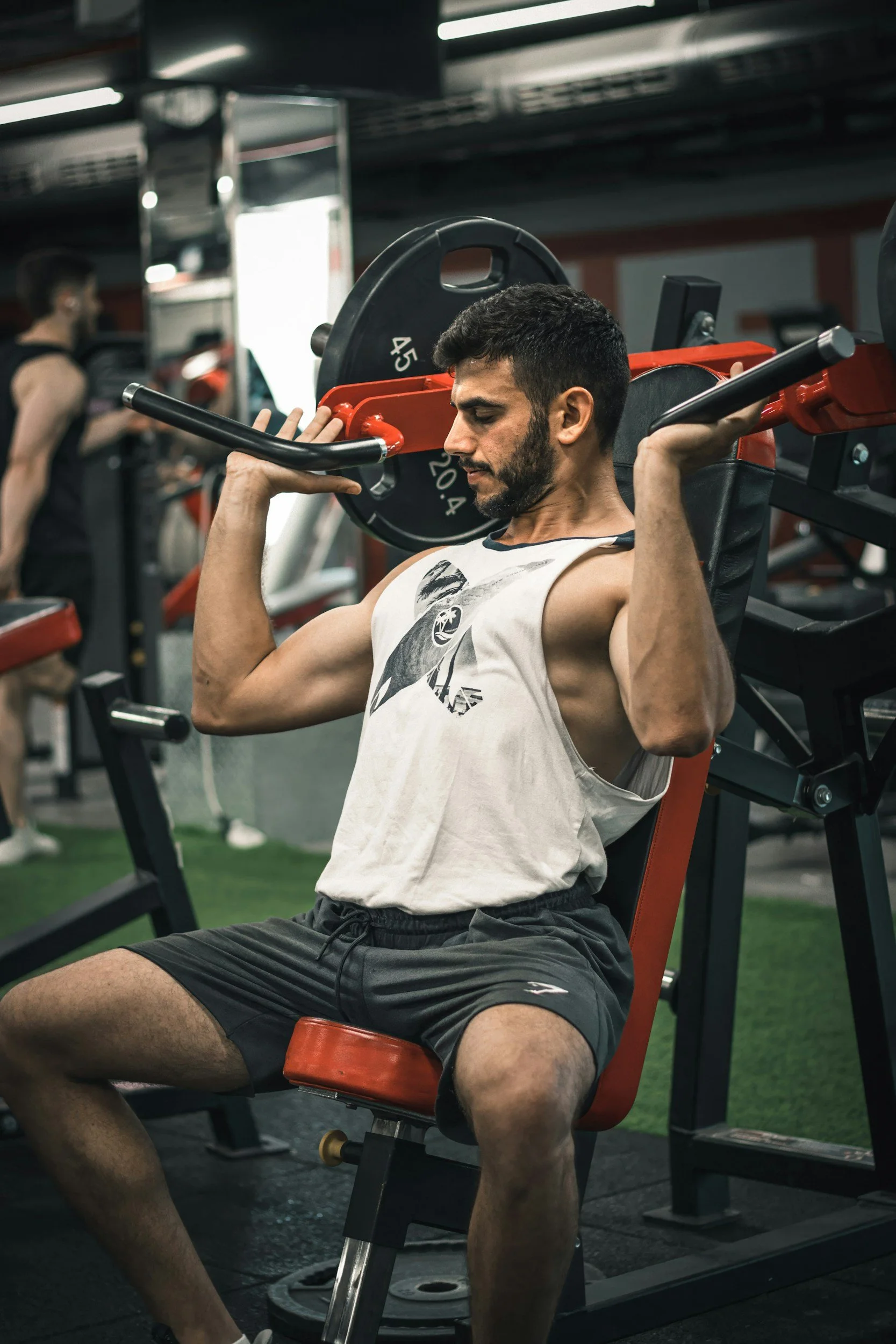
Shoulder press — pushes handles overhead. Shoulders and triceps. Go lighter than you expect. Shoulders are more easily aggravated than most joints.
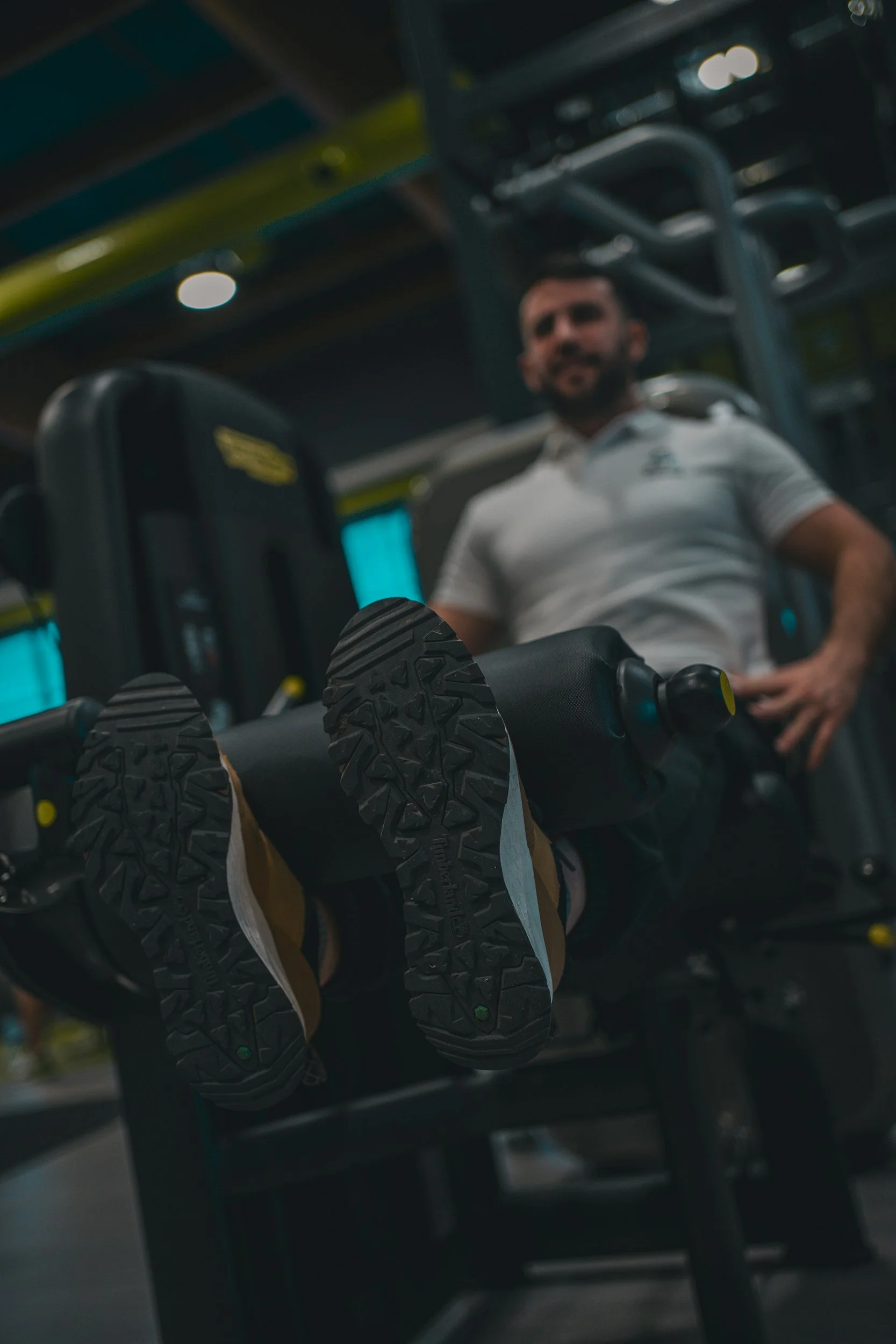
Leg curl — bends your knees against resistance. Hamstrings specifically, which the leg press doesn't train well and most people neglect until something complains.
Those six, two or three sets each, ten to twelve reps, twice a week, is a complete beginner program. Congrats! You have your program.
What to Skip for Now
The abductor and adductor machines (pushing your knees apart or squeezing them together) are popular and fairly low-value for general strength. Not harmful, just not where your limited time should go.
Anything with a setup you can't work out in thirty seconds. No machine is valuable enough to spend your first month wrestling with.
And duplicates. If you've done a chest press you don't also need the pec deck in the same session. Beginners do better with fewer exercises done consistently than a long list done once.
The Awkward Part
At some point you'll sit down facing the wrong way, or start pushing and realise the machine does something other than what you expected, or spend a while hunting for where the pin goes.
This is universal and nobody remembers yours. People at gyms are far less observant of each other than it feels. The tendency to overestimate how much others notice us has been demonstrated repeatedly (Gilovich et al., 2000). The people around you are counting reps, watching a timer, or thinking about their own session.
If you can't work something out, ask a staff member. Twenty seconds, they've answered it a hundred times, and it's what they're there for. Most gyms will walk you through the whole floor for free if you ask, even if you joined months ago.
When to Add Free Weights
There's no fixed point, but a decent signal is when the machines have stopped feeling confusing and you're bored. That usually takes a couple of months.
The transition doesn't have to be wholesale. Swap one machine for its free-weight cousin, goblet squats instead of leg press, dumbbell press instead of chest press, and keep the rest. Free weights demand more coordination, which is exactly their value and also why changing everything at once tends to go badly.
There's no deadline either. Plenty of people train on machines for years and get strong. If machines are what gets you through the door three times a week, that's the correct answer for you.
