How To Stumble and Not Stop When Something Creeps Up
You had a routine. You were consistent. Three workouts a week. Feeling good about progress.
Then it happened.
“It” can be a number of things. Work crisis. Family emergency. Illness. Travel. Burnout. Something outside your control that disrupted everything.
You missed workouts. You lost momentum.
And now you're stuck. Not because you quit, but because you don't know how to resume after a real disruption.
What Happens During Disruption
When something disrupts your routine, a predictable pattern happens.
The Disruption
Something real happens. Work crisis. Illness. Family emergency. Your routine breaks. That's expected.
The Mental Shift
One missed workout becomes “I'm not working out anymore.”
One week of disruption becomes your new identity: “I don't work out.”
Research shows that when people perceive themselves as having failed a goal, they often completely abandon it rather than adjusting (Baumeister & Vohs, 2001).
Your brain wants clear categories. You're either consistent or you're not. Since you're not working out, you're not a person who works out.
The Identity Change
You went from “someone who works out” to “someone who doesn't.”
Once that identity shifts, behavior follows. It feels accurate now. Restarting feels impossible because you're no longer “that person.”
The Long Break
Weeks pass. The disruption ends, but you don't resume. Restarting feels too hard. The break feels permanent.
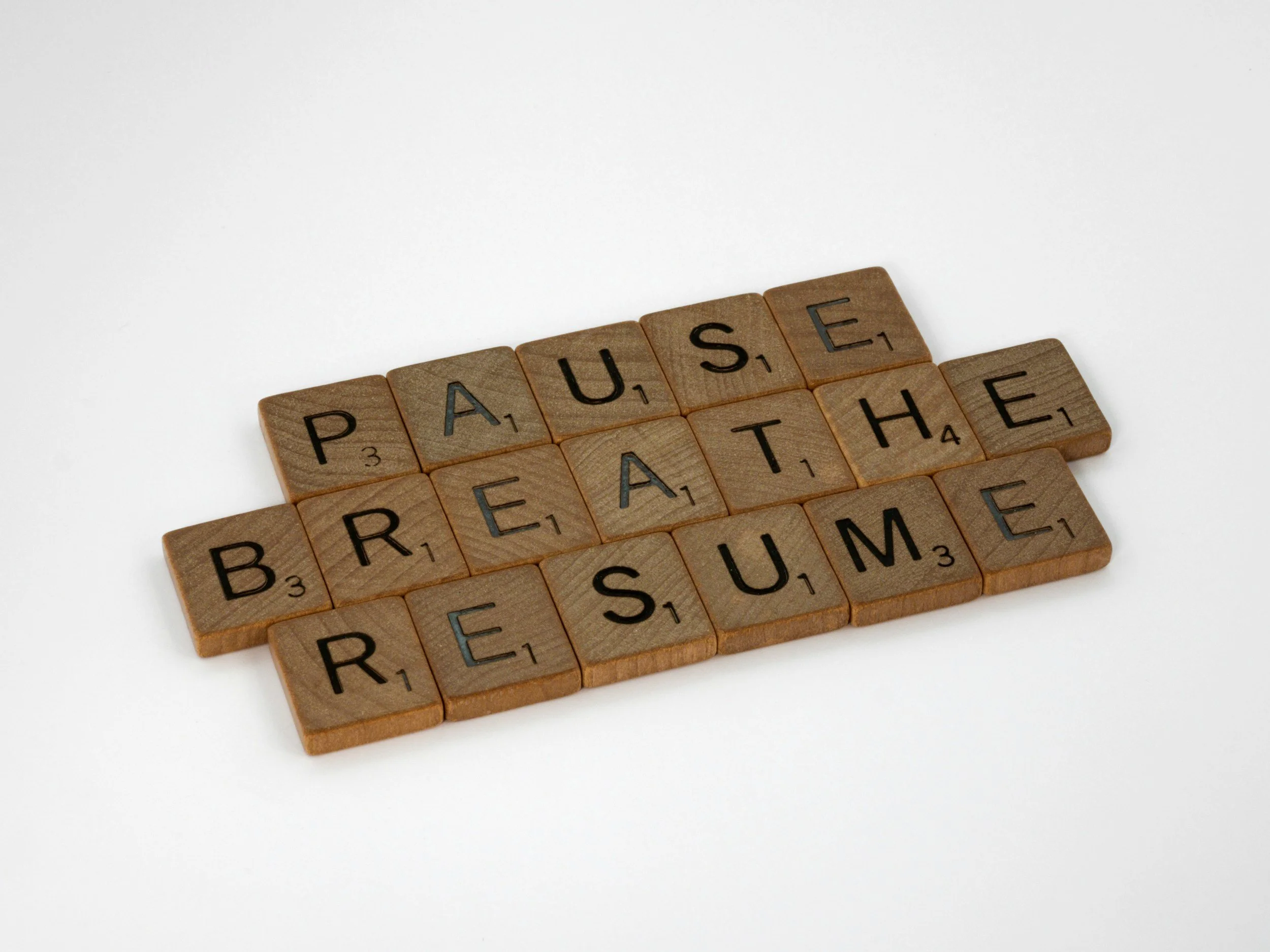
The Key Distinction: Pause vs. Quit
Here's what matters:
Pausing = temporary stop due to circumstances. Quitting = permanent decision to stop.
When something disrupts your routine, you're pausing. Even if it lasts months.
Your identity as “someone who works out” doesn't disappear because you're temporarily not working out. You're just paused.
Research shows that identity persists even when behavior stops if you consciously maintain it (Wood et al., 2005).
“I work out” is still true even when you're not currently working out, as long as you see it as temporary.
During the Disruption
Accept That Fitness Takes a Backseat
Whatever is happening (crisis, illness, chaos) requires your energy. Fitness is the priority that gets cut.
That's the right choice. Stop feeling guilty about missing workouts during a legitimate disruption.
Do Something Small If You Can
If you have capacity for 10 minutes, do it. If you don't, that's okay.
Small movement keeps the habit alive without pressure. But don't force it.
Maintain Identity Mentally
You can't work out right now. But you can remind yourself, “This is temporary. I'm someone who works out. I'm just paused.”
This mental maintenance keeps identity intact even when behavior stops.
Research on stress shows it depletes cognitive resources, making behavior maintenance harder (Baumeister et al., 2000). During disruption, everything is harder. That's expected.
After the Disruption Ends
Notice When Circumstances Shift
At some point, the crisis ends. The illness resolves. You have capacity again.
Notice when this happens. That's your signal to consider resuming.
Don't Wait for Perfect Conditions
Most people think, “Once everything settles down, I'll restart.”
But things never fully settle. There will always be some stress or chaos.
Research shows people who resume goals as soon as circumstances allow are more successful than those waiting for perfect conditions (Locke & Latham, 2002).
Start Smaller Than Before
Before disruption: 3 workouts per week. During: nothing After: 1 workout per week
Rebuild gradually. Your fitness returns quickly, even after extended breaks.
Research on retraining shows that returning to fitness happens faster than initial building (Mujika & Padilla, 2000).
Use Your Paused Identity to Motivate
You're not starting from zero. You're resuming something that's already part of who you are.
“I'm someone who works out” is easier to act on than “I'm trying to start working out.”
You're reactivating a paused identity, not building a new one.
Accept the Rebuild Will Feel Hard
Your first workout back will be harder than you remember. Slower. Weaker.
This is normal. Your fitness returns quickly. Accept the temporary difficulty.
Don't interpret it as failure. It's the natural result of a real disruption.
Practical Steps for Resuming
Step 1: Pick a Specific Restart Date
Not vague (“when things settle”). Specific (“next Monday”).
Specific dates create commitment and reduce decision fatigue.
Step 2: Start Small
First workout back should be smaller than normal. Short duration. Familiar exercise. Something you can definitely complete.
This creates success and rebuilds confidence.
Step 3: Don't Ruminate on the Break
You don't need to apologize for the disruption or justify why you stopped.
You were dealing with something. That was the right choice. Now you're resuming. That's all.
Ruminating creates guilt that blocks resumption.
Step 4: Expect 2-3 Weeks Before It Feels Normal
Restarting will feel hard for the first few weeks. Your routine is disrupted. Your body is out of practice.
After 2-3 weeks of consistency, it gets significantly easier.
Preventing Complete Abandonment
Maintain Some Movement During Disruption
If you can't do your normal routine, can you do anything?
15-minute walk. Stretching. Playing with kids.
Even reduced movement maintains habit strength better than complete cessation (Lally et al., 2010).
Separate Your Behavior From Your Worth
Your value as a person isn't determined by whether you're working out.
During disruption, you're not failing. You're handling something important. That's appropriate.
Remember This Is Temporary
During disruption, consciously tell yourself, “I'm pausing, not quitting.”
This mental framing prevents the complete identity shift from “someone who works out” to “someone who doesn't.”
The Honest Truth
Some disruptions will derail you completely.
And that's okay. If you don't return to fitness, it wasn't the right activity for you at that time.
Some disruptions you'll survive easily.
You'll pause, handle the crisis, and resume without drama.
Most are somewhere in between.
You'll struggle. You might abandon it. You might resume later.
All are normal.
The Bottom Line
When life disrupts your fitness routine, you're pausing, not quitting. Even if the pause lasts months.
During disruption:
Accept fitness takes a backseat
Do something small if you can
Maintain identity mentally
Expect everything to feel hard
After disruption:
Notice when circumstances shift
Start smaller than before
Use identity to motivate resumption
Accept that the rebuild feels hard
Key principle: Pause isn't quit. Identity survives disruption if you consciously maintain it.
Something will creep up. Your routine will break. That's not failure. That's life.
What matters is whether you resume when you're able.
