Fitness Motivation for People Who Hate Exercise
Nearly every article about exercise assumes you want to do it and something is in the way. Time, energy, confidence, a plan. Remove the obstacle and the desire underneath does the rest. YEAH MOTIVATION! Run through a brick wall and all that!
That's not your situation. You don't have an obstacle problem. You've tried it, more than once, and found it unpleasant and genuinely not enjoyable. You're tired of being told you'll learn to love it by people for whom that apparently happened.
Some people don't enjoy exercise. The promise that everyone eventually finds their thing and starts craving it is marketing, and treating it as a guarantee sets you up to conclude you failed at something that was never universal.
That said, “I hate exercise” is almost always more specific than it sounds, and the specificity is where the useful part lives.
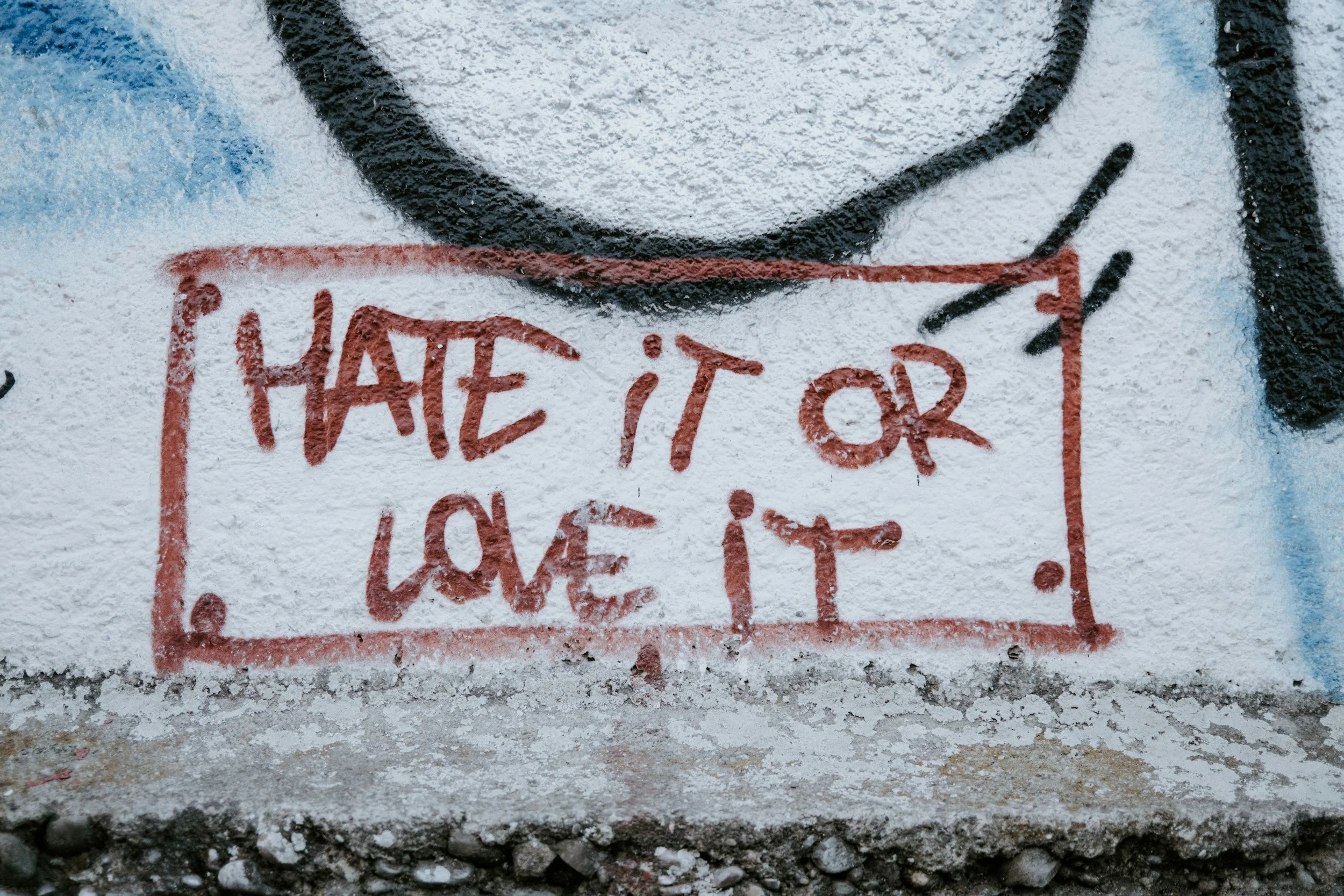
What You Probably Actually Hate
When people say they hate exercise, they usually mean one of a few distinct things, and those aren't equally solvable.
Some hate being out of breath. That's a real physical aversion, and it's worse when you're less fit. It is an unfair loop where the thing that would make it tolerable is the thing you can't tolerate. This one does improve with time, and the misery of week one isn't a preview of month three.
Some hate the boredom. Thirty minutes on a treadmill with nothing happening is genuinely dull, and calling that a motivation problem is unfair. It's a design problem.
Some hate the social environment more than the movement. If you'd cheerfully hike for three hours but can't stand twenty minutes in a gym, the exercise isn't the issue.
Some hate the associations. If you were the last one picked, or exercise was punishment in your house, or you've only ever done it while trying to shrink yourself, it's carrying decades of freight that has nothing to do with how the movement itself feels.
And some hate the framing of it all: the tracking, the optimizing, the sense that your leisure time got converted into another arena with metrics.
These need different responses. Someone who hates being winded needs patience and lower intensity. Someone who hates gyms needs a different room. Someone carrying old associations needs different framing entirely. Lumping them together as "I'm not motivated" is why nothing has worked.
Stop Trying to Enjoy It
You've been told to find something you enjoy, and there's real research behind it: people who exercise for reasons connected to the activity itself, enjoyment included, tend to sustain it better than those doing it purely for appearance (Teixeira et al., 2012).
But enjoyment is one route, not the only one. Plenty of people sustain behaviors they don't like because those behaviors became automatic enough not to require enthusiasm. Habitual action is bound to context and repetition rather than to wanting to (Wood et al., 2002). Brushing your teeth isn't enjoyable. You don't skip it when you're unmotivated because motivation stopped being involved years ago.
So your goal probably isn't to learn to love exercise. It's to make it boring. Make it automatic and unremarkable, while removing the decision. That's a lower bar and considerably more achievable.
Which changes what's worth trying. Making it not feel like exercise isn't a trick: walking somewhere you wanted to go, carrying things, gardening, playing with your kids, cycling to a destination. The physiological effects don't check if you called it a workout or not.
Attaching it to something you want anyway works on the same logic. This could be a podcast you only allow yourself on a walk, a show you watch on the bike, a phone call with someone you like. You're not tricking yourself. You're bundling the thing you don't like with something you do.
Change the location before changing the activity. If you've only exercised in gyms, you've tested one environment. Outside is different. Home is different. A pool is different. Plenty of people who “hate exercise” hate fluorescent lighting and mirrors and proximity to strangers.
And consider things with a point that isn't fitness: martial arts, climbing, dancing, a sport, a class where you're learning something. The distinguishing feature is a goal inside the activity, so you're not moving purely to move. For a lot of people who hate exercise, that's the whole difference.
Above all, reduce the dose drastically. Ten minutes. Research tracking how habits form found that automaticity builds through repeated performance in a consistent context (Lally et al., 2010) This means the number of repetitions matter more than the length of any one. You won't build a habit around something you dread for forty minutes. You might build one around something mildly annoying for ten.
What I'd Tell You Honestly
If you've tried five things and hated all five, the next suggestion isn't going to be the magic one. At that point I'd stop hunting for the activity you'll like and start optimizing for the one you'll tolerate at the lowest cost. This involves an activity that is the shortest, the closest, the least preparation, and the fewest decisions. Not the best workout. The most sustainable one.
I'd also be suspicious of any plan that requires you to be enthusiastic. Enthusiasm isn't available to you here, and building a system that needs it is building one that fails. What you need runs on almost nothing: same time, same place, short enough that dread doesn't have room to build.
There's a fair question about how much you actually need. Physical activity guidelines recommend around 150 minutes a week of moderate activity plus a couple of strength sessions (World Health Organization, 2020). But the biggest health differences generally appear between people doing nothing and people doing something, rather than between moderate and heavy exercisers. So if you hate this, aim at the bottom of the range rather than the middle. Twenty minutes of walking most days isn't a failure to meet the standard. It's most of the benefit.
One thing worth watching for even if you never enjoy doing: how you feel afterward. Regular physical activity produces measurable reductions in depression and anxiety symptoms (Rebar et al., 2015), and most people who hate exercise still notice they feel clearer once it's over.
You don't have to like it. You don't have to become someone who likes it. You have to do a small amount regularly, indefinitely, while continuing to not like it.
That's a much less inspiring goal than the one you've been sold. It's also the one actually available to you.
